
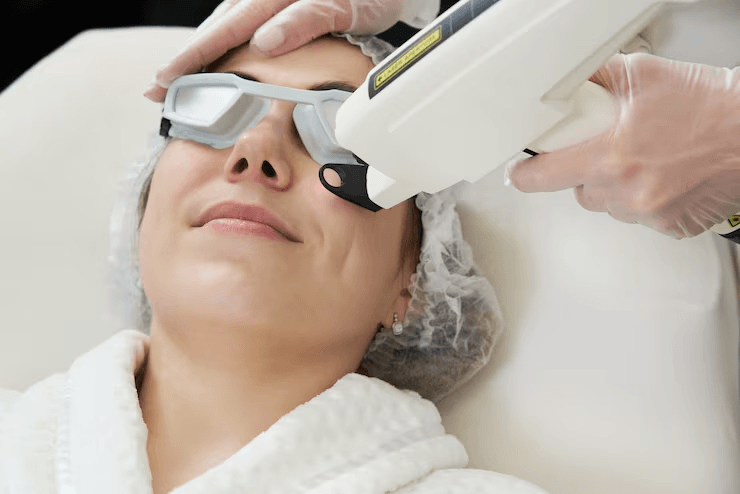
Achieving an even skin tone often requires professional intervention to address stubborn dark spots. While many people seek specialized aesthetic procedures like thread vein removal in Brighton to clear up vascular issues, laser therapy remains the gold standard for correcting dark patches. A successful hyperpigmentation laser treatment relies on careful preparation, the right technology, and diligent aftercare. Understanding how these elements work together ensures you get the best possible results from your sessions. This guide outlines five essential tips to maximize the efficacy of your laser sessions, helping you achieve a radiant, uniform complexion.
Understand Your Specific Skin Type and Laser Options
Not all lasers are created equal, and selecting the correct device is critical for safe and effective results. Different skin tones react differently to light energy. For instance, darker skin tones require longer wavelengths, such as Nd:YAG lasers, to bypass the melanin in the epidermis and target deeper pigment safely. Conversely, lighter skin tones might benefit from intense pulsed light (IPL) or picosecond lasers. When you consult with a dermatologist, they will assess your Fitzpatrick skin type to customize the hyperpigmentation laser treatment for your specific needs.
Many advanced aesthetic clinics use multi-platform systems. The same clinics that perform thread vein removal in Brighton often house these versatile laser technologies, as both vascular and pigment issues require precise wavelength control. During your consultation, ask about the specific laser the practitioner plans to use and their experience with your skin type. A customized approach minimizes the risk of post-inflammatory hyperpigmentation, which can occur if the laser settings are too aggressive for your skin profile. Always prioritize clinics that emphasize safety protocols and offer thorough pre-treatment assessments.
A patch test is a vital step in this process. Testing a small, inconspicuous area of skin beforehand allows the practitioner to observe how your melanin responds to the laser energy, ensuring optimal settings for the full session.
Prepare Your Skin Diligently Before Each Session
The success of your procedure begins weeks before you actually step into the clinic. Sun exposure is the primary enemy of laser therapies. Active tans, whether from the sun or tanning beds, increase the risk of blistering and scarring. You must apply a broad-spectrum sunscreen with an SPF of 30 or higher daily for at least four weeks leading up to your appointment.
Additionally, stop using strong active ingredients like retinoids, glycolic acid, and salicylic acid at least five to seven days before your session. These products sensitize the skin and can cause adverse reactions when combined with intense laser light. If you are dealing with other dermatological concerns, such as hair loss, you should coordinate your treatments. For example, individuals researching how to stop alopecia areata from spreading should ensure that any topical steroid creams or scalp treatments they use do not interfere with their facial laser appointments. Always disclose your full medical history and current topical medications to your practitioner. Keeping your skin calm, hydrated, and protected from UV rays before your appointment creates the ideal canvas for the laser to target pigment clusters without damaging the surrounding tissue.
Follow a Strict Post-Treatment Recovery Protocol
Immediately after your session, your skin will likely feel warm and look slightly red, resembling a mild sunburn. The treated dark spots may also darken or form thin crusts, which is a normal sign that the pigment is rising to the surface to shed. During this phase, gentle care is paramount. Use a mild, non-foaming cleanser and apply a generous layer of a soothing moisturizer containing ceramides or hyaluronic acid to support the skin barrier.
Do not pick, scratch, or scrub the treated areas, as physical manipulation can lead to scarring or secondary hyperpigmentation. Sun protection remains non-negotiable; apply mineral sunscreen diligently and wear a wide-brimmed hat when outdoors. Managing inflammation is key to healing. Just as patients seek medical advice on how to stop alopecia areata from spreading by reducing systemic and localized inflammation, laser patients must focus on keeping skin inflammation to an absolute minimum. Avoid hot showers, saunas, heavy workouts, and swimming pools for at least 48 hours post-treatment. Keeping the skin cool and hydrated accelerates the shedding of damaged pigment, revealing brighter, more even skin underneath. Additionally, avoid makeup for the first 24 hours to let the micro-channels created by the laser close naturally without risk of infection or irritation.
Combine Laser Therapy with Targeted Topical Agents
While laser sessions do the heavy lifting by breaking up deep melanin deposits, topical skincare products sustain and enhance these results. Once your skin has fully healed from the laser session—typically after seven to ten days—reintroduce active ingredients that inhibit pigment production. Tyrosinase inhibitors are particularly effective for this purpose. Ingredients such as vitamin C, kojic acid, azelaic acid, and licorice root extract help prevent new dark spots from forming.
Integrating these topicals ensures that the hyperpigmentation laser treatment yields long-lasting results rather than temporary improvement. If you manage multiple dermatological conditions simultaneously, consult your specialist about product compatibility. For instance, those managing scalp conditions and searching for how to stop alopecia areata from spreading should ensure their overall anti-inflammatory regimen is balanced. Some systemic anti-inflammatory supplements can benefit both skin healing and hair follicle health. Consistently applying a targeted serum in the morning under your sunscreen, combined with a gentle retinoid or pigment corrector at night, keeps cellular turnover active. This dual approach of internal laser disruption and external topical regulation prevents the recurrence of dark spots and maintains a luminous, even skin tone over time.
Maintain a Long-Term Preventive Skincare Plan
Hyperpigmentation is often a chronic condition that can return with subsequent sun exposure or hormonal fluctuations. Therefore, a single series of laser treatments is rarely a permanent cure without ongoing maintenance. Schedule periodic touch-up sessions to address any new pigment that rises to the surface over time.
To protect your investment, integrate preventive care into your daily routine. This includes wearing sun protection year-round, even on cloudy days and while indoors near windows. Many people who invest in high-quality aesthetic treatments, like thread vein removal in Brighton, understand that maintaining clear skin requires a holistic, ongoing commitment to skin health. Combining vascular care with pigment management creates a balanced, youthful appearance. Discuss a long-term maintenance schedule with your practitioner, which may include mild chemical peels or gentle laser toning sessions every six to twelve months. By treating your skin care as an ongoing journey rather than a one-time fix, you protect your skin from future damage and enjoy the lasting benefits of your aesthetic procedures. Additionally, support your skin from within by eating a diet rich in antioxidants, staying hydrated, and managing stress levels, which can influence hormone-driven pigmentation like melasma.
Conclusion
Achieving clear, radiant skin requires a strategic combination of advanced technology, careful preparation, and consistent daily maintenance. By choosing the right laser for your skin type, preparing your skin before sessions, following strict aftercare, utilizing targeted topicals, and committing to long-term prevention, you can dramatically improve the outcome of your laser therapy. Whether you are addressing sun damage, managing complex skin conditions, or coordinating other advanced skincare procedures, working closely with qualified professionals is key to safe and beautiful results. With patience and the right approach, you can successfully restore your complexion and enjoy healthy, glowing skin for years to come.