
Have you ever played a sports game where scoring a goal feels less like careful planning and more like surviving complete chaos? If so, you probably understand why physics-based games have carved out their own loyal audience. They are unpredictable, funny, and occasionally frustrating in the best possible way.
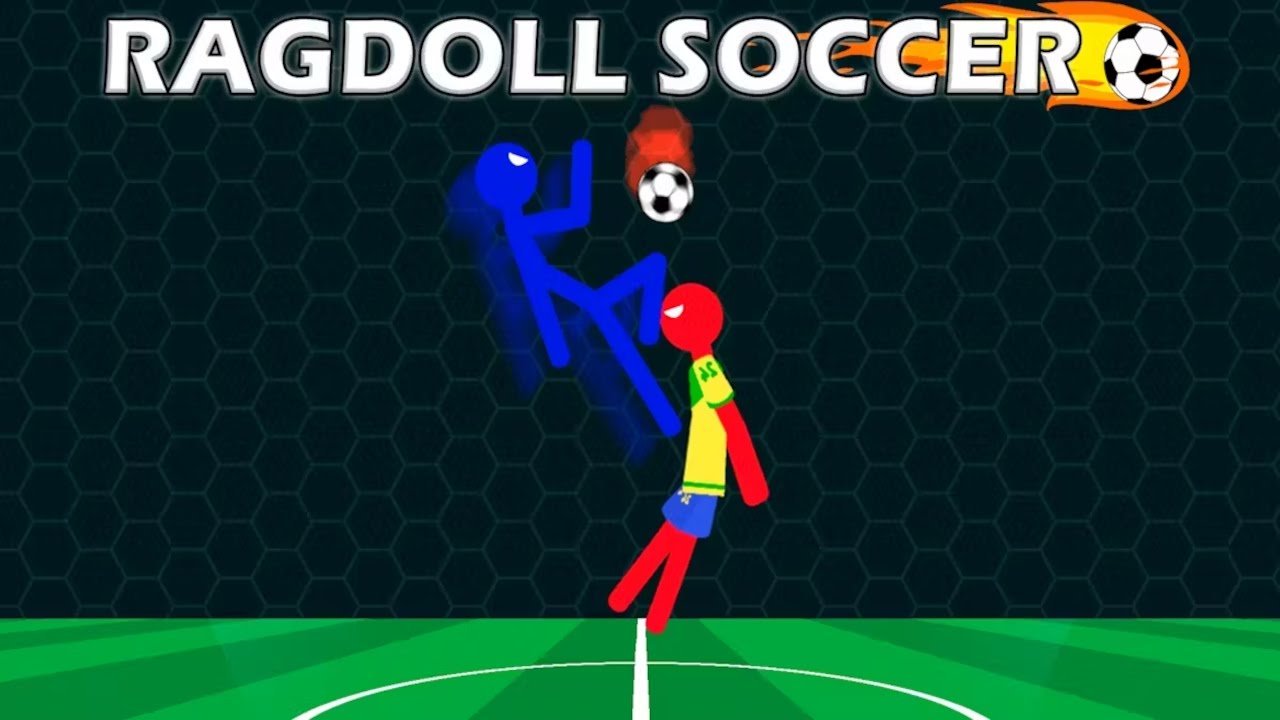
That is exactly what makes Ragdoll soccer so entertaining. Instead of controlling highly polished athletes with perfect dribbling skills, players command floppy, awkward characters that stumble, spin, and kick their way across the field. Sometimes your most spectacular goal happens entirely by accident, and oddly enough, that’s part of the magic.
Over the years, ragdoll-style games have grown increasingly popular among casual gamers, content creators, and competitive friends looking for something less serious than traditional football simulations. Ragdoll soccer captures that spirit perfectly by combining sports mechanics with exaggerated physics.
Whether you’re discovering the genre for the first time or you’re already a fan of unconventional sports games, there’s plenty to appreciate about this entertaining style of gameplay.
Understanding Ragdoll Soccer
At its simplest, Ragdoll soccer is a type of football game that uses ragdoll physics to control player movements.
Unlike realistic sports simulators, ragdoll games intentionally make movement difficult. Characters often have loose limbs, exaggerated momentum, and unpredictable reactions to collisions.
This creates a gameplay experience where balance becomes almost as important as strategy.
Players attempt to score goals while simultaneously trying not to fall over.
That sounds easy.
It usually isn’t.
Most ragdoll soccer games feature one-on-one matches, local multiplayer battles, or online competitions. The focus remains less on realism and more on creating entertaining moments.
The appeal largely comes from embracing chaos rather than fighting against it.
After all, not every football game needs to feel like a professional tournament.
Sometimes watching your character accidentally bicycle-kick themselves into their own goal is far more memorable.
How It Works: Key Concepts Behind Ragdoll Soccer
Physics engines are the heart of ragdoll soccer games.
Understanding how these systems work helps explain why matches become so unpredictable.
Character Movement
Traditional football games use precise animations.
Ragdoll soccer relies on physics simulations.
Players control jumping, moving, kicking, or rotating, but the character’s limbs respond naturally to gravity and momentum.
This creates awkward but hilarious movements.
A simple jump may become an accidental backflip.
A kick might send your character flying.
The unpredictability keeps players engaged.
Ball Interactions
Ball movement follows realistic physics calculations.
Powerful kicks increase speed.
Weak touches cause subtle changes.
Collisions with walls or players create unexpected rebounds.
Sometimes goals happen intentionally.
Other times, everyone involved seems equally surprised.
Multiplayer Dynamics
Ragdoll soccer truly shines when multiple players compete.
Friends laugh.
Rivals argue.
Spectators enjoy watching chaotic moments unfold.
Shared experiences become part of the fun.
Winning matters.
But honestly, embarrassing your opponent often feels just as satisfying.
Environmental Factors
Some ragdoll soccer games introduce unusual arenas.
Floating platforms.
Moving obstacles.
Low-gravity environments.
Slippery surfaces.
These elements add another layer of unpredictability.
Adaptability becomes essential.
Benefits, Importance, and Why It Matters
People sometimes dismiss physics-based games as simple distractions.
However, ragdoll soccer offers several benefits beyond basic entertainment.
Encourages Social Interaction
Competitive games bring people together.
Local multiplayer experiences remain valuable despite growing online gaming trends.
Friends gather around screens.
Family members participate.
Laughter fills the room.
These shared moments matter more than many people realize.
Reduces Competitive Pressure
Traditional football games can become stressful.
Skill gaps often discourage beginners.
Ragdoll soccer balances competition with randomness.
Experienced players still perform better.
But newcomers always have a chance.
Unexpected events level the playing field.
Improves Reaction Time
Players constantly respond to changing situations.
Falling opponents.
Unexpected rebounds.
Moving obstacles.
Quick decisions improve performance.
These skills naturally develop through repeated play.
Provides Stress Relief
Not every gaming session should involve intense focus.
Sometimes players simply want something amusing.
Ragdoll soccer delivers lighthearted entertainment.
Mistakes become funny stories rather than frustrating setbacks.
That distinction makes a difference.
Suitable for Various Age Groups
Many ragdoll games avoid graphic content.
Their cartoonish presentation appeals to younger audiences.
Adults appreciate the humor.
Children enjoy the simple controls.
Families often find common ground here.
Practical Uses, Examples, and Applications
Ragdoll soccer serves multiple purposes beyond casual gaming.
Family Game Nights
Families occasionally struggle to find games everyone enjoys.
Complex titles exclude younger participants.
Serious simulations discourage casual players.
Ragdoll soccer offers accessible competition.
Parents often discover they are surprisingly bad at it.
Children rarely let them forget.
Party Entertainment
Parties benefit from games requiring minimal explanation.
Ragdoll soccer fits perfectly.
New players understand objectives quickly.
Matches remain short.
Turn-taking becomes easy.
Competition stays friendly.
Mostly.
Streaming and Content Creation
Content creators appreciate games producing spontaneous reactions.
Viewers enjoy authenticity.
Unexpected victories.
Funny failures.
Absurd physics moments.
These experiences generate entertaining content.
Many successful gaming videos rely heavily on unpredictability.
Educational Break Activities
Teachers occasionally introduce recreational games during downtime.
Ragdoll soccer promotes coordination and reaction skills.
Students remain engaged.
Competition feels playful rather than overwhelming.
Team Building
Some workplaces organize casual gaming sessions.
Physics-based games reduce formal pressure.
Colleagues interact naturally.
Conversations become easier.
Shared laughter strengthens connections.
Tips, Strategies, and Best Practices
Although randomness influences outcomes, successful players develop effective habits.
Focus on Balance
Maintaining stability matters.
Aggressive movement increases mistakes.
Controlled positioning improves performance.
Patience frequently wins matches.
Learn Kick Timing
Timing impacts shot accuracy.
Rushing shots reduces effectiveness.
Waiting for favorable angles improves scoring opportunities.
Practice helps considerably.
Observe Opponent Behavior
Patterns emerge over time.
Some players jump excessively.
Others stay defensive.
Recognizing tendencies provides advantages.
Adapt strategies accordingly.
Use Momentum Wisely
Physics can work in your favor.
Rotating mid-air creates stronger kicks.
Controlled movement improves shot placement.
Experimentation reveals useful techniques.
Stay Calm
Panic leads to mistakes.
Unexpected situations occur constantly.
Accepting chaos helps maintain focus.
Frustration rarely improves results.
Common Mistakes or Misconceptions
Several misunderstandings surround ragdoll soccer.
Thinking It’s Pure Luck
Luck certainly plays a role.
However, skilled players consistently perform better.
Experience improves positioning.
Decision-making influences outcomes.
Practice matters.
Overcommitting to Attacks
Constant aggression leaves defenses exposed.
Balanced gameplay increases success rates.
Patience remains underrated.
Ignoring Physics
Momentum significantly affects movement.
Understanding weight distribution improves control.
Many beginners overlook this aspect.
Mistakes become inevitable.
Assuming Simplicity Means Boredom
Simple mechanics often create deeper experiences.
Unpredictability enhances replayability.
Matches rarely feel repetitive.
Ragdoll soccer demonstrates this perfectly.
Interesting Facts and Insights
1. Ragdoll Physics Originated Decades Ago
Physics simulations have existed in gaming for many years.
Developers continually improve realism.
2. Comedy Drives Popularity
Many players enjoy ragdoll games primarily because they are funny.
Humor remains a powerful motivator.
3. Multiplayer Enhances Enjoyment
Playing against friends significantly increases entertainment value.
Shared reactions matter.
4. Physics Create Endless Variety
No two matches unfold identically.
Unexpected moments keep players engaged.
5. Accessibility Supports Growth
Simple controls attract broader audiences.
Beginners participate confidently.
6. Content Creators Love Unpredictability
Funny clips spread quickly online.
Ragdoll soccer naturally generates memorable moments.
7. Casual Games Have Lasting Appeal
Complex games may dominate headlines.
Simple games often remain favorites for years.
FAQs
What is ragdoll soccer?
Ragdoll soccer is a football-style game that uses physics-based character movement to create humorous and unpredictable gameplay.
Is ragdoll soccer difficult to learn?
No. Most games feature straightforward controls that beginners can understand quickly.
Can ragdoll soccer be played with friends?
Yes. Many versions support local multiplayer and online competitions.
Why is ragdoll soccer so popular?
Players enjoy its chaotic physics, entertaining matches, and accessible gameplay.
Is ragdoll soccer suitable for children?
Generally, yes. Most games use cartoon-like visuals and family-friendly mechanics.
Conclusion
Ragdoll soccer proves that sports games do not need perfect realism to be entertaining. Sometimes awkward movements, accidental goals, and exaggerated physics create experiences that players remember far longer than polished simulations.
Its appeal lies in unpredictability. One moment you’re confidently preparing a game-winning shot. The next, your character tumbles backward while your opponent accidentally scores. Those unexpected moments are exactly what keep players returning for another match.
Whether you’re competing against friends, spending time with family, creating content for viewers, or simply looking for a fun way to unwind, ragdoll soccer offers an enjoyable blend of competition, humor, and controlled chaos. In an industry often focused on realism, it reminds us that gaming can still be wonderfully ridiculous—and that’s something worth celebrating.
Also read:Tube Jumpers: Why This Chaotic Multiplayer Game Still Delivers Endless Fun