
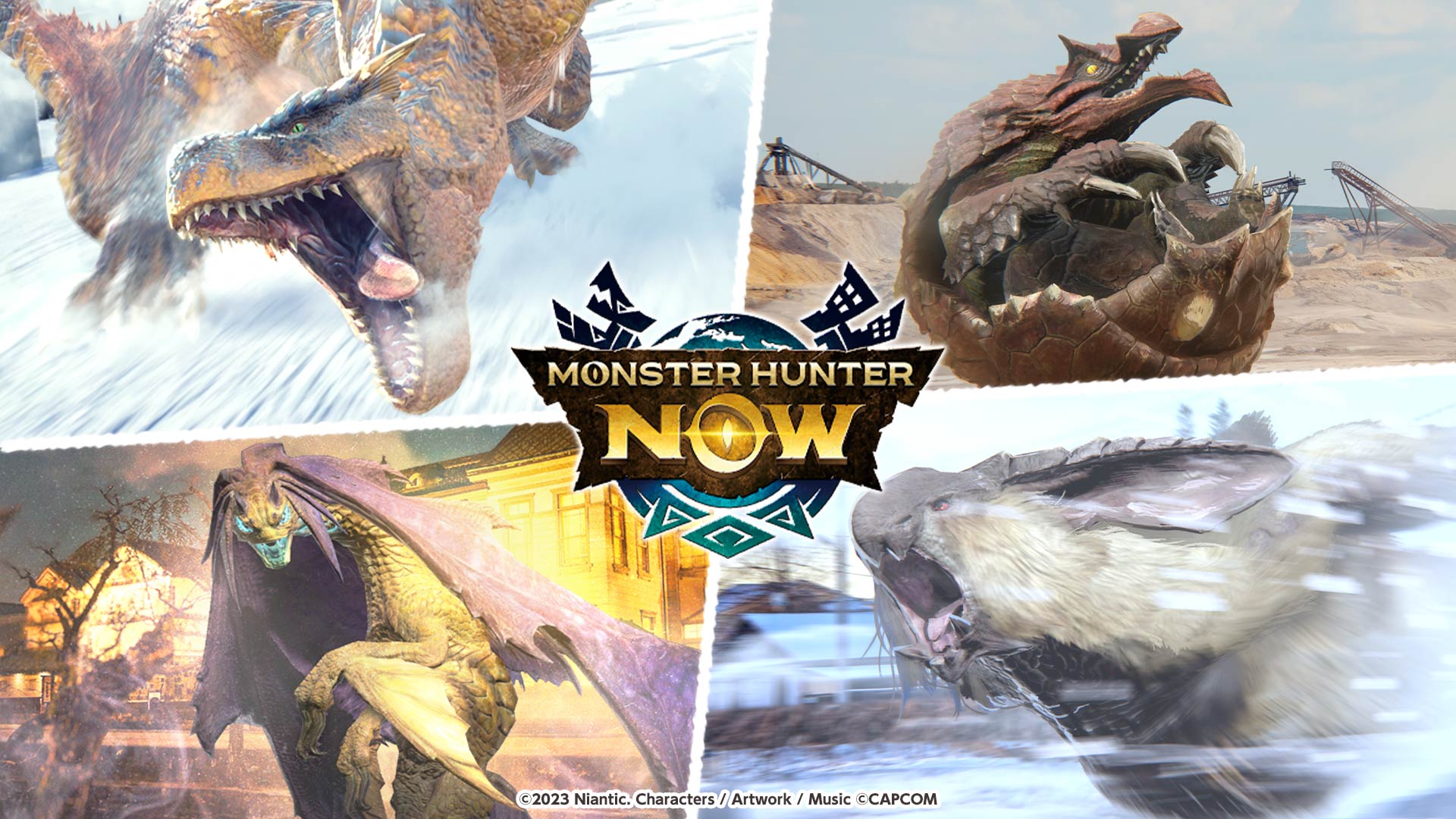
Mobile gaming has evolved far beyond quick distractions and idle tapping. In recent years, it has become a space where established franchises experiment with bold ideas, blending real-world movement with deep mechanics. Monster Hunter Now stands as one of the clearest examples of this shift, reimagining a beloved series through the lens of everyday exploration and personal activity.
Instead of placing players in a purely digital landscape, the game invites them to step outside, move through familiar streets, and encounter monsters woven into real locations. This approach transforms routine walks into purposeful journeys and reframes hunting as something integrated into daily life rather than confined to a console or PC.
From the start, the experience feels intentional. It respects the legacy of the franchise while acknowledging the limitations and strengths of mobile platforms. The result is a title that feels accessible without sacrificing identity, offering depth through design choices rather than sheer complexity.
Monster Hunter Now and the Philosophy of Mobile Hunting
The central idea behind Monster Hunter Now is simple but ambitious: bring the thrill of the hunt into the real world. Instead of sprawling maps loaded on a screen, players navigate their own neighborhoods, parks, and city centers. Familiar places become hunting grounds, and everyday movement becomes part of progression.
This philosophy reshapes how players interact with the game. Sessions are shorter, more frequent, and tied to physical presence. Rather than committing hours at once, players engage in bursts that fit naturally into daily routines. This design respects modern lifestyles while maintaining a sense of continuity.
A Different Kind of Immersion
Immersion here is not about photorealistic graphics alone. It comes from the feeling that the game exists alongside real life. Monsters appear during walks, materials are gathered on commutes, and progress feels connected to personal effort in a literal sense.
This blend of reality and fantasy creates a unique emotional response. The world feels closer, more immediate, and surprisingly personal.
Combat Designed for Touch and Timing
Combat remains the heart of the experience, but it has been carefully adapted for mobile play. Battles are designed to be fast, readable, and satisfying within short time frames. Touch controls emphasize timing and positioning rather than complex input combinations.
What makes Monster Hunter Now engaging is how it preserves tension. Even brief encounters demand attention. Players must learn attack patterns, manage stamina, and choose the right moment to strike or evade. Skill still matters, just expressed through streamlined mechanics.

Weapon Variety and Play Styles
Different weapon types encourage experimentation. Each offers a distinct rhythm, rewarding players who take time to understand its strengths. Some favor quick strikes and mobility, while others emphasize deliberate, high-impact attacks.
This variety ensures that combat does not feel repetitive. Even short sessions offer meaningful choices that shape how each hunt unfolds.
Progression Through Exploration
Progression is closely tied to movement. As players explore their surroundings, they unlock opportunities to hunt stronger monsters and gather rarer materials. This structure reinforces the connection between physical activity and in-game growth.
In Monster Hunter Now, advancement feels earned through consistency rather than grinding. Small efforts add up over time, creating a steady sense of momentum without demanding exhaustive play sessions.
Crafting and Long-Term Goals
Crafting remains a core pillar. Weapons and armor provide tangible goals that motivate continued play. Each upgrade represents a series of successful hunts, reinforcing the satisfaction loop that defines the franchise.
Long-term goals give direction. Players are not just wandering; they are working toward specific builds and strategies that reflect personal preferences.
Social Elements and Shared Space
Although the experience can be enjoyed solo, social elements add another layer. Shared locations and cooperative opportunities encourage players to view their environment as a communal space shaped by collective activity.
Seeing others participate subtly reinforces motivation. The world feels active, reminding players that they are part of a broader community engaging with the same challenges.
Cooperation Without Pressure
Cooperative play is designed to be flexible. Players can join forces without extensive coordination, making teamwork feel natural rather than burdensome. This approach suits mobile gaming, where spontaneity often matters more than long-term scheduling.
The result is a sense of shared adventure that enhances immersion without demanding constant collaboration.
Visual Design and Performance
Visually, the game balances clarity and style. Monsters are instantly recognizable, and animations communicate danger and opportunity clearly. The focus is on readability rather than overwhelming detail, which suits smaller screens.
Performance stability plays a crucial role. Smooth interactions and responsive feedback ensure that combat remains enjoyable even during brief sessions. This technical reliability supports the overall design philosophy.
Accessibility and Daily Engagement
One of the most impressive aspects of Monster Hunter Now is how it accommodates different play habits. Casual players can enjoy short hunts, while dedicated fans find depth through optimization and strategy.
Daily engagement feels rewarding rather than mandatory. The game encourages return visits without punishing absence, fostering a healthier relationship between player and platform.
Motivation Through Routine
By integrating with daily routines, the game creates a gentle sense of motivation. A walk becomes an opportunity, not an obligation. This subtle encouragement stands in contrast to more demanding mobile titles.
The design respects autonomy, allowing players to engage on their own terms.
Cultural Impact and Franchise Evolution
As part of a long-running franchise, Monster Hunter Now represents a meaningful evolution. It demonstrates how established series can adapt without losing identity. By embracing mobile constraints, the developers uncovered new ways to express familiar themes.
This approach may influence future projects, showing that innovation does not require abandoning tradition. Instead, it can emerge from thoughtful reinterpretation.
Conclusion
In the end, Monster Hunter Now succeeds because it understands its audience and its medium. It transforms everyday movement into meaningful play, offering a fresh perspective on hunting that feels both modern and respectful of its roots. By blending exploration, accessible combat, and steady progression, the game creates an experience that fits naturally into real life while preserving the excitement of the hunt. It stands as a reminder that when design aligns with intention, even familiar worlds can feel entirely new.
FAQs
What kind of game is Monster Hunter Now?
Monster Hunter Now is a mobile action game that combines real-world exploration with monster hunting, allowing players to fight creatures as they move through everyday locations.
Do I need to walk to play Monster Hunter Now?
Movement plays an important role, but the game is designed to fit naturally into daily routines, making short walks and casual play sessions rewarding.
Is Monster Hunter Now suitable for solo players?
Yes, the game can be enjoyed solo, with flexible options for cooperation that do not require constant teamwork or long planning.
How does combat work in Monster Hunter Now?
Combat is adapted for mobile devices, focusing on timing, positioning, and touch controls while keeping the core tension and strategy of the series.
Does Monster Hunter Now require long play sessions?
No, the game is built around short, frequent sessions, making it accessible for both casual players and dedicated fans.
Also read :Stellar Blade: A Striking Vision of Action, Identity, and Survival