
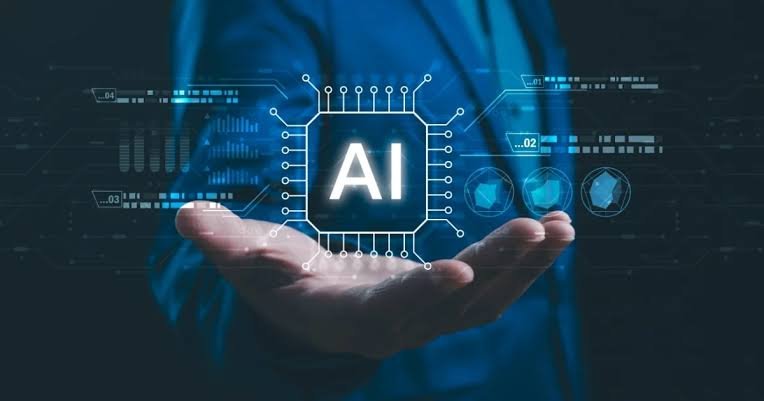
Digital visual media creation is undergoing a rapid technological transformation driven by multimodal artificial intelligence models. In recent years, creative workflows have shifted from manual frame-by-frame photo retouching to prompt-led visual generation and intelligent reference transformation. Modern creative teams, digital marketers, and independent developers increasingly rely on generative visual engines to convert abstract ideas into high-resolution, production-ready assets.
The primary technical bottleneck in early generative image models was maintaining fidelity across localized edits, preserving character identity, and correctly rendering complex embedded typography. Today, modern AI visual editing frameworks address these spatial consistency challenges by incorporating multimodal attention mechanisms and flexible text-to-image pipeline architectures.
Understanding Modern Multimodal Image Editing Architectures
At the structural level, modern visual generation architectures combine deep neural diffusion networks with visual-language alignment transformers. Rather than treating an input photograph as a static array of pixels, generative AI engines analyze spatial boundaries, lighting vectors, and semantic relationships between foreground subjects and background settings.
When creators utilize specialized platforms like the Nano Banana 2.5 image editor, they experience a streamlined workflow capable of interpreting natural-language instructions alongside complex visual references. This hybrid methodology allows digital creators to perform targeted regional modifications, such as adjusting background lighting or swapping object textures, while keeping the core identity of the primary subject completely intact.
Key Capabilities in Contemporary AI Visual Editing
The transition from legacy image manipulators to neural generative engines offers significant functional improvements across creative production pipelines. The matrix below details the structural enhancements observed in modern generative workflows:
| Feature Dimension | Traditional Photo Retouching | AI-Powered Generative Editing | Workflow Advantage |
| Modification Method | Manual layer masks, brushes, and selections | Natural-language prompts and reference files | Reduces editing time from hours to minutes. |
| Asset Consistency | High manual effort needed for matching scenes | Deep spatial reference matching across outputs | Maintains subject identity across multi-shot campaigns. |
| Embedded Typography | Manual vector text placement and rasterization | Native prompt-driven text rendering within scenes | Generates crisp headlines and labels directly in graphics. |
| Aspect Ratio Adaptability | Manual cropping and background cloning | Generative background extension and outpainting | Adapts single assets seamlessly for multi-platform distribution. |
Streamlining Content Production for Modern Digital Marketing
Digital marketing campaigns demand an unprecedented volume of fresh visual assets tailored across diverse social media platforms, web banners, and display advertisements. Traditional photoshoots often require extensive logistics, casting, studio booking, and post-production turnarounds that cannot keep pace with dynamic market trends.
AI-assisted visual editing platforms solve this speed-to-market challenge by allowing marketing teams to generate, adapt, and localize campaign imagery on demand. Marketers can quickly modify product placement surroundings, adjust seasonal color palettes, or translate embedded textual graphics for international audiences without rebuilding visual layouts from scratch.
Enhancing Precision and Control Through Prompt Engineering
Achieving predictable, production-grade outputs from generative AI systems relies heavily on structured prompt engineering and clear constraint definition. Rather than relying on vague stylistic adjectives, effective creative briefs specify exact spatial relationships, lighting sources, color palettes, and preserved elements.
By defining what must remain unchanged—such as facial features, brand logos, or product dimensions — creators can guide generative models toward highly accurate visual transformations while avoiding unwanted background distortion or identity drift.
Overcoming Common Technical Challenges in Generative Media
While AI image editing provides unmatched speed, creative professionals must monitor and resolve specific artifacts inherent to neural generation. Over-smoothing of skin textures, irregular background geometries, and misaligned lighting vectors represent common issues when applying aggressive generative adjustments.
Maintaining a balanced workflow involves comparing generated variations against original reference files to verify spatial coherence and anatomical accuracy. Furthermore, pairing generative workflows with dedicated post-processing tools ensures that final exports meet strict commercial broadcast and print quality standards.
Integrating Image Generation with Multi-Format Workflows
A significant advantage of modern AI design ecosystems is the seamless bridge between static graphics and dynamic media production. Once a visual concept is finalized within a prompt-driven image editor, creators can easily transition that asset into motion graphics and video editing pipelines.
Generative images serve as high-resolution storyboards, background matte paintings, or direct inputs for image-to-video generation engines. This multi-format flexibility ensures that a single creative concept can scale across static social posts, animated video ads, and interactive web experiences efficiently.
The Strategic Future of Generative Visual Media
As artificial intelligence architectures continue to mature, the boundary between image creation and image editing is rapidly disappearing. Future iterations of multimodal visual models will offer even finer granular control, enabling real-time local adjustments, instant 3D perspective manipulation, and perfect typographic rendering across multiple languages.
For creative professionals, embracing AI-driven editing tools represents an opportunity to automate tedious manual corrections, expand creative experimentation, and deliver visual content at commercial scale.
Frequently Asked Questions (FAQs)
What is an AI image editor and how does it differ from traditional software?
An AI image editor utilizes deep neural networks to interpret natural-language instructions and reference photos. Unlike traditional software that relies entirely on manual layer masking and pixel manipulation, AI editors generate or transform visual elements automatically while understanding spatial context and lighting.
How do reference images help maintain asset consistency?
Reference images provide structural, stylistic, or subject-specific guidance to the AI model. By uploading a reference photo along with a targeted prompt, the engine preserves key details—such as product shape, facial identity, or brand colors—while altering surrounding elements.
Can AI image editing tools render readable text inside visuals?
Yes, modern multimodal generative architectures are engineered to render clear typography directly within generated images. Creators can specify exact headlines, labels, and language treatments in their prompts for automated layout composition.
How can creators prevent AI generated images from looking unnatural?
Creators can maintain realism by using restrained prompts that specify precise lighting and spatial changes. Comparing outputs against original references helps catch unnatural smoothing or altered geometries before final export.
How do static AI images integrate into video production pipelines?
Finalized static visual assets can be exported directly into image-to-video generation engines or video editors. They serve as foundational frames, motion graphics layers, or storyboards for comprehensive multimedia campaigns.
Conclusion
The ongoing evolution of AI-driven image editing marks a pivotal milestone in digital media production. By combining prompt-based flexibility with precise reference control, contemporary multimodal architectures empower creators to overcome traditional production constraints.
As these intelligent creative tools continue to refine spatial consistency, typography, and multi-format integration, they solidify their role as an essential asset for modern marketing teams, designers, and visual storytellers worldwide.