

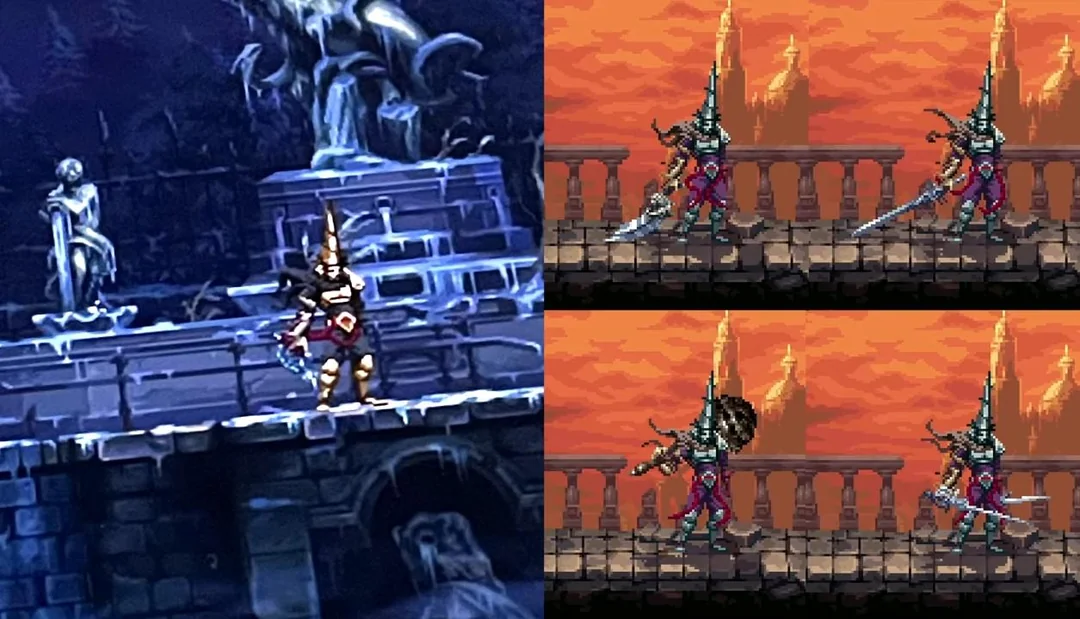
Have you ever played a game that felt both beautiful and unsettling at the same time? One that pulled you into its world not through cheerful characters or simple storytelling, but through mystery, symbolism, and a constant sense of wonder? That’s exactly the experience many players have when they step into the world of Blasphemous 2.
The original game built a loyal fanbase thanks to its unique blend of challenging combat, gothic art, and deeply layered lore. When the sequel arrived, expectations were naturally high. Fortunately, it didn’t just repeat what worked before—it expanded upon it in meaningful ways.
Whether you’re a longtime fan of the series or someone curious about what all the excitement is about, this guide will walk you through everything you need to know. From gameplay mechanics and story concepts to useful strategies and fascinating details, there’s plenty to explore.
Understanding Blasphemous 2
What Is Blasphemous 2?
Blasphemous 2 is a dark action-platformer developed by The Game Kitchen. It belongs to the Metroidvania genre, meaning players explore interconnected environments, unlock new abilities, and revisit previous locations to access areas that were once unreachable.
The game continues the journey of the Penitent One, a silent warrior caught in a world shaped by religious symbolism, suffering, and supernatural events. While the story follows the original title, newcomers can still enjoy the experience thanks to the game’s ability to introduce its themes naturally.
What makes the game stand out isn’t just its combat or exploration. It’s the atmosphere. Every area feels handcrafted, with detailed pixel art, haunting music, and a world that constantly raises questions about faith, destiny, and redemption.
A World Unlike Most Games
Many fantasy games rely on dragons, elves, or traditional magic systems. This game takes a very different approach.
Its world is inspired by religious imagery, medieval architecture, and folklore. The result is a setting that feels unique and memorable. Characters often speak in poetic language, and every location tells its own story through visual design alone.
You don’t simply play through levels—you uncover mysteries.
How It Works: Key Concepts and Gameplay Systems
Exploration and Progression
At its core, the game revolves around exploration.
Players travel through various regions connected by hidden pathways, secret chambers, and challenging platforming sections. New abilities gradually unlock access to previously inaccessible areas.
This design encourages curiosity.
Instead of following a straight path, players are rewarded for investigating corners, revisiting locations, and paying attention to environmental clues.
Three Distinct Weapons
One of the biggest changes from the original game is the introduction of multiple weapons.
Each weapon serves a different purpose:
Ruego Al Alba
This balanced sword offers versatility and reliable damage. It’s often considered the most familiar option for players who enjoyed traditional melee combat.
Veredicto
A massive flail-like weapon that delivers devastating attacks. While slower, its power can quickly overwhelm enemies.
Sarmiento and Centella
These dual blades prioritize speed and agility. Skilled players can unleash rapid combos and maintain constant pressure during battles.
Switching between weapons creates strategic depth. Certain enemies and obstacles may be easier to handle with a specific tool.
Combat Mechanics
Combat remains a major focus.
Enemies attack aggressively and often punish careless behavior. Success depends on timing, positioning, and understanding enemy patterns.
Players can:
- Dodge incoming attacks
- Parry enemy strikes
- Execute powerful special abilities
- Chain weapon combinations
- Use magical attacks
The combat feels rewarding because victories are earned rather than given.
Character Upgrades
As players progress, they gain access to various upgrades.
These enhancements can improve:
- Health
- Damage output
- Magical abilities
- Resource management
- Special skills
Customization allows different playstyles to flourish. Some players prefer aggressive combat, while others focus on survivability and exploration.
Benefits, Importance, and Why It Matters
A Strong Example of Modern Metroidvania Design
The gaming industry has seen a resurgence of Metroidvania titles in recent years. Yet only a few manage to leave a lasting impression.
This game succeeds because it combines classic exploration with modern design principles. It respects players’ intelligence without becoming unnecessarily confusing.
Rich Storytelling Through Atmosphere
Not every story needs lengthy cutscenes.
One of the greatest strengths of Blasphemous 2 is how it tells stories through environments, character designs, and subtle details.
Players often find themselves piecing together lore independently, which creates a stronger connection to the world.
Exceptional Artistic Direction
Pixel art has become increasingly popular, but not all pixel art is created equal.
The visual presentation here is remarkable. Every boss, village, and ruined cathedral feels handcrafted with extraordinary attention to detail.
Even players who aren’t normally interested in the genre frequently praise the game’s artistic quality.
Meaningful Challenge
There’s something satisfying about overcoming a difficult encounter after several failed attempts.
The challenge level encourages learning and improvement rather than simple frustration. When players finally defeat a powerful boss, the accomplishment feels genuine.
Practical Uses, Examples, and Applications
Learning Pattern Recognition
Boss battles often require careful observation.
Players must identify attack sequences, recognize visual cues, and react appropriately. This process strengthens pattern recognition skills and encourages patience.
Improving Problem-Solving Abilities
Exploration frequently involves puzzles, hidden pathways, and environmental challenges.
Progress often depends on connecting clues and thinking creatively rather than simply following directions.
Developing Persistence
Some encounters are demanding.
Repeated attempts teach perseverance and adaptability. Instead of quitting after failure, players gradually improve their strategies until success becomes achievable.
Community Discussions and Theory Crafting
The game’s lore inspires countless discussions among fans.
Players enjoy sharing theories, interpreting symbolism, and debating hidden meanings. This community engagement adds another layer of enjoyment beyond gameplay itself.
Tips, Strategies, and Best Practices
Experiment With Every Weapon
Many players choose a favorite weapon early and rarely switch.
However, each weapon offers unique advantages. Taking time to learn all three dramatically improves flexibility during combat and exploration.
Explore Thoroughly
Rushing through the main path often leads to missed upgrades and secrets.
Check side routes whenever possible. Hidden rewards frequently make future challenges easier.
Learn Enemy Patterns
Success isn’t about attacking nonstop.
Watch how enemies behave. Understanding their movement and attack timing often matters more than raw damage output.
Upgrade Strategically
Avoid spending resources randomly.
Focus on upgrades that support your preferred playstyle. A carefully planned build usually performs better than a scattered approach.
Be Patient During Boss Battles
Bosses are designed to test observation and discipline.
Rather than attacking constantly, wait for openings and punish mistakes. Patience usually wins difficult fights.
Revisit Earlier Areas
New abilities often reveal opportunities in previous regions.
Returning to older locations can uncover hidden items, upgrades, and lore elements that were impossible to reach before.
Common Mistakes or Misconceptions
Assuming It’s Just Another Action Game
Some players expect a straightforward combat experience.
In reality, exploration and storytelling are equally important. Ignoring those aspects means missing a large part of what makes the game special.
Relying on One Weapon Exclusively
Each weapon has strengths and weaknesses.
Refusing to experiment can make certain encounters unnecessarily difficult.
Skipping Dialogue
The narrative isn’t always obvious.
Important lore details are often hidden within conversations. Skipping dialogue can leave players confused about key story developments.
Expecting Constant Guidance
The game respects player independence.
Objectives aren’t always clearly marked, and exploration sometimes requires experimentation. This design choice is intentional rather than a flaw.
Underestimating Defensive Play
Aggressive strategies can work, but defensive techniques matter just as much.
Dodging and parrying effectively often determines success in tougher battles.
Interesting Facts and Insights
1. The Game Uses Handcrafted Pixel Art
Every major environment and character is carefully designed, contributing to the game’s distinctive visual identity.
2. Religious Symbolism Is Deeply Embedded
The world draws inspiration from various cultural and religious themes, creating a setting unlike most fantasy games.
3. Multiple Weapons Change Gameplay Significantly
Unlike the original title’s primary weapon approach, the sequel introduces more combat variety.
4. Exploration Plays a Central Role
Many upgrades and secrets remain hidden unless players actively search for them.
5. Boss Designs Are Highly Memorable
Several bosses combine striking visual design with challenging mechanics, making them standout moments in the adventure.
6. The Soundtrack Enhances the Atmosphere
Music plays a crucial role in creating tension, mystery, and emotional impact throughout the journey.
7. New Players Can Still Enjoy It
While knowledge of the first game helps, the sequel remains approachable for newcomers willing to immerse themselves in its world.
FAQs
Is Blasphemous 2 a direct sequel to the first game?
Yes. The story continues after the events of the original game, though new players can still follow the narrative with some attention to the lore.
How difficult is Blasphemous 2?
The game offers a challenging experience, especially during boss encounters. However, it is generally considered fair because success depends on learning mechanics and enemy patterns.
How long does it take to complete the game?
A typical playthrough can take around 20 to 30 hours, depending on exploration habits and completion goals.
Do I need to play the first game before starting?
Not necessarily. Playing the original provides additional context, but the sequel is designed in a way that allows newcomers to enjoy the experience.
What makes Blasphemous 2 different from other Metroidvania games?
Its unique religious-inspired setting, stunning pixel art, atmospheric storytelling, and weapon variety help distinguish it from many other titles in the genre.
Conclusion
Blasphemous 2 is more than just a sequel. It’s a carefully crafted adventure that builds upon the strengths of its predecessor while introducing meaningful improvements. From its haunting world and rewarding exploration to its challenging combat and unforgettable artistic direction, the game offers an experience that stays with players long after the credits roll.
What truly makes it special is the way it blends challenge, mystery, and atmosphere into something uniquely its own. Every hidden corridor, cryptic conversation, and intense boss battle contributes to a world that feels alive with history and meaning.
For fans of exploration-driven action games, it’s an easy recommendation. And for anyone looking for a dark, memorable journey filled with discovery and intrigue, this remarkable title is well worth experiencing.
Also read: Nitro Deck: The Handheld Gaming Upgrade That Changed How Players Experience Nintendo Switch