


The Cultural Legacy of Wii Sports
When people look back on the history of interactive entertainment, few titles shine as brightly as Wii Sports. It was more than a collection of games; it was a cultural moment that changed how families, friends, and even people who had never touched a controller experienced play. By embracing simple movements, intuitive design, and joyful competition, the game bridged generations and connected millions around the world.
The brilliance of the title was not in complex mechanics or cinematic storytelling. Instead, its magic came from how naturally people could pick up a controller and join in. Whether swinging a virtual tennis racket, rolling a bowling ball, or practicing golf, players found themselves immersed without feeling overwhelmed. The experience was familiar yet new, nostalgic yet innovative.
As living rooms filled with laughter and friendly challenges, a new chapter in social gaming began. The title became a symbol of connection, often serving as the entry point for grandparents, young children, and everyone in between. Even those who never considered themselves “gamers” discovered confidence and excitement in activities they could instantly understand.
How Wii Sports Redefined Social Play
Long before motion-controlled gaming became a trend, the title introduced a ground-breaking idea: games should react to natural movements. This simple concept turned entertainment into an active experience. Players stood up, moved their arms, shifted their balance, and felt physically involved in every moment.
This involvement sparked a unique kind of engagement. Instead of relying on button sequences or memorized patterns, players succeeded through instinct and coordination. Friends competed, families bonded, and novices learned by doing. The accessibility opened a door that had previously been closed to many.
Even the design of the environments supported this welcoming approach. Clean visuals, cheerful music, and responsive feedback combined to create a warm, inviting atmosphere. Each sport encouraged practice without pressure, allowing players to find rhythm and improve organically. The game respected all skill levels, offering both fun and growth.
The global success of Wii Sports was built on its instinctive approach to gaming, its joyful spirit, and its ability to bring people together in ways that felt natural, welcoming, and memorable.
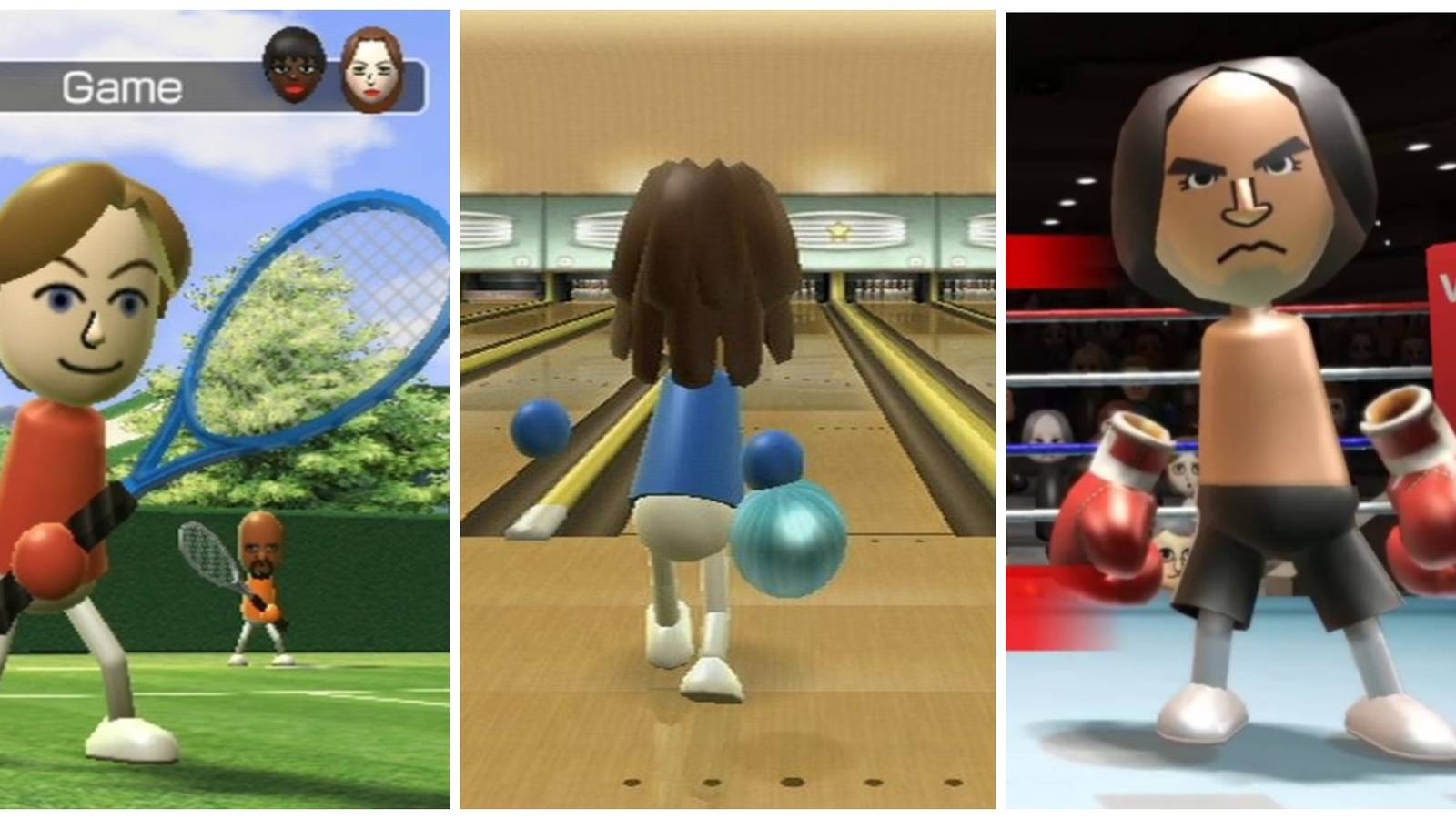
A New Kind of Interaction
One of the defining features of the game was its intuitive use of motion. The controller became an extension of the player’s body, translating small movements into precise actions. Whether aiming for a strike in bowling or lining up a swing in baseball, every gesture felt immediate and personal.
This shift in interaction expanded the meaning of play. Physicality brought energy to living rooms, transforming quiet spaces into lively mini-arenas. The boundary between virtual and real blurred, and the idea of gaming evolved from passive viewing to active participation.
The emphasis on movement also changed how people approached competition. Instead of focusing solely on strategy, success often depended on timing, consistency, and perception. This balance kept matches exciting, fostering a sense of unpredictability that encouraged spontaneous rematches and extended play sessions.
Why the Game Remains Beloved
The appeal of the title endures because of its simplicity and charm. Its mechanics remain engaging even years later, proving that good design transcends technological limitations. The game did not rely on realism to feel authentic. Instead, it captured the essence of each sport through satisfying motion and responsive feedback.
Bowling offered controlled precision. Tennis delivered fluid back-and-forth rallies. Boxing allowed players to test coordination and endurance. Golf rewarded patience and subtlety. Baseball blended anticipation with timing. Each activity offered something unique while remaining approachable.
This variety kept the game fresh and ensured that players with different preferences found a favorite. The mix created an environment where everyone could join without feeling overshadowed. It encouraged friendly competition, personal improvement, and shared memories.
The Emotional Experience of Play
The emotional resonance of the game cannot be overstated. For many, it represents time spent with loved ones, holiday gatherings, or relaxed evenings full of fun. Its charm stems from the emotions it evokes—excitement when hitting a perfect shot, laughter during clumsy swings, pride in mastering a sport, and joy in shared victories.
The game also supported personal achievements. Players often practiced alone, challenging themselves to improve their techniques or reach higher skill levels. These quiet moments of dedication created a sense of ownership over progress, making successes even more rewarding.
The soundtrack contributed to its heartwarming tone. Soft melodies during skill challenges, energetic tracks during matches, and triumphant cues after perfect performances created an atmosphere that encouraged players to immerse themselves fully.
How Simplicity Became a Strength
In an era when many games sought complexity, this title thrived through minimalism. It showed that thoughtful design can be deeply impactful even without intricate systems or extensive content. The sports were distilled into their most enjoyable elements, avoiding unnecessary complications.
The simplicity also allowed the game to be learned quickly, even by those unfamiliar with gaming conventions. The absence of overwhelming menus or complicated rules ensured that the focus remained on play, connection, and enjoyment.
This design philosophy influenced future titles and proved that accessibility does not diminish depth. Instead, it expands the audience and enhances longevity. The game demonstrated that sometimes the most powerful experiences arise from the most straightforward concepts.
The Rise of Active Gaming
The title played a pivotal role in expanding the concept of active gaming. By encouraging movement, it fostered a form of engagement that appealed to players who preferred physical activity to sitting still. This shift opened doors for fitness-based games and exercise routines built around motion controls.
People found joy in competing while moving, stretching, and even working up a light sweat. The game inspired numerous households to incorporate gaming into everyday routines as a fun activity that blended play with gentle exercise.
Its influence extended to rehabilitation centers, senior living facilities, and schools. Physical therapists discovered that certain movements in the game supported coordination and mobility training. Educators used it to promote activity and collaboration. These applications showed how the game connected entertainment with wellness in unexpected ways.
A Game That Welcomed Every Generation
One of the most remarkable aspects of the title was its universal appeal. Children, parents, and grandparents played together with equal enjoyment. The intuitive controls removed barriers of age and experience, creating a shared space where everyone could participate.
The game became a staple during celebrations, family gatherings, and social evenings. It invited conversations, friendly rivalries, and supportive encouragement. The characters, simple yet expressive, enhanced this universal charm. Their playful appearance made the experience feel warm and accessible.
This multigenerational connection is rare in entertainment. The game served as a bridge between generations, demonstrating that play is not confined to age or technical skill. Instead, it thrives in moments of shared enthusiasm and mutual discovery.
Sport by Sport: What Made Each Activity Memorable
Bowling
Bowling quickly became one of the most iconic elements of the game. The mechanic was easy to understand yet rewarding to master. Players discovered techniques for curving shots, adjusting power, and controlling release angles. A strike felt exhilarating, while near-misses encouraged just one more attempt.
Tennis
Tennis offered fast-paced rallies and responsive gameplay. Timing and motion determined the power and direction of each shot. Doubles matches brought lively teamwork, communication, and plenty of laughter.
Baseball
Baseball blended patience with precision. Batting required timing and awareness, while pitching demanded subtle control. The simplicity of the mechanics kept matches engaging and unpredictable.
Golf
Golf emphasized calm focus. Players learned to read wind, adjust strength, and approach each shot with care. The pacing made it one of the most relaxing modes, ideal for thoughtful gameplay.
Boxing
Boxing delivered intensity. It required coordination between punches and defensive movements. The physical engagement made each match exciting, encouraging players to stay active and mindful.
The Lasting Influence on Game Design
The impact of the title continues to shape modern game development. Its emphasis on motion, accessibility, and shared experiences remains a guiding example for studios seeking to reach broader audiences. Games inspired by it continue to explore physical interactivity, cooperative play, and intuitive design.
Its influence can also be seen in how developers think about onboarding players. The smooth learning curve and welcoming presentation have become benchmarks for user-friendly design. The success of the title reinforced the importance of first impressions and the value of making players feel capable right from the start.
Why Wii Sports Still Matters Today
Years after its release, the game remains an enduring symbol of joy, playfulness, and unity. It represents a time when technology brought people together rather than isolating them. Its design encouraged movement, laughter, and connection in a way few titles have matched.
Even now, households around the world revisit it during gatherings and nostalgic moments. The excitement never fully fades—the satisfying thud of a bowling strike, the thrill of a tennis rally, the anticipation of lining up a golf shot. These sensations remain fresh because the design captures the essence of fun.
The game also stands as a reminder that innovation doesn’t require complexity. Thoughtful ideas, executed with sincerity, can resonate for generations. The title achieved this by focusing on movement, emotion, and shared experience.
Conclusion
The legacy of Wii Sports is one of joy, simplicity, and togetherness. It transformed living rooms into energetic sporting arenas, brought generations closer, and showed that anyone can participate in play. Its influence continues to inspire new forms of interactive entertainment, proving that the heart of a great game lies not in complexity but in connection. By embracing movement and community, it created memories that endure—reminding us that some games become timeless not because of technology, but because of how they make people feel.
FAQs
Why did Wii Sports become so popular?
It became a global hit because its motion controls were easy to learn, making it accessible to all ages and experience levels. People quickly connected with its joyful, intuitive gameplay.
Which sport in Wii Sports is considered the most iconic?
Bowling is often viewed as the standout because of its simple mechanics and highly satisfying gameplay. It became a favorite in homes, gatherings, and even community centers.
Can Wii Sports be enjoyed by players who aren’t familiar with video games?
Yes. One of its greatest strengths is its accessibility. Even people who rarely play games can pick it up instantly and enjoy competing or practicing at their own pace.
How did Wii Sports influence future video games?
It inspired developers to pursue more motion-based mechanics and emphasized creating games that invite social interaction, fitness elements, and intuitive learning curves.
Why is Wii Sports still remembered fondly today?
Its blend of simplicity, charm, and shared experiences created lasting memories. The game became a symbol of connection, fun, and easygoing competition that families and friends still celebrate.
Also read :Mario Party: A Celebration of Strategy, Chance, and Unforgettable Fun