
When Blizzard introduced the next chapter of its hero-based shooter, expectations were enormous. The original game had reshaped competitive multiplayer by blending fast action, stylized heroes, and team-focused design. With overwatch 2, the challenge was not only to innovate, but to do so without losing the spirit that made the franchise resonate with millions of players worldwide.
This evolution is not defined by a single feature or mode. Instead, it reflects a broader shift in philosophy, pacing, and how players experience teamwork, identity, and progression in a modern online game.
The Evolution of overwatch 2 and Its Core Vision
From its earliest reveal, overwatch 2 signaled a desire to rethink how a team shooter functions moment to moment. The most noticeable change was the move toward smaller team sizes, a decision that altered the flow of matches in profound ways. With fewer players on each side, individual impact became clearer, positioning mattered more, and engagements felt sharper.
This shift encouraged more deliberate decision-making. Players could no longer hide behind layers of shields or rely on chaos to mask mistakes. Every action carried weight, reinforcing the idea that teamwork is not about numbers, but about coordination and awareness.
A Faster, More Focused Pace
Reducing team size naturally increased tempo. Fights resolve more quickly, and momentum swings are more noticeable. This design choice rewards adaptability and quick thinking, pushing players to read situations in real time rather than rely on rehearsed patterns.
The result is a game that feels more fluid and responsive, where each role has clearer responsibilities and greater room to shine.
Heroes Reimagined for a New Era
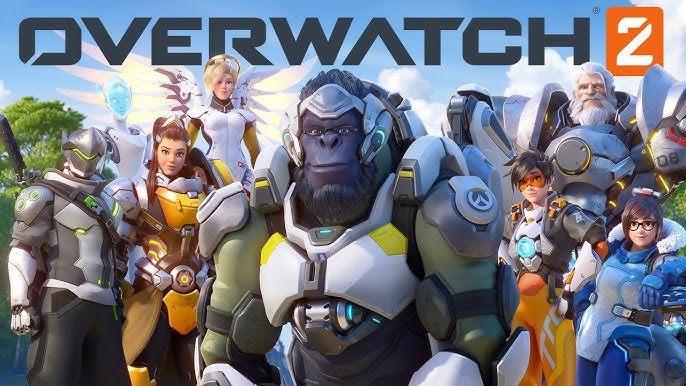
The heart of the experience remains its diverse roster of heroes. Each character brings a unique playstyle, personality, and narrative flavor. In this sequel, existing heroes received reworks that refined their identities while maintaining familiarity.
Abilities were adjusted to emphasize skill expression. Defensive characters became more proactive, damage-focused heroes gained tools for survivability, and support roles were given greater agency in combat situations. These changes aimed to reduce frustration while preserving depth.
New Faces and Expanding Lore
New heroes introduced fresh mechanics and cultural influences, expanding the universe in meaningful ways. Their designs reflect a careful balance between accessibility and mastery, ensuring that newcomers can contribute while experienced players discover layers of nuance.
These additions also deepen the game’s narrative fabric, hinting at a broader world shaped by conflict, cooperation, and evolving alliances.
The Role System and Team Dynamics
One of the defining aspects of overwatch 2 is how it recontextualizes team roles. Tanks are no longer just damage sponges; they are space creators, shaping the battlefield through presence and pressure. Damage heroes focus on precision and timing rather than raw output alone. Support players balance healing with offensive and utility tools that can turn fights.
This clearer separation of responsibilities enhances teamwork. Players understand their purpose within a match, reducing confusion and improving coordination even among strangers.
Communication Without Words
Interestingly, the refined role design reduces reliance on constant voice communication. Visual cues, sound design, and intuitive ability feedback allow teams to sync up naturally. This subtle accessibility improvement makes the game more welcoming without simplifying its core mechanics.
Map Design and Environmental Storytelling
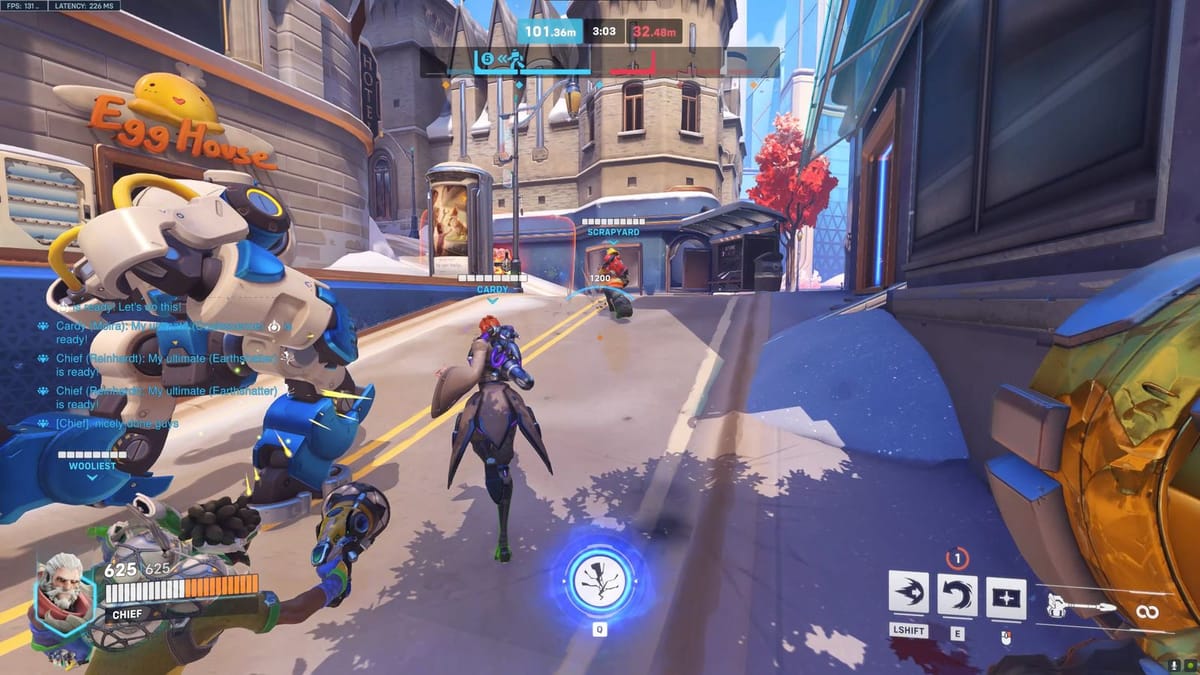
Maps play a crucial role in shaping gameplay rhythm. In this iteration, environments are built to support faster engagements and clearer sightlines. Flanking routes exist, but they are more readable, encouraging strategic movement rather than guesswork.
Each map tells a story through architecture, lighting, and ambient details. Urban centers feel alive, industrial zones convey tension, and open landscapes create space for tactical creativity. These settings do more than host battles; they immerse players in a world that feels cohesive and intentional.
Objectives That Encourage Momentum
Objective design favors forward motion. Whether pushing, capturing, or escorting, players are encouraged to stay engaged rather than stall. This approach minimizes downtime and keeps matches feeling purposeful from start to finish.
Competitive Play and Player Progression
Competitive modes are where overwatch 2 truly tests its systems. Ranking structures were refined to offer clearer feedback, helping players understand their growth and areas for improvement. Transparency in progression reduces frustration and fosters a healthier competitive mindset.
Skill expression is more visible now. Strong positioning, smart ability usage, and timing are easier to recognize, both for players and spectators. This clarity benefits not only competitive participants but also those who enjoy watching high-level play.
A Rewarding Sense of Graowth
Progression extends beyond rank. Unlockables, customization options, and performance-based rewards create a sense of ownership over one’s journey. Players feel acknowledged for improvement, not just time invested.
Visual Identity and Audio Design
The visual style remains instantly recognizable, but it has been refined with improved lighting, sharper textures, and more expressive animations. These enhancements serve gameplay by making critical information easier to read during fast-paced encounters.
Sound design plays an equally important role. Audio cues communicate danger, opportunity, and momentum. From ability activations to environmental effects, sound guides player decisions in subtle yet powerful ways.
Clarity Over Spectacle
While visually striking, effects are carefully tuned to avoid clutter. This commitment to clarity ensures that spectacle never undermines gameplay, a crucial balance in competitive environments.
Accessibility and Player Inclusion
Modern multiplayer games must serve a diverse audience, and overwatch 2 takes meaningful steps in this direction. Adjustable settings, clearer tutorials, and improved onboarding help new players find their footing without overwhelming them.
At the same time, depth remains intact. Advanced mechanics are not removed, but layered in ways that reward curiosity and practice. This dual approach broadens the player base while respecting veterans.
Community, Culture, and Shared Identity
Few games foster community as strongly as this franchise. Fan art, discussions, and shared experiences continue to thrive, fueled by a roster that encourages personal connection. Players often identify strongly with their chosen heroes, finding aspects of themselves reflected in abilities, personalities, or stories.
The sequel builds on this foundation by encouraging positive interaction. Systems that highlight teamwork and reduce blame help create a more supportive atmosphere, even in competitive settings.
Evolving With Its Players
Ongoing updates and balance changes reflect an ongoing dialogue between developers and the community. This responsiveness signals a commitment to growth rather than stagnation, ensuring that the game evolves alongside its audience.
The Broader Impact of overwatch 2 on the Genre
The influence of overwatch 2 extends beyond its own player base. Its design choices contribute to broader conversations about team size, role clarity, and how competitive games can remain accessible without sacrificing depth.
By emphasizing intentional play and readability, it offers a blueprint for future multiplayer titles seeking longevity in an increasingly crowded market.
A Living Game With a Clear Direction
What defines this experience is not a single mechanic, but a cohesive vision. Every system, from hero abilities to map layouts, reinforces the same goals: clarity, agency, and meaningful teamwork. This alignment creates a game that feels confident in its identity.
Players are invited not just to compete, but to learn, adapt, and express themselves within a structured yet flexible framework.
Conclusion
In the end, overwatch 2 represents a thoughtful evolution rather than a radical departure. It refines what worked, challenges what didn’t, and embraces change without forgetting its roots. The result is a team shooter that feels both familiar and refreshed, offering depth for veterans and accessibility for newcomers.
Its lasting success will depend on continued care and community engagement, but its foundation is strong. By prioritizing clarity, creativity, and cooperation, it stands as a compelling example of how a beloved franchise can grow while staying true to itself.
FAQs
What makes overwatch 2 different from the original game?
The sequel focuses on smaller team sizes, clearer roles, and faster gameplay, giving individual decisions more impact while preserving the core team-based identity.
Is overwatch 2 suitable for new players?
Yes, the game offers improved onboarding, clearer visual and audio cues, and accessible mechanics that help newcomers learn without removing depth for experienced players.
How have heroes changed in overwatch 2?
Many heroes were reworked to feel more active and balanced, with tanks becoming space-makers, supports gaining more agency, and damage heroes emphasizing precision.
Does overwatch 2 still emphasize teamwork?
Teamwork remains central, but it is now more intentional, relying on positioning, timing, and role synergy rather than sheer numbers or defensive stacking.
Why is overwatch 2 important for the shooter genre?
It demonstrates how a long-running multiplayer game can evolve by improving clarity, pacing, and player agency while maintaining competitive depth and community appeal.
Also read :LEGO Games as More Than Fun: Creativity, Humor, and Storytelling