

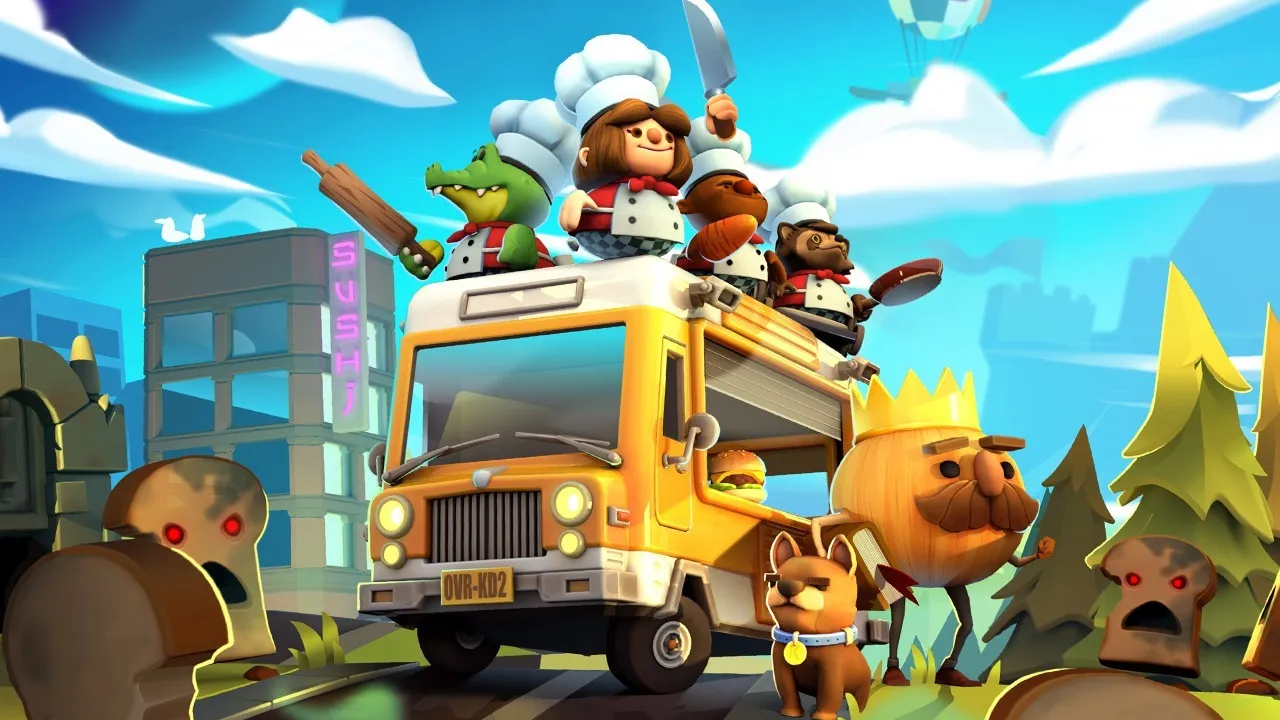
The joy of playing a game together often comes from the moments that catch everyone off guard—times of pure chaos, unexpected teamwork, and shared laughter. Few games capture this spirit as perfectly as Overcooked 2, a title that turned simple kitchen tasks into a lively, emotional storm of cooperation. What makes this game stand out is not just its frantic pace but the way it brings people closer, requiring communication, patience, and a sense of humor.
From the moment the first order ticket appears to the last frantic dash to the serving window, players quickly realize that this game is about far more than slicing vegetables and boiling pasta. It is about rhythm, timing, and the way individuals naturally fall into unspoken roles. In an era full of complex gaming experiences, this one thrives by turning simplicity into something unforgettable.
Why Overcooked 2 Feels Like a True Team Experience
To understand why Overcooked 2 has captured the hearts of players around the world, it helps to look beyond the colorful graphics and clever level designs. The game is built on the foundation of cooperation—something that requires more than multitasking and quick reflexes. It asks players to listen, communicate, and adapt to sudden changes.
A kitchen may sound like a simple workspace, but the game turns it into a moving puzzle. Counters shift, platforms slide, doors open and close, and recipes become more demanding as players advance. What brings the gameplay together is how naturally every participant fits into the team. Some people take the lead on chopping ingredients, while others gravitate toward cooking, plating, and cleaning. No one has to be perfect; they just need to commit to the flow of the group.
As challenges grow, so does the emotional investment. The excitement of completing a difficult level creates a shared achievement that feels almost like the end of a small adventure. This is one of the reasons the game remains memorable long after the session ends.
The Mechanics That Make the Chaos Enjoyable
The design of the game plays a major role in creating its charm. Every kitchen has its own personality, and each new environment forces players to rethink how they approach their tasks. One moment you may be working in a quiet sushi bar, and the next you might be balancing ingredients across floating rafts or sending dishes across a magical portal.
Despite the madness, the mechanics remain easy to grasp. Movement is responsive, tasks are simple, and everything functions with a rhythm that encourages players to experiment. Even when mistakes happen—and they often do—the game rarely feels punishing. A dropped dish or a burned pan becomes part of the story, a moment to laugh about before diving back into the action.
There is also the emotional payoff of precision. When a team hits its stride, orders fly out of the kitchen in a flawless stream of cooperation. Timing becomes second nature, decisions become quicker, and the rush of completion becomes addictive. The blend of difficulty and satisfaction is one of the strongest qualities that define the game.
How Level Design Shapes Player Connection
One of the areas where the game truly shines is its level design. Every stage introduces a twist that forces teams to find new ways to communicate. Conveyors, moving walkways, wind gusts, and disappearing platforms push players to stay alert and adjust their strategies instantly.
These shifting environments do more than create difficulty—they inspire creativity. Teams start to form routines, shorthand signals, and mutual understanding. A single nod, a step, or a movement across the screen is enough for teammates to guess each other’s intentions. This silent teamwork becomes the heart of the gaming experience.
The emotional connection grows from the shared pressure. When the timer counts down and the final plate is delivered at the last second, the celebration feels genuine. Every level becomes a test of harmony, and every victory feels earned together.
Why Cooperative Games Benefit from Structure and Flexibility
The strongest cooperative experiences strike a balance between structure and freedom. The rules of the game provide the structure: recipes must be completed a certain way, and the kitchen layout creates the boundaries. The freedom comes from how players choose to handle those responsibilities.
This balance is what keeps the game alive. There is no single perfect strategy, no exact formula. Every team develops a unique rhythm shaped by their personalities, strengths, and habits. Some groups communicate loudly; others work in calm silence. Some plan everything; others improvise in the moment.
The game welcomes all these approaches. Its flexibility is what makes it enjoyable for families, friends, and even strangers who have never played together before. The shared goal unites everyone, and the kitchen becomes a space where differences turn into strengths.
The Emotional Intelligence Hidden in the Gameplay
Although it may seem like a simple party game, it subtly teaches valuable emotional skills. Teamwork requires patience, especially when mistakes are unavoidable. Players learn to forgive quickly and move on, because dwelling on errors wastes time and lowers morale.
Communication becomes essential. Clear, calm instructions lead to better results, and teams gradually discover how much smoother the game becomes when they talk with intention. Even humor has a place in the experience; laughter breaks tension and brings people closer, especially when the kitchen is on fire and everyone is scrambling.
The game also encourages self-awareness. Players start recognizing their natural tendencies—whether they lead, support, organize, or improvise—and these traits blend into a unified effort. This shared emotional growth makes the journey rewarding beyond the screen.
Why Overcooked 2 Continues to Stand Out in the Gaming World
The Lasting Impact of Overcooked 2
Years after its initial release, the game continues to attract players because it offers something rare: a shared experience that never feels outdated. The mechanics are simple enough for beginners, yet the challenges remain engaging for experienced players.
Its success also comes from the emotional energy that builds during each session. Many games rely on individual skill, but this one thrives on connection. It draws people together, encouraging cooperation in a way that feels natural rather than forced. The ups and downs of each level become a collective story that everyone participates in.
Replayability is another reason it continues to shine. No two runs feel the same, even in familiar kitchens. Strategies evolve, roles shift, and the outcomes depend on communication and timing. The game always finds new ways to surprise players.
In a world where many games compete for attention, this one stands strong by offering something simple yet deeply meaningful: shared laughter, shared pressure, and shared victory.
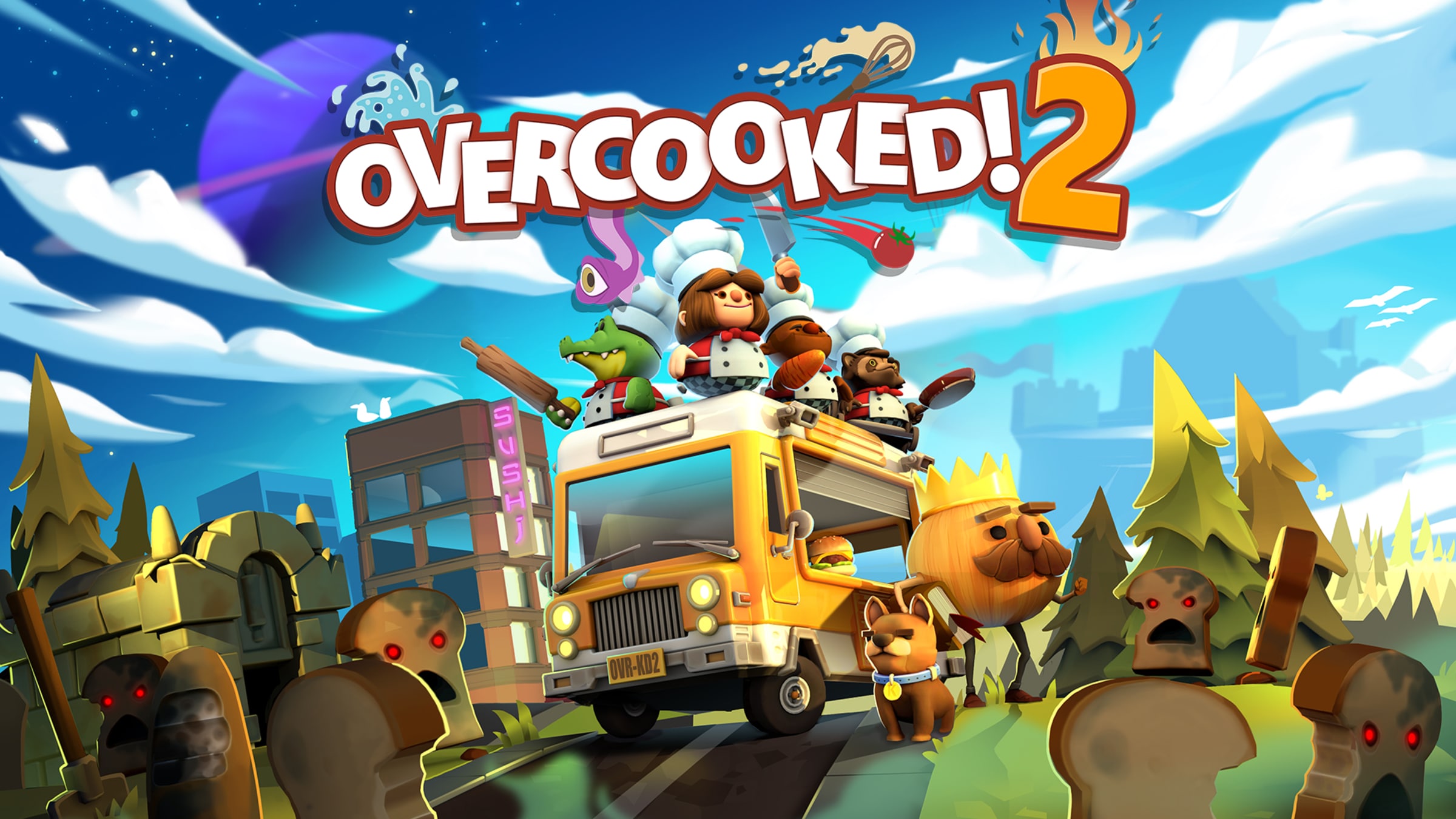
How Challenges Strengthen the Cooperative Spirit
The game’s difficulty is not designed to frustrate but to strengthen teamwork. When obstacles appear—moving platforms, fire hazards, sudden layout changes—players are forced to rely on each other. No single person can carry the entire team, which creates a rare balance where every role matters.
These challenges become opportunities for growth. Teams learn to anticipate problems, adjust responsibilities, and maintain trust. The moments that feel overwhelming often become the most memorable, because the satisfaction of success grows in direct proportion to the effort required.
There is also a sense of humor built into the difficulty. Chaos becomes part of the fun. Even when everything goes wrong, players laugh, restart, and try again. This resilience is part of what makes the experience so special.
Why the Game Encourages Natural Role Formation
While playing, individuals naturally gravitate toward tasks that suit their strengths. Someone with a quick reaction time might handle chopping. Someone organized may focus on plating and serving. Another person might keep track of cooking times or ingredients.
This effortless role distribution is one of the most beautiful aspects of the game. Without formal discussion, players start supporting each other in ways that feel organic. This creates a subtle but powerful bond that carries through the entire play session.
The game rewards this teamwork with smoother levels, faster deliveries, and higher scores. More importantly, it rewards players emotionally by showing how well people can function together when everyone contributes.
The Meaningful Simplicity at the Core of the Experience
The heart of the game lies in its simplicity. Chop, cook, serve, repeat—easy tasks that become emotionally rich when shared with others. The game doesn’t rely on complex storylines or deep mechanics; instead, it uses basic actions to create unforgettable moments.
This simplicity also makes the chaos more enjoyable. When a team performs well, it feels like a dance. When a team struggles, the mistakes become part of the experience. Every session becomes a blend of laughter, frustration, excitement, and relief.
That combination is what makes the game stay with players long after they stop playing.
A Cooperative Journey Filled with Emotion
The true magic of this game is the way it transforms teamwork into a deeply personal experience. It shows that cooperation can be fun, messy, heartwarming, and unpredictable. It bridges personalities and brings out the strengths of every player in the kitchen.
No matter how many levels are completed, the feeling of working together remains the central memory. That is why the game has left a mark on players of all ages and continues to gather new fans. It is not just a cooking game—it is a celebration of connection.
Conclusion
The enduring appeal of Overcooked 2 comes from the heartfelt energy that flows through every moment of gameplay. It is a cooperative experience built on communication, trust, and shared emotion. The lively chaos of each kitchen creates stories players remember, while the simple mechanics allow anyone to join the fun.
From the thrill of perfect teamwork to the laughter that erupts when everything falls apart, the game offers something meaningful behind its colorful design. Its charm comes from the way it brings people together, turning ordinary tasks into unforgettable memories. For anyone seeking a game that celebrates connection, teamwork, and joyful chaos, this one remains a remarkable and lasting experience.
FAQs
What makes Overcooked 2 stand out from other cooperative games?
It stands out because it blends simple mechanics with unpredictable kitchen challenges, encouraging natural teamwork, communication, and genuine emotional connection.
Is Overcooked 2 beginner-friendly?
Yes, its controls are easy to learn, allowing new players to jump in quickly while still offering enough challenge to keep experienced players engaged.
Why do people find Overcooked 2 so entertaining?
Its fast pace, chaotic kitchen layouts, and humorous mistakes create a mix of excitement and laughter that makes every session memorable.
Can Overcooked 2 improve teamwork skills?
Absolutely. The game promotes coordination, patience, and clear communication, helping players strengthen their cooperative abilities.
Is Overcooked 2 fun to play even with just two players?
Yes, the game scales well for smaller teams, offering a rewarding and lively experience whether played with two people or a full group.
Also read :The New BioShock Game: A Fresh World, New Ideas, and Big Expectations