
The Enduring Magic of Mario Party
Few gaming series capture the joy of friendly rivalry quite like Mario Party. Known for its unpredictable twists, colorful boards, and fast-paced minigames, it has become a staple of social gaming for more than two decades. Whether played at family gatherings, weekend hangouts, or late-night tournaments among friends, the series has carved out a special place in gaming history by delivering experiences that blend luck, skill, and humor.
From its earliest release, the franchise embraced a simple idea: make competition playful, make victories satisfying, and make losses entertaining. Even when fortune shifts unexpectedly, the fun doesn’t stop—it simply takes a new shape, often accompanied by laughter, frustration, or a sudden comeback that changes everything. That emotional rollercoaster is the heart of its lasting appeal.
The franchise has grown through multiple generations of consoles, updating its visuals, introducing new characters, and experimenting with different mechanics, yet it has always remained centered on the joy of shared experience.
The success of Mario Party lies in how naturally it brings people together. It doesn’t require intense gaming knowledge or advanced skills. Instead, it thrives on accessibility. Anyone can jump in, learn quickly, and become part of the excitement. Every roll of the dice carries a sense of possibility, and every minigame provides a fresh opportunity to shift the momentum.
As the series evolved, the developers added new layers of strategy without overwhelming players. Boards became more interactive, characters gained unique personalities, and minigames diversified across genres. The balance between skill and luck remained central, allowing everyone a chance to shine. It’s a formula that consistently makes each installment unpredictable and rewarding.
A Journey Through the Evolution of Party Gameplay
The earliest titles introduced a formula that blended board-game movement with real-time challenges. Players rolled dice, navigated branching paths, collected items, and competed in short bursts of gameplay. This rhythm—slow buildup followed by intense action—quickly became iconic.
Different consoles brought new opportunities. Motion controls introduced physical interaction. Touchscreen-based mechanics offered fresh approaches on handheld systems. High-definition graphics enhanced charm and expression, making celebrations brighter and setbacks more comical.
Yet throughout every innovation, the familiar elements remained present. Coins, stars, dice blocks, and minigames continued to define the experience. These core components allowed long-time fans to feel at home while attracting new players to the fun.
Characters Who Add Life to the Celebration
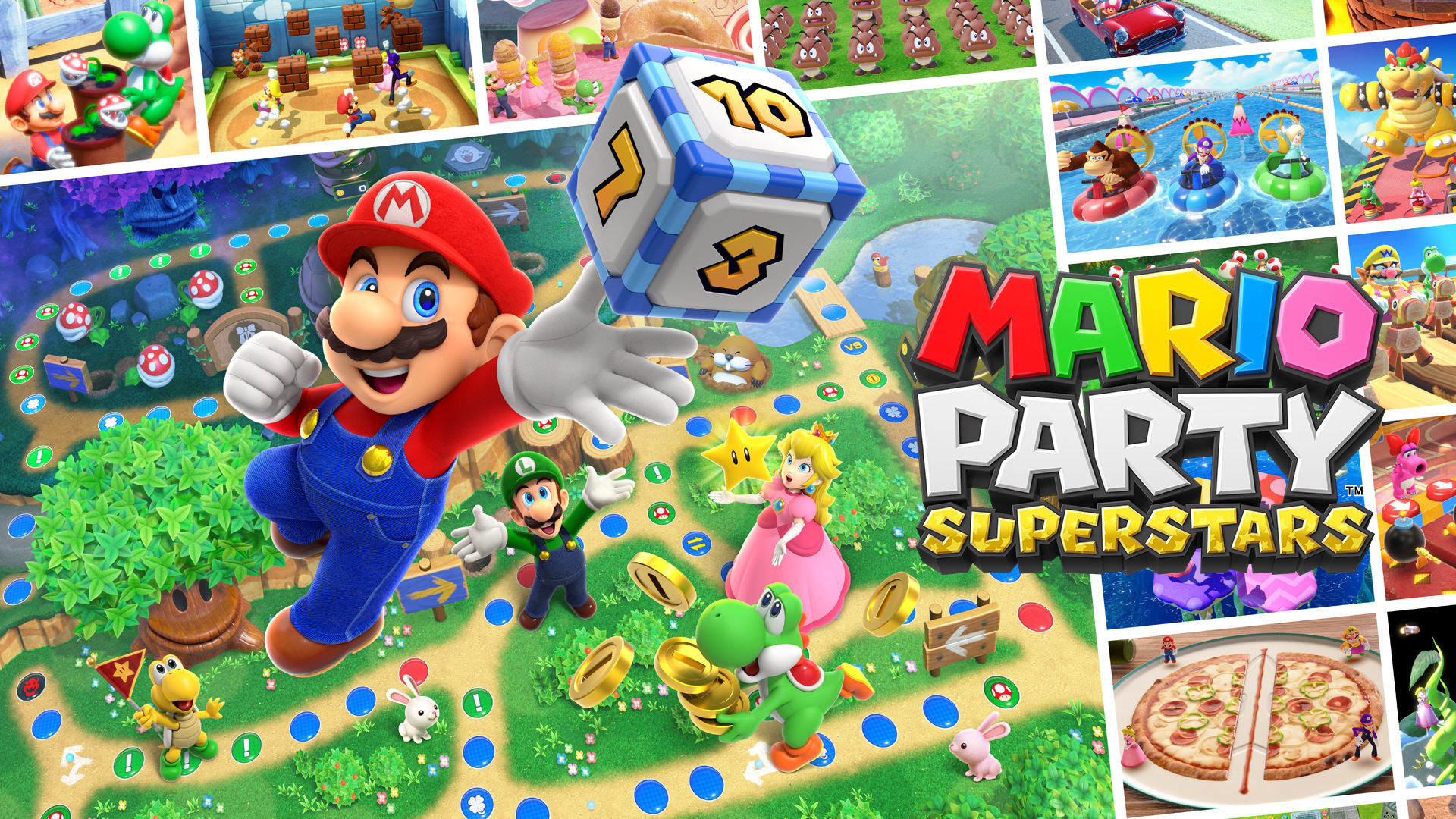
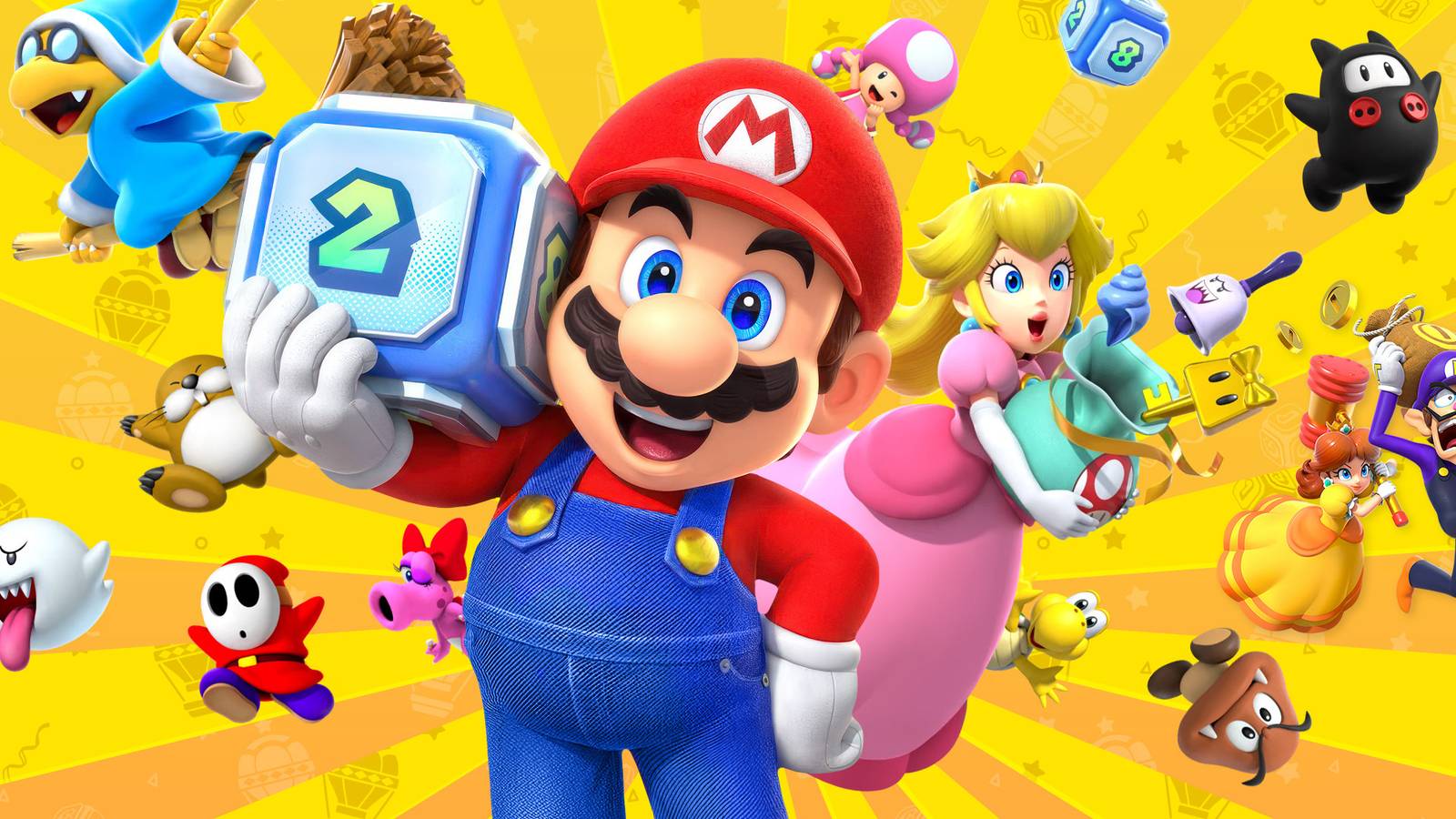
One of the series’ most memorable strengths is its character roster. Iconic heroes and villains arrive ready to compete, each bringing a burst of personality to every board. Mario’s optimism, Luigi’s earnest charm, Peach’s grace, and Bowser’s imposing presence add depth to each match.
Some entries introduced character-specific dice blocks or abilities, giving players new ways to strategize. These additions encouraged experimentation and helped deepen the competitive landscape. Even without unique abilities, character animations and reactions add humor and emotion, enhancing every moment of success or chaos.
Beyond the main characters, supporting roles like Toad, Koopa Troopa, Shy Guy, and Boo enrich the atmosphere. Their presence gives the boards life, making each match feel like a living, breathing event.
Boards Designed for Surprise and Strategy
Each board is crafted to offer a distinct experience. Some emphasize risk-reward choices, others focus on shifting routes, and many rely on environmental hazards that can instantly change the balance of power. Board design is a defining element of the franchise. It determines whether a match becomes a tactical battle, a chaotic scramble, or a blend of both.
Interactive spaces, item shops, traps, bonuses, and sudden events keep gameplay dynamic. Even when players believe they have secured victory, the board often has other plans. That unpredictability fuels tension and excitement, ensuring no two matches feel the same.
Some boards encourage long-term strategy, rewarding players who plan several turns ahead. Others thrive on quick reactions and bold decisions. The variety makes the series endlessly replayable.
The Importance of Minigames in Building Momentum
Minigames serve as the heartbeat of the series. They appear after nearly every round, breaking the pacing of the board game with bursts of action that challenge reflexes, timing, memory, or cooperation. These short competitions are memorable not only because they are fun, but because they can dramatically alter the outcome of a match.
Some require teamwork, forcing rivals to work together temporarily. Others are every-player-for-themselves battles that test both skill and adaptability. Many rely on creativity, presenting wild scenarios that bring out players’ competitive instincts.
Across generations, minigames have become more polished and diverse. The variety ensures that every session feels fresh, even after years of playing.
Items, Dice Blocks, and the Art of the Comeback
Items and dice blocks play a crucial role in shaping each match. They grant advantages, protect players from setbacks, or enable bold strategies that seemed impossible moments before. Whether stealing coins, multiplying movement, or disrupting opponents, these tools make every match a constant negotiation between offense and defense.
The comeback potential is one of the franchise’s most beloved aspects. No matter how far behind a player might seem, one lucky roll, one timely item, or one unexpected event can shift momentum dramatically. This keeps all players engaged throughout the entire game, eliminating the discouragement that often appears in competitive environments.
Local Multiplayer and the Power of Shared Moments
Social interaction is the foundation of the series. Local multiplayer has always been its strongest feature because it transforms digital competition into shared physical energy. Friends laugh, shout, tease, and celebrate together. Human reactions become just as important as the on-screen events.
These moments—unexpected betrayals, dramatic victories, sudden losses—create memories that linger long after the game ends. The ability to bring people together in such a natural way is a rare achievement in modern gaming.
While online play offers new ways to connect, the magic of being in the same room remains unmatched. The series excels at turning simple mechanics into unforgettable shared experiences.
Innovation and Reinvention Across Generations
As the series expanded, developers experimented with fresh approaches. Some titles changed board formats entirely, introducing team-based modes or cooperative adventures. Others refined classic mechanics, improving pacing and accessibility.
Later entries worked to blend nostalgia with modern design. Fresh interpretations of classic boards, reimagined minigames, and updated visuals allowed the franchise to connect different eras of players. Innovation never replaced the familiar charm; instead, it enhanced it by opening new ways to enjoy the experience.
This constant reinvention explains why the series maintains its relevance after so many years. Each installment respects its heritage while pushing the formula in new directions.
Why the Series Appeals to All Ages
Accessibility is key to its universal appeal. Children enjoy the vibrant visuals and simple controls. Adults appreciate the strategic depth and unpredictability. Casual players can pick it up instantly, while more competitive players can develop advanced strategies and timing-based skills.
The games are also inherently social. They encourage communication, celebration, and friendly conflict in ways that few other games manage. This cross-generational appeal keeps the franchise at the center of many family traditions and friend-group gatherings.
A Celebration of Chance and Choice
The balance between skill and luck is central to the franchise’s identity. While talented players often win more minigames, even the most experienced competitors can be humbled by an unlucky moment. Dice rolls create suspense. Items create possibilities. Random events introduce surprises.
This balance ensures that matches never feel predetermined. Instead, players remain engaged because they know that anything can happen at any moment. The tension between strategy and chance makes each decision meaningful.
The Role of Presentation in Creating Atmosphere
A significant part of the series’ charm comes from its cheerful presentation. Colorful animations, upbeat music, expressive sound effects, and entertaining character reactions work together to create a playful atmosphere. Even moments of misfortune feel lighthearted because the tone encourages humor rather than frustration.
Visual details vary across titles, but the spirit remains the same—bright, lively, and full of personality. Menus, transitions, and end-of-game celebrations contribute to this energy, keeping players fully immersed.
Community, Longevity, and Cultural Influence
Fans remain deeply connected to the franchise. They debate strategy, rank minigames, create challenges, host tournaments, and share memories online. The games have become part of cultural conversations about party gaming, social interaction, and nostalgia.
Its influence reaches beyond gaming circles. References appear in conversations, videos, and celebrations of classic game design. The franchise embodies the idea that games don’t need to be complicated to be unforgettable—they simply need to create moments worth sharing.
The Emotional Side of Competition
Competition in the series is not only about winning. It’s about the emotional journey. Players experience hope, surprise, triumph, and tension through each round. These emotions connect people and bring an element of storytelling to matches.
The unpredictability forces players to adapt. The victories feel earned. The defeats often provoke laughter rather than disappointment. This emotional landscape is part of what makes the franchise so loved across generations.
A Formula That Stays Fresh
Even after many installments, the formula remains engaging because it continually adapts while preserving core values. Some entries focus on classic board gameplay. Others explore new mechanics or new ways to interact with friends.
The variety of modes, boards, and minigames ensures that no single playthrough feels repetitive. Each match becomes a story defined by player decisions, luck, and the personalities involved.
Conclusion
The world of Mario Party thrives because it celebrates human interaction, spontaneity, and the joy of competition. Its blend of strategy, chance, and creativity ensures that every session feels unique. Whether sparking laughter, building anticipation, or igniting friendly rivalries, the franchise continues to create unforgettable memories.
Its longevity reflects its ability to bring people together, offering simple yet meaningful gameplay that resonates across generations. As long as people enjoy gathering around a screen to compete, strategize, and celebrate, the legacy of the series will continue to shine.
FAQs
Why is Mario Party so popular?
Its mix of easy-to-learn gameplay, unpredictable outcomes, and engaging minigames makes it enjoyable for both casual players and long-time fans. The social interaction it creates is a major part of its charm.
Can beginners enjoy Mario Party?
Yes. The controls are simple, the rules are easy to follow, and the balance between chance and skill allows newcomers to compete and have fun right away.
What makes Mario Party different from other multiplayer games?
It blends board-game strategy with fast-paced minigames, creating dynamic, unpredictable experiences that keep every match feeling fresh and exciting.
Does Mario Party focus more on luck or skill?
It uses a balanced blend. Skill helps in minigames, while luck affects dice rolls, item use, and event spaces—making the game accessible and entertaining for everyone.
Is Mario Party suitable for family gatherings?
Absolutely. Its cheerful presentation, wide character roster, and inclusive design make it perfect for families, friends, and players of all ages to enjoy together.
Also read :The Creative World of Building Games and Why They Inspire Endless Imagination