

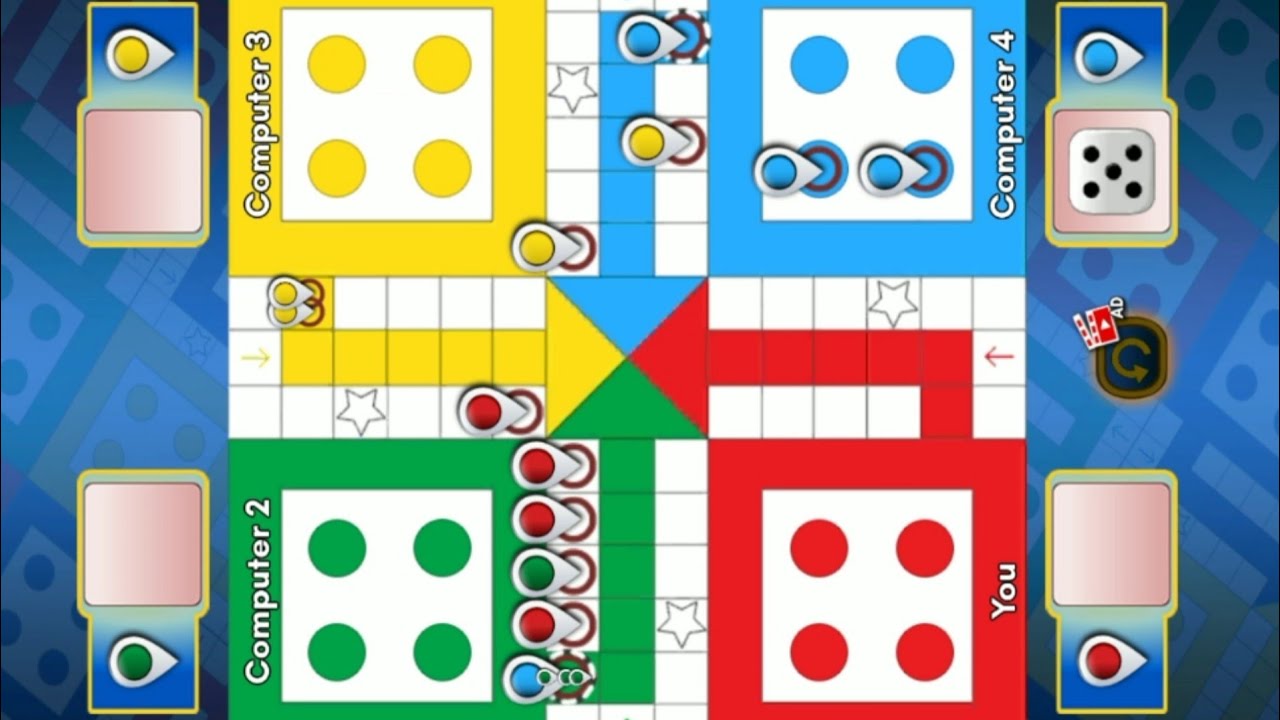
Board games have always held a special place in human culture. They bring people together, create friendly competition, and turn simple rules into memorable experiences. In the digital era, very few games have managed to recreate that feeling of shared enjoyment as successfully as Ludo King. What began as a straightforward digital adaptation of a traditional game has grown into a global phenomenon that transcends age, geography, and gaming experience.
This article explores how a familiar concept evolved into a modern classic, why it resonates with millions of players, and how it continues to thrive in an ever-changing gaming landscape.
The Cultural Roots of Ludo and Its Digital Revival
Long before smartphones and online multiplayer modes, Ludo existed as a physical board game played in homes across the world. Its origins trace back to ancient strategy games that emphasized chance, patience, and timing. The simplicity of rolling dice and moving tokens made it accessible to everyone, from children learning their first games to adults seeking relaxed entertainment.
When mobile gaming became widespread, developers faced a challenge: how to preserve the charm of traditional games while adapting them to digital platforms. The answer was not flashy graphics or complex mechanics, but faithful recreation combined with modern convenience.
Simplicity as a Strength
The core rules of Ludo require little explanation. Players roll a die, move tokens, and race to the finish while navigating risks and opportunities. This simplicity translates perfectly to digital play, where short sessions and intuitive controls are essential.
Rather than reinventing the game, developers focused on maintaining its original spirit. This respect for tradition became a key factor in its widespread acceptance.
From Living Rooms to Mobile Screens
Digital adaptation removed physical limitations. No board setup, no lost pieces, and no need for everyone to be in the same room. Friends and family could now connect from different cities or even different countries, recreating the social experience in a new form.
This transition marked the beginning of a new chapter for a familiar pastime.
Why Ludo King Became a Global Favorite
The success of Ludo King did not happen by accident. Its popularity is rooted in thoughtful design choices that prioritize accessibility, inclusivity, and social interaction.
The game appeals to casual players who want quick fun as well as those who enjoy longer, more competitive sessions. This versatility allows it to fit seamlessly into daily routines.
Accessibility Across Ages
One of the most remarkable aspects of the game is its broad appeal. Children understand it quickly, while adults appreciate its nostalgic value. Elderly players, often overlooked by modern gaming trends, find it approachable and enjoyable.
This cross-generational appeal transforms gameplay into a shared experience rather than an isolated activity.
Minimal Learning Curve
Unlike many mobile games that overwhelm players with tutorials and mechanics, this game requires almost no learning time. Most players already know the rules, and newcomers can grasp them within minutes.
This ease of entry lowers barriers and encourages repeated play.
Ludo King as a Social Experience
Connecting People in a Digital World
At its heart, Ludo King is not just a game but a social platform. It enables players to interact, compete, and laugh together despite physical distance. During periods when in-person gatherings are limited, this connection becomes especially meaningful.
The game recreates the informal conversations and playful rivalries that often accompany board games in real life.
Friendly Competition Without Pressure
Unlike high-stakes competitive games, the atmosphere here remains lighthearted. Winning feels satisfying, but losing rarely feels discouraging. The element of chance ensures that outcomes are unpredictable, keeping matches entertaining rather than stressful.
This balance makes the game suitable for relaxation rather than intense competition.
Design Choices That Support Longevity
Sustaining long-term interest in a simple board game requires careful design. Developers achieved this by enhancing the experience without compromising its essence.
Visual clarity, smooth animations, and responsive controls ensure that gameplay remains pleasant over extended periods.
Clean and Familiar Visuals
The design stays close to the traditional board layout, using bright colors and clear symbols. This familiarity reinforces comfort and recognition, especially for players accustomed to the physical version.
Visual simplicity also ensures compatibility across a wide range of devices.
Smooth Performance on Multiple Platforms
By optimizing performance, the game runs reliably even on older smartphones. This technical consideration expands its reach, allowing players from diverse economic backgrounds to participate.
Consistency and stability contribute significantly to player retention.
The Role of Chance and Strategy
Although dice rolls introduce randomness, thoughtful decisions still matter. Players must choose which token to move, when to take risks, and how to block opponents effectively.
This blend of chance and strategy keeps gameplay engaging without becoming overly complex.
Decision-Making Under Uncertainty
Every roll presents a small dilemma. Move forward aggressively or play defensively? Protect a leading token or advance another? These micro-decisions add depth to an otherwise simple system.
They also ensure that no two matches feel exactly the same.
Fairness Through Randomness
Chance levels the playing field. New players can defeat experienced ones, making the game welcoming rather than intimidating. This unpredictability fosters inclusivity and keeps outcomes exciting.
Fairness becomes a defining feature rather than a flaw.
Nostalgia and Emotional Connection
For many players, the game evokes memories of childhood evenings spent with family and friends. This emotional connection enhances enjoyment and encourages repeated engagement.
Nostalgia acts as a powerful motivator, turning a casual pastime into a meaningful ritual.
Recreating Familiar Moments
Digital play mirrors the rhythms of traditional sessions: anticipation during dice rolls, shared laughter after unexpected turns, and lighthearted teasing between rounds.
These moments create emotional continuity between past and present.
Comfort in Familiarity
In a fast-paced digital world, familiar experiences offer comfort. The game provides a sense of stability and predictability without becoming boring.
This emotional safety net is part of its enduring appeal.
Adaptation Without Overcomplication
One of the reasons Ludo King continues to succeed is its restraint. Instead of overwhelming players with excessive features, updates focus on refinement rather than reinvention.
This approach respects the original experience while ensuring modern usability.
Balancing Innovation and Tradition
Small enhancements improve convenience and presentation without altering core mechanics. This balance prevents alienation of long-time players while still attracting new ones.
Staying true to the essence of the game proves more valuable than chasing trends.
Avoiding Feature Fatigue
Many mobile games lose players by adding unnecessary complexity. Here, simplicity remains a guiding principle, ensuring clarity and enjoyment.
Restraint becomes a competitive advantage.
The Broader Impact on Casual Gaming
The success of Ludo King demonstrates that casual games can achieve massive reach without aggressive monetization or constant novelty. It highlights the enduring power of simple ideas executed well.
This influence extends beyond one title, shaping how developers approach digital adaptations of classic games.
Redefining Success Metrics
Instead of focusing solely on competitive rankings or high-intensity engagement, success is measured through accessibility and sustained enjoyment.
This shift broadens the definition of what makes a game valuable.
Inspiring a Return to Classics
The game’s popularity has renewed interest in other traditional board games, encouraging thoughtful digital adaptations that prioritize social connection.
In doing so, it bridges generations and gaming cultures.
Conclusion
Ludo King stands as a testament to the idea that great experiences do not require complexity. By honoring tradition, embracing accessibility, and fostering genuine social interaction, it has carved out a unique place in the digital gaming landscape.
Its enduring appeal lies in its ability to bring people together, offering moments of joy, nostalgia, and connection. In a world where trends come and go, this simple yet powerful game continues to remind players that sometimes, the most meaningful entertainment is also the most familiar.
FAQs
What is Ludo King?
Ludo King is a digital version of the classic board game Ludo, designed for mobile and desktop platforms, allowing players to enjoy traditional gameplay with friends, family, or online opponents.
Why is Ludo King so popular worldwide?
Its popularity comes from simple rules, cross-generational appeal, nostalgic value, and the ability to play both locally and online without a steep learning curve.
Can Ludo King be played with friends remotely?
Yes, players can connect and play together from different locations, making it easy to enjoy the game even when not physically together.
Is Ludo King suitable for all age groups?
Absolutely. The game is easy enough for children, engaging for adults, and accessible for older players, making it ideal for all ages.
Does Ludo King require advanced gaming skills?
No. The game focuses on simple mechanics, chance, and light strategy, making it relaxing rather than competitive or skill-intensive.
What makes Ludo King different from other mobile games?
Unlike many modern games, it emphasizes social connection, simplicity, and familiarity instead of complex mechanics or fast-paced competition.
Also read :Garden Gnomes Game: A Whimsical Strategy Experience Built on Calm and Clever Play