

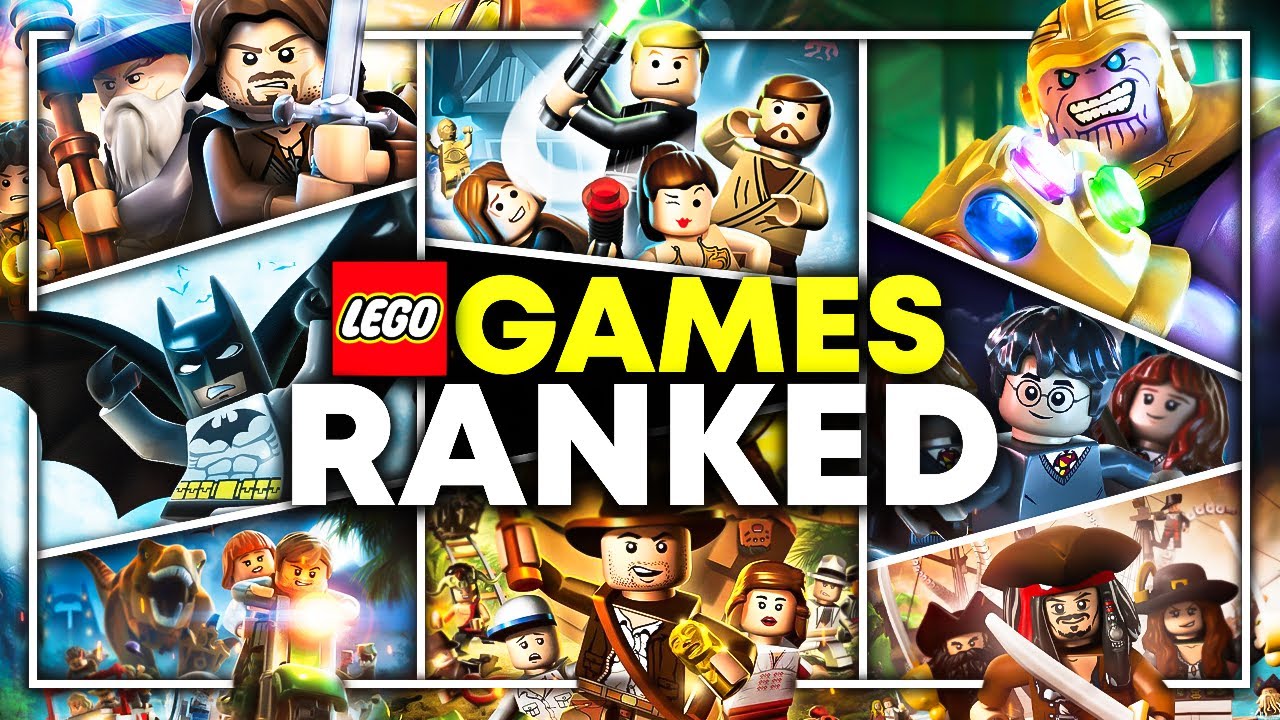
At first glance, games built from colorful plastic bricks might seem lighthearted or even simplistic. Yet over the years, LEGO Games have quietly grown into something far richer than casual entertainment. They invite players into playful worlds where imagination is rewarded, humor feels genuinely clever, and stories unfold with surprising emotional depth. These experiences do not rely on realism or complexity to make an impact. Instead, they thrive on charm, creativity, and a deep respect for the joy of play.
What makes these titles special is not only how they look, but how they feel. They encourage curiosity without pressure and allow players to experiment freely without fear of failure. Whether you are exploring a familiar universe or discovering an original story, the experience feels welcoming and thoughtfully designed. This balance between accessibility and depth has helped these games remain relevant across generations.
LEGO Games and the Power of Playful Creativity
Creativity sits at the heart of every successful title in this space. Unlike many modern games that guide players through strict mechanics and outcomes, LEGO Games celebrate experimentation. You are often encouraged to break things, rebuild them differently, and see what happens next. This playful freedom mirrors the real-world experience of building with bricks, where imagination leads and rules follow.
Levels are rarely limited to a single solution. A puzzle might be solved by building an unexpected structure, using a character’s unique ability in a clever way, or simply exploring the environment more closely. This design approach gives players a sense of ownership over their progress. The game does not just reward skill; it rewards curiosity.
Building Worlds That Invite Exploration
Every environment is crafted to feel alive and interactive. Objects are rarely static. They can be smashed, rearranged, or transformed into something new. This constant feedback loop makes exploration feel meaningful. When players realize that nearly everything around them can be manipulated, the world becomes a playground rather than a backdrop.
This design choice also encourages replayability. Returning to a level with new characters or abilities often reveals hidden paths and secrets. The act of revisiting familiar spaces feels fresh because the player’s perspective has changed. Creativity, in this sense, is not just encouraged but continuously renewed.
Encouraging Imagination Across Ages
One of the most remarkable aspects of these games is their universal appeal. Younger players enjoy the freedom to experiment without harsh consequences, while older players appreciate the layered design and clever problem-solving. Creativity is presented as something intuitive rather than intimidating.
This inclusivity reflects a deeper philosophy. The games do not assume a single type of player. Instead, they create systems flexible enough to adapt to different play styles. That adaptability is what allows imagination to flourish, regardless of age or experience.
Humor That Speaks Without Words
Humor in games often relies on dialogue or exaggerated scenarios, but here it takes a more subtle and expressive form. Visual gags, exaggerated animations, and playful timing deliver comedy that feels natural rather than forced. LEGO Games often tell jokes without saying a single word, trusting players to notice small details and appreciate clever moments.
Characters might react dramatically to simple events or break the fourth wall in unexpected ways. These moments create laughter not because they are loud or obvious, but because they are thoughtfully placed. The humor feels earned, woven into the fabric of the experience rather than added as decoration.

Visual Comedy as a Storytelling Tool
Slapstick humor plays a key role in making scenes memorable. A serious moment might be interrupted by a character slipping on a loose brick or reacting with exaggerated shock. These interruptions do not undermine the story. Instead, they humanize it, reminding players that fun is always the priority.
This approach also makes complex stories more approachable. By balancing serious themes with lighthearted moments, the games maintain an emotional rhythm that keeps players engaged. Humor becomes a bridge between narrative depth and accessibility.
Humor That Respects the Audience
Importantly, the comedy never feels condescending. Jokes are designed to be enjoyed on multiple levels. Children might laugh at physical comedy, while adults recognize clever references or ironic twists. This layered humor ensures that no audience feels left out.
Such respect for the player contributes to the lasting appeal of the series. Laughter here is not about distraction; it is about connection. Players feel understood, and that emotional resonance strengthens their bond with the game.
Storytelling Through Simplicity
Storytelling in LEGO Games often defies traditional expectations. Instead of relying on lengthy dialogue or complex exposition, narratives are conveyed through action, expression, and environment. This simplicity does not limit depth. In fact, it often enhances it.
By stripping away unnecessary detail, the games focus on core emotions and motivations. Players quickly understand what a character wants, fears, or values, even without spoken words. This clarity makes stories feel immediate and relatable.
Adapting Familiar Universes
Many titles draw inspiration from well-known franchises, yet they reinterpret these worlds through a playful lens. Iconic scenes are recreated with a sense of humor and warmth, making them feel fresh rather than repetitive. The essence of the original story remains intact, but it is presented in a way that invites new appreciation.
This reinterpretation also allows players to engage with stories they already know from a different perspective. Familiar moments gain new meaning when viewed through playful exaggeration and interactive design.
Original Stories with Emotional Weight
Beyond adaptations, original narratives shine through character development and environmental storytelling. Relationships between characters are shown through small gestures and shared experiences. A simple cooperative action can communicate trust, friendship, or growth.
These stories resonate because they feel honest. They do not rely on dramatic twists or high-stakes conflicts alone. Instead, they focus on connection, teamwork, and perseverance. Such themes are timeless and universally relatable.
The Role of Cooperation and Shared Play
Another defining feature is the emphasis on cooperation. Playing together is not an optional extra; it is woven into the core experience. LEGO Games often encourage shared problem-solving, where progress depends on communication and collaboration.
This cooperative design strengthens relationships between players. Success feels shared, and challenges become opportunities for teamwork rather than sources of frustration. The act of playing together mirrors the physical experience of building with bricks, where ideas are exchanged freely.
Designing for Togetherness
Split-screen play and shared objectives ensure that no player feels secondary. Each participant has a meaningful role, and puzzles are designed to require cooperation. This structure fosters empathy and patience, qualities often overlooked in competitive gaming.
By prioritizing togetherness, the games create moments that extend beyond the screen. Laughter, discussion, and shared discovery become part of the experience, turning playtime into a social ritual.
Why These Experiences Endure
Longevity is not achieved by novelty alone. The enduring popularity of these titles comes from their ability to evolve while staying true to their core values. Creativity, humor, and storytelling remain central, even as mechanics and visuals improve.
Players return not just for new content, but for a familiar sense of comfort. The games offer a space where imagination is safe, laughter is frequent, and stories feel personal. That emotional consistency builds trust, encouraging players to revisit and recommend the experience.
A Design Philosophy Rooted in Joy
At their core, these games are guided by a simple principle: play should be joyful. Challenges exist, but they are designed to be inviting rather than punishing. Progress feels rewarding without feeling exhausting.
This philosophy resonates in a gaming landscape often dominated by intensity and competition. By offering an alternative centered on creativity and connection, LEGO Games carve out a unique and lasting place.
A Lasting Impact Beyond the Screen
The influence of these games extends into how players think about creativity itself. They encourage experimentation, patience, and collaboration. Lessons learned through play often translate into real-world problem-solving and communication.
Parents appreciate the balance between entertainment and positive values, while players of all ages find inspiration in the freedom to imagine and build. This impact is subtle but meaningful, shaping attitudes toward creativity and play.
Conclusion
What begins as a playful adventure often becomes something deeper. Through thoughtful design, expressive humor, and emotionally grounded storytelling, LEGO Games demonstrate that fun and meaning can coexist beautifully. They remind players that imagination does not fade with age and that stories can be told in countless ways.
In a medium constantly chasing innovation, these experiences stand out by honoring the basics: creativity, laughter, and connection. Their lasting appeal lies not in spectacle, but in the simple joy of building something memorable, one brick at a time.
FAQs
What makes LEGO games different from other video games?
They focus on creativity, exploration, and playful problem-solving rather than strict rules or high-pressure competition, making them welcoming for all players.
Are LEGO games suitable for adults as well as children?
Yes, they are designed with layered humor and thoughtful storytelling that appeal to both younger players and adults.
Do LEGO games have real stories or just simple gameplay?
They feature well-crafted stories told through visual cues, character actions, and environments, often with surprising emotional depth.
Can LEGO games be played together with family or friends?
Most titles encourage cooperative play, making them ideal for shared experiences and teamwork.
Why do LEGO games remain popular over time?
Their timeless focus on imagination, humor, and connection keeps them enjoyable and relevant across generations.
Also read :ARC Raiders: A New Vision of Cooperative Survival