

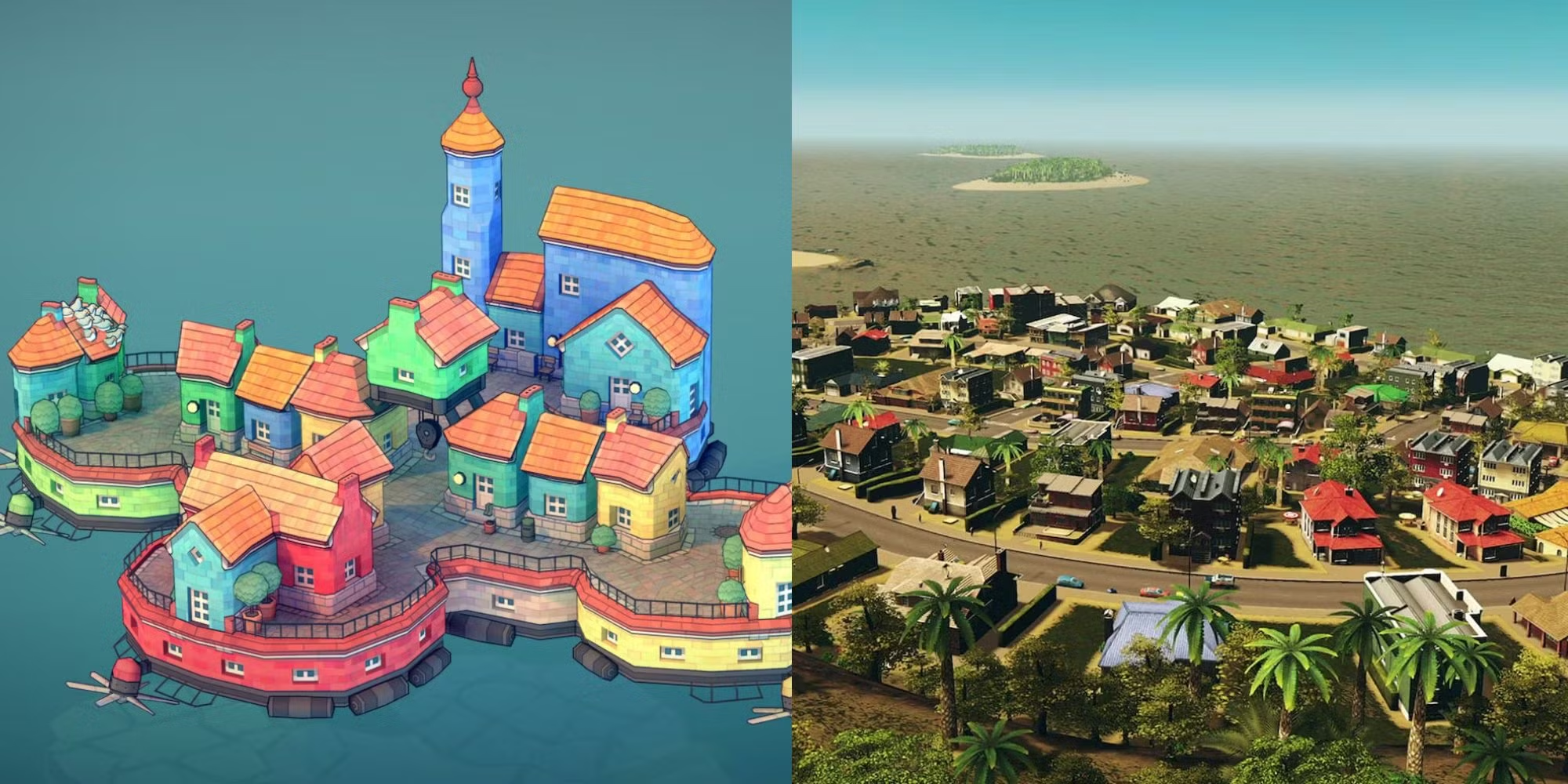
Understanding the Magic of Building Games
In the digital entertainment world, few genres spark creativity quite like Building Games. These games invite players into open environments where imagination takes the lead, allowing them to craft structures, design landscapes, and innovate through experimentation. Whether constructing towering cities, shaping natural terrains, or assembling intricate mechanical systems, players find freedom in creating worlds that reflect their ideas and ambitions.
What makes this genre unique is its ability to blend creativity with problem-solving. Players must think about structure, balance, function, and design while still having fun. This natural mix of exploration and construction gives the genre a special charm that appeals to people of all ages.
Why Building Games Continue to Evolve
The Growing Appeal of Creativity-Driven Play
Over time, gaming trends shift, but the appeal of creativity remains constant. Building Games grow alongside technology, offering more detailed environments, realistic physics, and powerful tools that enhance the building experience. Players enjoy having complete control over their worlds, shaping landscapes from scratch and turning simple ideas into complex masterpieces.
As game engines become more advanced, the genre gains depth. Features like dynamic lighting, procedural generation, and physics-based construction encourage players to think more strategically. These advancements allow beginners and experienced builders alike to experiment freely, learn new approaches, and challenge their creative boundaries.
The Emotional Satisfaction of Creating Something Your Own
One of the strongest driving forces behind the genre is emotional fulfillment. Creating something personally meaningful—whether a peaceful village, a futuristic skyscraper, or a fully functioning puzzle—offers a sense of accomplishment that few other game types replicate. Players find value not just in finishing a build but in the process itself: planning, adjusting, and watching a project come to life piece by piece.
The sense of ownership enhances replayability, as each new world presents new challenges and possibilities. No two players build the same way, which keeps the experience fresh and encourages long-term engagement.
The Creative Depth Hidden Within Simple Mechanics
Despite their accessible design, these games often have remarkable depth beneath the surface. Even basic tools can lead to advanced outcomes when used creatively. The freedom to build encourages experimentation, and players quickly realize how small adjustments can transform a structure’s stability, style, or function.
Many games allow players to manipulate materials, adjust scale, and combine components in innovative ways. Some titles emphasize architecture, while others prioritize engineering or environmental design. This diversity gives the genre a wide appeal and ensures that every player finds a style that resonates personally.
Building Games as Tools for Learning and Growth
Improving Problem-Solving Skills Through Play
Many people underestimate the educational value hidden within Building Games. From structural stability to resource management, players practice problem-solving every time they attempt a new project. When a tower collapses, they learn to adjust its foundation. When a bridge fails to hold weight, they refine its support. When a city experiences imbalance, they analyze and optimize.
These lessons build analytical thinking and encourage players to understand cause and effect. Without feeling like traditional learning, the games naturally develop skills that benefit real-world reasoning and creativity.

Boosting Creativity and Encouraging Innovation
Creativity thrives in environments without strict rules. These games offer exactly that—spaces where players can shape their worlds freely, make mistakes safely, and try again without penalty. Each failure becomes a stepping stone toward a new idea, and each success adds confidence to explore even further.
This unrestricted learning environment is especially beneficial for younger players, who develop spatial awareness, design skills, and imaginative thinking. However, adults also find these games valuable for unwinding, brainstorming, or expressing concepts that might not have an outlet elsewhere.
Immersion Through Player Choice and Vision
One of the strongest elements behind the success of the genre is the sense of immersion it provides. Players engage deeply when they can shape their surroundings according to their vision. From the layout of roads to the placement of furniture, every choice influences the atmosphere and personality of the world.
This immersion grows as structures become more intricate. Watching a town expand or a mechanical invention function as intended creates a rewarding cycle that pushes players to continue building, expanding, and refining their work. The world becomes an extension of their imagination.
The Social and Collaborative Side of Building Games
Working Together Toward Shared Creations
Many modern titles introduce multiplayer modes that allow players to collaborate. Working together toward a shared project adds a layer of communication, strategy, and teamwork. Groups can divide roles, brainstorm ideas, and bring large-scale visions to life in ways that a single player might not achieve alone.
These collaborative experiences create lasting memories. Whether constructing enormous cities or playful structures, the shared effort strengthens social bonds and inspires greater creativity.
Inspiring Communities Through Shared Ideas
Beyond in-game collaboration, communities built around Building Games thrive online. Players share screenshots, videos, blueprints, and tutorials that spark new ideas across the world. What one person creates often inspires countless others to innovate in their own styles.
This culture of sharing keeps the genre fresh, as new trends and building techniques emerge constantly. Players learn from each other and push the boundaries of what can be achieved, turning the games into platforms for artistic expression.
Balancing Freedom With Structure
One of the most enjoyable aspects of the genre is the balance between freedom and gentle guidance. While players have full creative control, many games include missions or objectives that offer direction without restricting imagination. These optional goals help beginners understand mechanics while still allowing advanced players to approach the game however they wish.
This flexibility ensures the games remain appealing to casual players and dedicated creators alike. Everyone can move at their own pace, follow their own vision, and explore the tools in front of them.
Building Games and the Sense of Flow
Why Players Lose Track of Time
Many players describe entering a “flow state” when fully immersed in Building Games. This psychological phenomenon occurs when focus becomes effortless, and the activity feels rewarding and calming. The repetitive placement of materials, gradual progression of structures, and satisfying visual feedback all help induce this sense of flow.
Flow state enhances the overall experience by making sessions feel refreshing rather than draining. It offers a momentary escape that helps players relax while still staying mentally engaged.
How Flow Enhances Creativity
When players reach this state of deep focus, creativity sharpens. Ideas come more naturally, and experimentation feels more fluid. Without distractions or pressure, players often produce their most impressive creations. This aspect is one of the reasons the genre maintains a loyal audience.
Technological Advancements Shaping the Future
As technology grows, the potential of the genre expands with it. Enhanced physics engines, realistic lighting, interactive environments, and artificial intelligence systems deepen the level of detail players can explore. Virtual reality introduces even greater immersion, allowing players to build as though they are physically inside their worlds.
These advancements not only improve realism but also unlock more imaginative possibilities. The future promises even more intricate tools and larger worlds to explore, ensuring the genre continues to thrive for years to come.
How Building Games Inspire Beyond the Screen
The influence of the genre extends into real life. Architects, designers, and engineers often credit early exposure to these games for sparking their interest in their fields. Creative hobbies like model building, interior design, or crafting can all be influenced by experiences in digital environments.
The lessons learned—planning, experimentation, patience, and problem-solving—translate into practical skills that benefit players long after the game is turned off.
Building Games as a Universal Language
Creativity needs no translation. Across cultures and ages, people enjoy shaping worlds that reflect their imagination. This universal appeal allows the genre to reach global audiences and bring people together through shared ideas and inspiration.
Simple Tools, Endless Results
Despite variations in design, the core concept remains simple: build, create, imagine. This simplicity allows players to connect deeply with the experience, regardless of age or background. It is a genre defined not by competition but by expression, exploration, and personal vision.
A Genre That Continues to Inspire
Building Games remain among the most enduring and imaginative genres in digital entertainment. Their blend of freedom, challenge, creativity, and personal expression creates an experience that resonates deeply with players. From casual builders to dedicated creators, the genre offers something meaningful and fulfilling for everyone.
The magic lies in the worlds players construct and the stories those worlds tell. With every block placed and every structure imagined, these games remind us of the joy of creating something uniquely our own. In a fast-paced world, they provide space to dream, to build, and to shape universes limited only by our imagination.
As technology evolves and creativity continues to flourish, the genre will only grow richer and more inspiring. At its heart, it remains a celebration of human imagination—a place where ideas become reality, and where every player has the power to build a world worth exploring.
FAQs
What makes Building Games so popular?
They allow players to express creativity freely, build unique worlds, and solve problems through design and experimentation, making the experience both relaxing and engaging.
Are Building Games suitable for all ages?
Yes, they appeal to children, teens, and adults alike. Their open-ended nature encourages creativity while also offering depth for more experienced players.
Do Building Games help improve real-life skills?
Many players develop spatial awareness, planning abilities, problem-solving skills, and creative thinking, which can translate into practical skills outside the game.
Can you play Building Games with others?
Many titles include multiplayer or cooperative modes that allow players to collaborate on shared projects, strengthening teamwork and communication.
Why do players spend so much time in Building Games?
The genre encourages flow state, a deeply focused and calming experience, while offering endless opportunities for imagination and long-term projects.
Also read :Blog Jet Liên Quân: A Deep Look at Strategy, Skill, and Community Growth