
Few games wear their heart on their sleeve quite like Kirby Star Allies. From the first moments, the world feels welcoming, bright, and gently inviting, yet there is a quiet depth beneath the pastel charm. This is a side-scrolling platformer that leans into joy, cooperation, and a playful sense of discovery. It is a game about helping others, turning enemies into companions, and finding strength in shared momentum rather than lone heroics.
At a glance, it looks simple. The controls are accessible, the enemies are cute, and the pace is forgiving. But the design hides layers of thoughtful mechanics, clever level structure, and subtle emotional beats that reward curiosity and experimentation. Whether played alone or with friends on the couch, the experience feels handcrafted to make players smile first and think second, which is often the perfect order for a game like this.
This article explores how the game balances charm with depth, how its cooperative systems reshape the platforming genre, and why it still resonates with players who want a gentle adventure without sacrificing creativity.
The World and Its Gentle Stakes
The setting is a vibrant collection of floating lands, crystalline caverns, grassy fields, and whimsical ruins. Each world is themed with clear visual identity, but none feel isolated. There is a sense of continuity, as if these places belong to a living storybook world. The environments are not just backdrops; they subtly guide how you play. Narrow corridors invite precision, wide arenas encourage experimentation with abilities, and vertical spaces reward clever movement.
The narrative is intentionally light, yet it carries a soft emotional core. Instead of framing conflict as destruction, the game presents it as restoration. Problems are solved by connection rather than conquest. This framing influences how players approach challenges. You are not simply defeating enemies; you are often transforming them into allies. The emotional tone matters because it sets expectations. This is not a game about punishment or failure. It is about momentum, learning through play, and finding delight in small surprises.
A Fresh Take on Cooperative Play
Turning Enemies into Allies
One of the defining ideas in Kirby Star Allies is the ability to recruit former enemies as partners. This mechanic reshapes the traditional platformer loop. Instead of clearing a stage alone, you build a small team that moves, attacks, and interacts with the environment alongside you. Each ally brings unique skills, creating small puzzles within the action.
For example, certain allies can freeze water to create platforms, while others can light torches or cut through obstacles. The game gently nudges players to think in combinations. What happens if you pair an elemental ability with a specific weapon? How does movement change when your team includes a flying companion versus a heavy hitter? These questions emerge naturally through play, without the need for complex tutorials.
Couch Co-op That Actually Works
Local cooperative play is where the design truly shines. Up to four players can share the screen, each controlling a character with distinct abilities. The camera keeps the group together, encouraging communication and shared rhythm. Instead of chaos, the game fosters a feeling of teamwork. Players can support each other, revive fallen teammates, and coordinate attacks in satisfying bursts of color and sound.
What makes this approach special is how forgiving it feels. New players can jump in without being overwhelmed. Experienced players can take on supportive roles or challenge themselves by trying different combinations of allies. The design respects different skill levels within the same session, which is rare in cooperative platformers.

Abilities That Invite Creativity
Classic Powers, Reimagined
The ability system builds on familiar ideas while adding small twists. Sword, fire, ice, and beam abilities return, each with fluid animations and clear feedback. The joy comes from how these powers interact with the world. A fiery attack might ignite environmental elements, while ice can reshape terrain. These interactions make the levels feel responsive, as if the world is reacting to your presence rather than merely hosting you.
Abilities also combine with weapons in creative ways. A simple spear can take on new properties when infused with an element, turning routine combat into a playful experiment. The game never pressures you to master every combination, but it quietly rewards curiosity. Trying something new often leads to small “aha” moments that feel personal and earned.
Elemental Synergy in Action
The idea of synergy sits at the heart of the experience. Combining powers with allies can change how encounters unfold. A wind-based attack might amplify a flame effect, while water-based abilities can support electric attacks in surprising ways. These interactions are not overly complex, but they create a sense of discovery. The game trusts players to stumble into clever solutions rather than prescribing them.
This design choice keeps the pace light. You are not stopping to solve intricate puzzles; you are flowing through stages, occasionally pausing to laugh when an unexpected combination clears a screen of enemies in a burst of color. That feeling of playful experimentation is one of the game’s greatest strengths.
Level Design That Encourages Exploration
Linear Paths with Hidden Depth
On the surface, stages follow a classic left-to-right progression. Yet hidden rooms, alternate routes, and small secrets are tucked into corners that reward observant players. These secrets are rarely essential, but they enrich the sense of discovery. Finding a hidden area feels like uncovering a quiet side note in a story, a moment of calm away from the main path.
The pacing is carefully tuned. Levels rarely overstay their welcome, and new visual ideas appear frequently enough to keep things fresh. The game introduces mechanics gradually, allowing players to internalize them without feeling rushed. This approach makes exploration feel inviting rather than mandatory.
Visual Storytelling Through Space
The environments communicate tone without words. A serene meadow with soft lighting signals safety and calm, while darker, more angular spaces hint at rising tension. These shifts in atmosphere help structure the emotional arc of the journey. Even without heavy narrative exposition, players can feel when the story is moving toward something more mysterious or challenging.
This visual storytelling also helps younger or less experienced players intuit what to do. Brightly colored elements often signal interactivity, while subtle lighting cues draw attention to points of interest. The result is a world that teaches through design rather than instruction see, try, and learn.
Difficulty That Welcomes Everyone
Accessible Yet Engaging
The overall difficulty curve is gentle, but not empty. Early stages allow players to build confidence, while later areas introduce more complex enemy patterns and environmental hazards. The game respects the idea that fun should come before frustration. Failing rarely feels punishing, and checkpoints are placed thoughtfully.
This accessibility does not mean the game lacks challenge. Optional content and late-game modes offer tougher encounters for those who want them. The beauty of the design is that it never locks enjoyment behind difficulty. Players can engage at their own pace, choosing how deep they want to go.
Optional Challenges for Completionists
For those who enjoy thorough exploration, additional modes and challenges provide extra layers of engagement. These sections test mastery of mechanics without disrupting the main adventure’s relaxed tone. The optional nature of these challenges respects different play styles. Some players want to relax and enjoy the journey, while others want to push their skills further.
By offering both paths, the game avoids the trap of being too simple or too demanding. It finds a middle ground that feels welcoming to newcomers and satisfying for dedicated fans.
Music and Atmosphere
A Soundtrack That Feels Like a Hug
The music plays a crucial role in shaping the mood. Melodies are cheerful, gentle, and often nostalgic. They evoke a sense of comfort that complements the visual style. Each area has its own musical identity, yet the soundtrack maintains a cohesive emotional thread. This consistency helps the world feel unified, like chapters of the same story.
Sound effects are equally important. The soft pop of collecting items, the playful chime of activating abilities, and the satisfying swoosh of movement all contribute to a tactile sense of joy. These small audio details make interactions feel meaningful, even when the actions themselves are simple.
Atmosphere as Emotional Guide
Atmosphere is not just about aesthetics. It guides how players feel at each moment. When the music softens and the colors dim, you sense a shift in tone. When the tempo picks up and the palette brightens, the game invites you to move faster and take risks. This emotional guidance helps maintain immersion without overt direction.
Characters That Feel Like Companions
Familiar Faces with New Roles
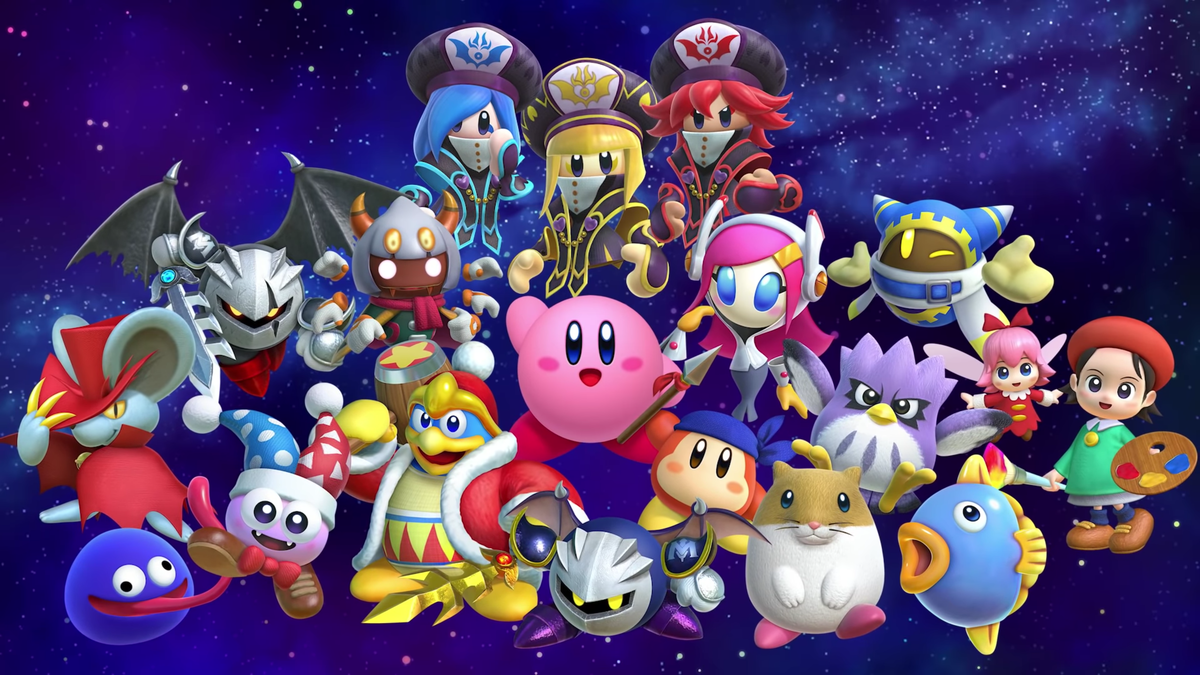
The cast of characters feels like a friendly ensemble. Each ally brings personality through animation and movement. Even without dialogue, their behaviors convey distinct traits. Some allies move with confident swagger, others bounce with playful energy. These subtle character cues make the world feel alive.
Seeing familiar characters in new cooperative roles adds a layer of warmth. They are not just obstacles or set pieces; they feel like participants in your journey. This emotional framing deepens the sense of companionship that defines the game’s tone.
Emotional Design Through Interaction
When allies help solve a puzzle or assist in combat, it creates a small emotional beat. You feel supported. That feeling is intentional. The design aims to make cooperation feel rewarding, not just mechanically useful. It taps into a simple, universal joy: the comfort of not being alone in a challenge.
Why This Adventure Still Matters
In an era where many games chase complexity, realism, or competitive intensity, this adventure offers a different promise. It reminds players that simplicity can be powerful when paired with thoughtful design. The game’s focus on connection, gentle discovery, and shared play feels refreshing.
There is a quiet confidence in how the experience unfolds. It does not demand mastery. It invites curiosity. It encourages players to try, fail softly, and try again with a smile. That philosophy resonates with a wide audience, from families playing together to solo players seeking a calm escape.
Kirby Star Allies and the Joy of Shared Play
The Social Dimension of Platforming
By centering cooperation, Kirby Star Allies reframes what a platformer can be. Instead of solitary precision, it celebrates shared momentum. The social dimension changes how challenges are perceived. Difficult moments become opportunities for teamwork rather than sources of frustration.
This approach also creates memorable moments. Laughing when a coordinated attack clears the screen, or when a mistimed jump leads to a playful scramble, builds stories that linger beyond the session. These shared memories are part of the game’s lasting appeal.
Design Choices That Encourage Kindness
Even the smallest mechanics support a theme of kindness. Reviving allies, sharing abilities, and helping others progress through tricky sections reinforce the idea that success is collective. This design philosophy stands out in a medium that often emphasizes individual achievement.
The Lasting Appeal of a Gentle Adventure
Timeless Visual Language
The art style leans into timeless charm rather than fleeting trends. Soft shapes, bright colors, and expressive animations ensure the game remains visually inviting over time. It does not rely on realism, which helps it age gracefully. Years later, the visuals still feel warm and welcoming.
Replay Value Through Experimentation
Replayability comes not from grinding or repetition, but from experimentation. Trying new combinations of allies and abilities can change how familiar stages feel. Each playthrough offers small variations that keep the experience fresh without overwhelming the player with content.
Conclusion
At its core, Kirby Star Allies is a celebration of togetherness. It blends accessible mechanics with thoughtful design, inviting players into a world where challenges are gentle and companionship is central. The game’s charm is not accidental; it is carefully crafted through cooperative systems, expressive visuals, and a tone that values warmth over intensity.
By choosing kindness as its guiding theme, the adventure offers something quietly rare in modern gaming. It reminds us that play can be soft, that progress can be shared, and that joy often comes from small, colorful moments experienced together.
FAQs
1. What kind of game is Kirby Star Allies?
It is a side-scrolling platform game focused on teamwork, colorful worlds, and light-hearted adventure.
2. Can this game be played with friends?
Yes, the game supports local multiplayer, allowing several players to enjoy the journey together.
3. Is the game suitable for beginners?
The gameplay is simple to learn, making it friendly for new players and younger audiences.
4. Does the game offer challenges for experienced players?
Along with the main adventure, there are optional modes and challenges for players who want more difficulty.
5. What makes this game different from other platformers?
The focus on turning enemies into allies and building a team sets it apart and adds a unique cooperative feel.
Read more :Best Gaming Headset: The Ultimate Guide to Choosing and Using One in 2026