
Play can be a serious craft. Some games invite you to win, others invite you to wander, and a rare few invite you to build. little big planet belongs to that last group, a space where imagination is not just welcomed but required. It is remembered not only for charming characters and tactile worlds, but for the way it handed creative power to ordinary players and trusted them to surprise one another.
This article explores the spirit behind the series, the design ideas that shaped it, the culture it inspired, and the lasting influence it left on modern game creation. It is a story about play that feels handmade, about community as a creative engine, and about why this kind of experience still matters.
Why little big planet Changed How Players Create
The arrival of little big planet marked a shift in how mainstream console games treated user creativity. Instead of confining players to prebuilt levels and fixed challenges, it offered tools that felt approachable yet deep. Players could sketch ideas with simple shapes, wire up switches and motors, and share their creations with others. The result was not just a game, but a platform for playful experimentation.
The creative tools worked because they respected curiosity. Nothing demanded mastery on day one. You could place a platform, test a jump, adjust a slope, and learn through doing. Over time, these small acts of tinkering turned into full levels, elaborate machines, and even short interactive stories. The joy came from discovering that your ideas could live in a shared space and be enjoyed by strangers.
The Craft of Physics-Driven Play
One of the defining features was a physics system that felt both forgiving and expressive. Objects had weight, surfaces had texture, and movement carried a sense of friction and momentum. This physicality made the worlds feel touchable. It also encouraged playful problem-solving. A puzzle was not just a logic gate but a stack of materials that could tip, slide, or tumble.
Because the tools mirrored the physics of the world, building felt like play and play felt like building. Players learned to think in terms of forces and motion without needing technical language. This quiet education in systems thinking helped the community invent clever contraptions and playful puzzles that felt alive rather than mechanical.
A Visual Language of Handmade Worlds
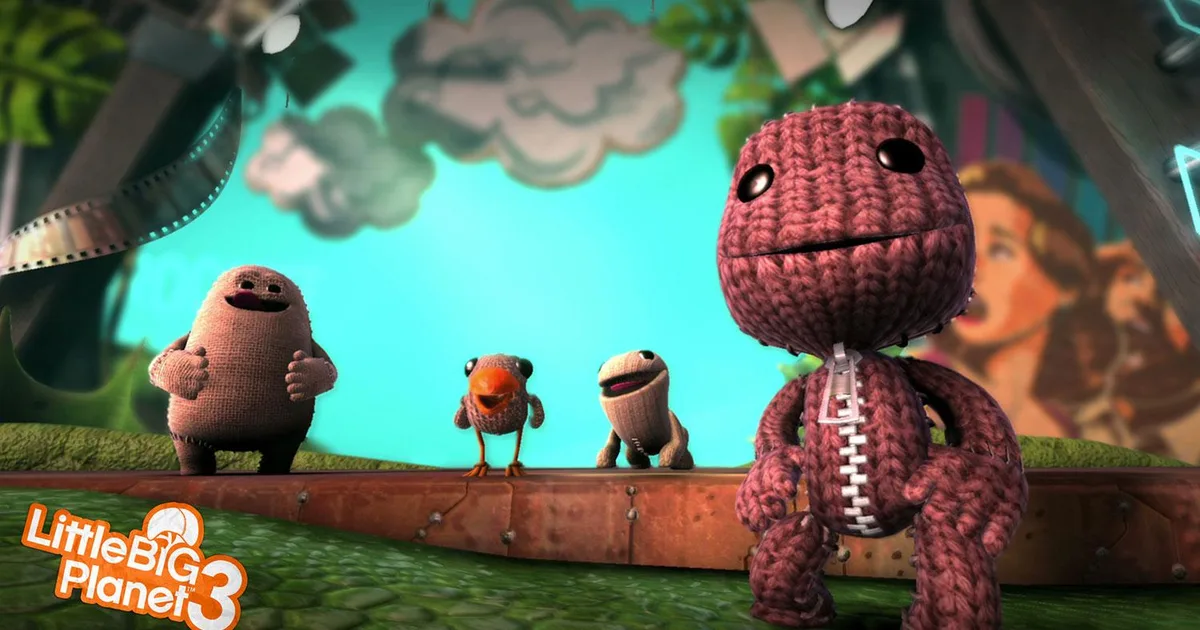
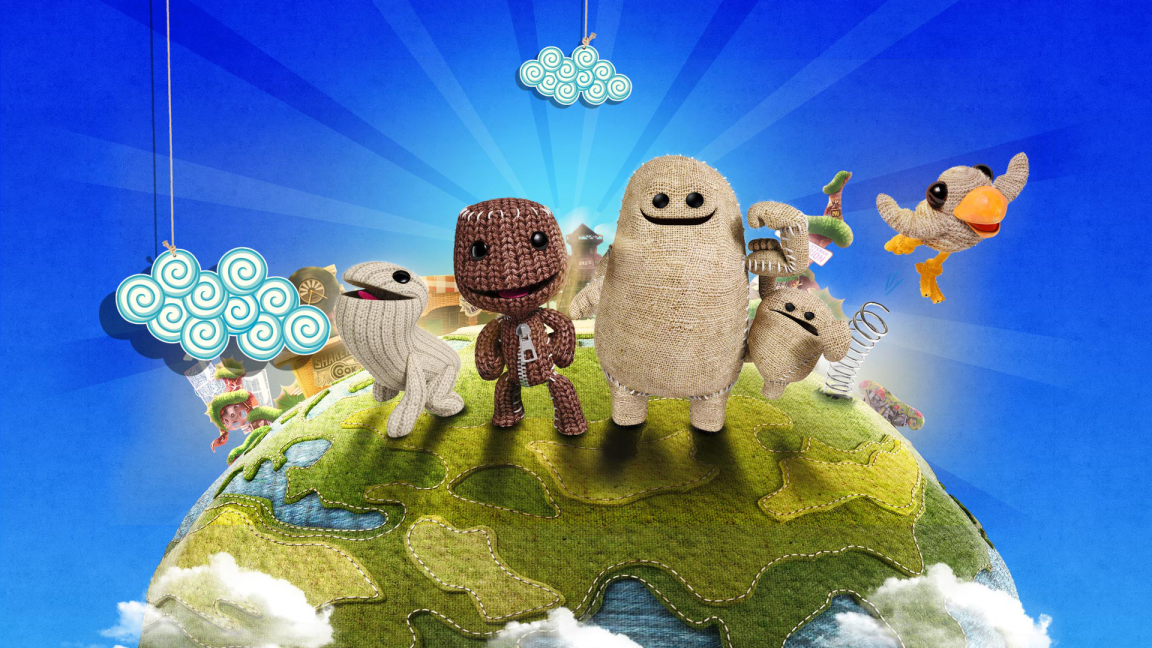
The series leaned into a handcrafted aesthetic. Fabrics, cardboard, felt, and stitched seams suggested that the world was assembled on a tabletop by a creative mind. This visual language did more than look charming. It set expectations. When a world looks handmade, players feel permitted to experiment, to patch things together, and to embrace imperfections.
That sense of permission lowered the barrier to creation. People who might have felt intimidated by complex editors found comfort in tools that looked like craft supplies. The game taught by example that creativity is allowed to be messy, iterative, and personal.
The Character That Became a Host
At the heart of the experience was a small, expressive host who guided players through whimsical stages. This character functioned less like a hero and more like a companion, a friendly presence that invited curiosity. The tone was gentle and playful, which softened the challenge of learning new systems.
The character’s design worked because it was neutral enough for players to project their own identity while still being distinct. This balance made the journey feel shared. You were not stepping into someone else’s epic saga. You were stepping into a creative space that welcomed your own ideas.
A Tone That Welcomed Everyone
The writing and presentation avoided cynicism. Humor was warm, not cutting. Instructions were framed as invitations. This tone mattered. It made the experience accessible to younger players without alienating adults. It also fostered a community culture that valued encouragement over competition.
When players share creations, tone becomes part of the design. A welcoming tone invites collaboration. It nudges people to remix ideas, to credit inspirations, and to build on each other’s work rather than gatekeep it.
Building as Play, Sharing as Reward
Creation alone can be satisfying, but sharing completes the loop. The platform’s sharing features turned personal experiments into communal experiences. A level built in a bedroom could become a favorite of thousands. Feedback loops emerged as players rated, commented, and remixed content.
This sharing culture changed how people thought about authorship. Creations were not static products. They were living designs that could evolve. Someone might take your puzzle and add a twist. Another might use your mechanic in a different genre. Credit and collaboration became informal norms, reinforcing the idea that creativity thrives when it circulates.
Emergent Genres and Player Innovation
Over time, the community developed its own genres. Platforming challenges grew into precision obstacle courses. Simple races evolved into elaborate time trials. Puzzle levels borrowed logic from real-world machines. Even narrative experiments emerged, with players staging scenes and telling short stories through interactive setups.
These emergent genres mattered because they demonstrated a core truth about creative platforms. When tools are flexible, players invent forms that designers did not predict. The best platforms leave room for this surprise. They provide boundaries without dictating outcomes.
Music, Mood, and Memory
Sound plays a quiet but powerful role in shaping memory. The series’ musical choices blended warmth with whimsy, giving levels an emotional contour. Gentle melodies made exploration feel safe. Upbeat rhythms energized action. The music did not dominate attention, but it lingered in memory.
Mood matters in creative spaces. When the atmosphere feels inviting, players linger longer. They try again after a failure. They tinker with a design rather than abandon it. The emotional design supported the mechanical design, reinforcing a cycle of curiosity and persistence.
How Mood Encourages Iteration
Iteration can be frustrating. Building something, watching it fail, and adjusting it takes patience. A supportive mood lowers the emotional cost of failure. When a level collapses or a contraption misfires, the response is often laughter rather than irritation. This emotional safety encourages experimentation.
Over time, players learn that failure is part of the process. That lesson travels beyond the game. It becomes a mindset about creative work in general, one that values learning through doing.
Design Lessons for Modern Creators
The influence of little big planet can be seen in many modern creative tools and games. The emphasis on approachable creation, playful physics, and community sharing has become a template. Designers today often talk about lowering barriers while preserving depth. This series demonstrated that you can invite beginners without flattening the experience for experts.
The lesson is not to copy mechanics, but to adopt principles. Tools should teach through play. Systems should be expressive. Sharing should be frictionless. Tone should welcome curiosity. When these principles align, a platform can grow beyond its initial scope.
Accessibility Without Simplification
Accessibility does not mean removing complexity. It means presenting complexity in digestible steps. The editors allowed players to start with simple placements and gradually explore wiring, logic, and motion. This gradient of learning respected different paces. People could stop at a comfortable level or push deeper into mastery.
This approach remains relevant. Creative tools that overwhelm users often fail to build a community. Those that guide users gently create space for diverse forms of expression.
The Community as a Living Archive
Over the years, countless levels were created, shared, and remixed. Together, they formed a living archive of playful ideas. Some creations were rough sketches. Others were polished experiences that rivaled official content. The value lay not only in individual works but in the collective imagination on display.
Communities create memory. They remember favorite creators, iconic levels, and clever mechanics. This shared memory becomes part of the platform’s identity. Even when official support fades, community stories keep the spirit alive.
Preservation and the Fragility of Digital Play
Creative platforms raise questions about preservation. Player-made content can be ephemeral, dependent on servers and systems that change. The disappearance of shared spaces risks erasing years of collaborative creativity. This fragility highlights a broader challenge in digital culture: how to preserve experiences that are participatory and evolving.
The legacy of these communities invites reflection on preservation as a design responsibility. When creation is central, the artifacts of that creation deserve care.
The Emotional Arc of Creative Play
There is a distinct emotional arc to creative play. It begins with curiosity, moves through confusion, arrives at small victories, and occasionally hits frustration. The best platforms support players through this arc. They celebrate small successes and normalize setbacks.
In this arc, little big planet stands out for how gently it shepherded players from consumers to creators. The transition was not framed as a leap but as a natural extension of play. You learned by touching, by dragging, by testing. Creation was not a separate mode. It was part of the same playful continuum.
From Player to Maker
The shift from player to maker changes how people see games. When you build a level, you begin to notice design choices in other games. You think about pacing, difficulty, and feedback. This awareness deepens appreciation for craft. It also empowers players to imagine themselves as creators beyond the game.
That empowerment is a quiet gift. It suggests that creativity is not reserved for professionals. It belongs to anyone willing to tinker.
Lasting Impact on Playful Design
The series did not just entertain. It modeled a philosophy of playful design that continues to influence creators. That philosophy values texture over polish, exploration over instruction, and community over isolation. It treats tools as toys and toys as tools.
This blend of play and craft is not easy to achieve. It requires trust in the audience. It requires designers to let go of control and accept that players will take systems in unexpected directions. When it works, the result is a culture of creativity rather than a single authored experience.
Why This Philosophy Still Matters
In an era of highly polished, content-heavy games, there is still hunger for spaces that invite making. Creative play nurtures skills that go beyond entertainment. It encourages problem-solving, collaboration, and self-expression. It turns leisure into a form of gentle learning.
The influence of little big planet reminds us that games can be studios, classrooms, and playgrounds at once. They can be places where people not only consume stories but tell their own.
Conclusion
The story of little big planet is ultimately a story about trust. It trusted players with tools, trusted them with space, and trusted them to surprise one another. That trust paid off in a vibrant culture of playful creation that reshaped expectations for what a game could be. Long after individual levels fade from memory, the deeper lesson remains. When design invites curiosity and community, play becomes a shared act of creation, and creation becomes a form of play.
FAQs
What is LittleBigPlanet about?
It is a creative platforming experience where players explore handcrafted stages and build their own levels using accessible creation tools. The focus is on playful problem-solving, experimentation, and sharing creations with others.
Why did the series become so influential?
It normalized player creation on consoles by offering intuitive tools, a friendly tone, and easy sharing. This lowered the barrier to entry and helped build a culture of remixing and collaborative creativity.
What makes the visual style stand out?
The handmade look of fabrics, cardboard, and stitched textures gives the worlds a tactile feel. This craft-like aesthetic invites experimentation and makes building feel approachable and fun.
How does community sharing enhance the experience?
Sharing turns personal ideas into communal play. Players discover, rate, and remix levels, which fuels creativity and keeps the experience fresh through constant new content.
FWhat lasting design lessons did the series leave?
It showed that tools can teach through play, that accessibility can coexist with depth, and that trusting players with creative freedom can grow a vibrant, long-lived community.
Also read: Ghost of Yotei: A Deep Dive into the PS5 Samurai Epic