

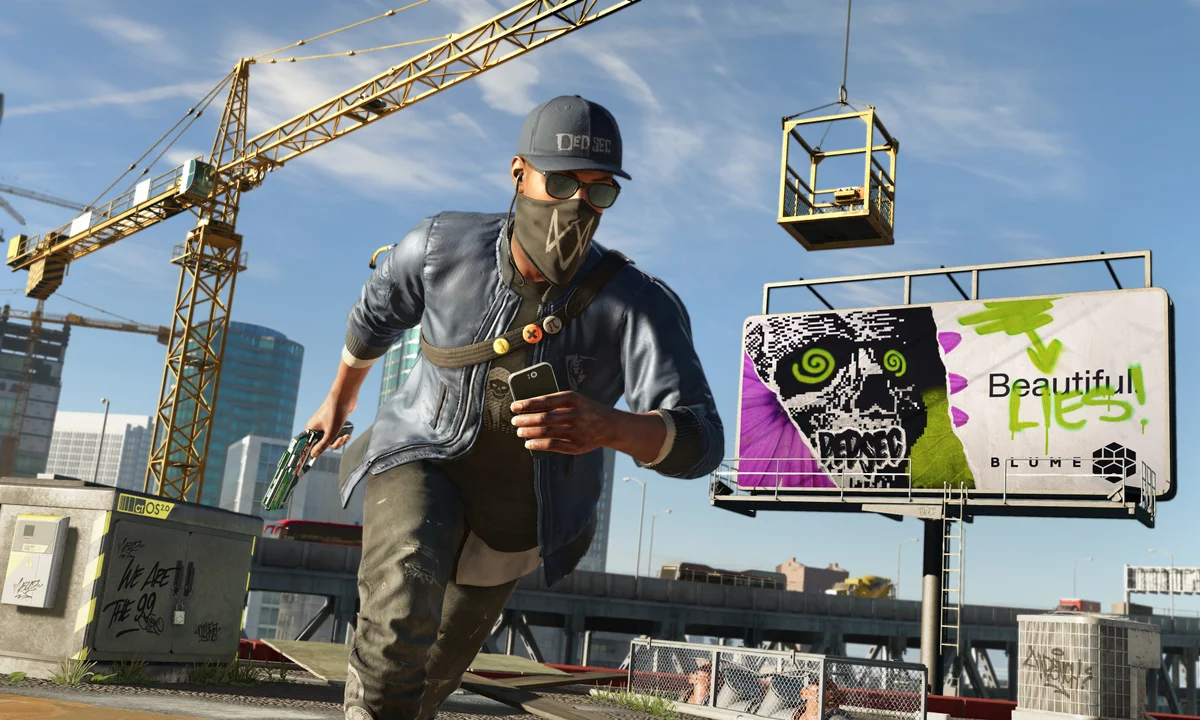
Open worlds work best when they feel like places rather than stages. Streets should hum with routine, neighborhoods should carry identity, and the city itself should feel like a character with moods and rhythms. In that sense, Watch Dogs 2 stands out as a playful rebellion set inside a living urban fabric. It invites curiosity, rewards observation, and frames technology not as cold machinery but as a social force shaping everyday life.
The experience leans into movement and improvisation. Players slip through crowds, drift across bridges, and weave between rooftops with a sense of lightness that contrasts with the weighty themes beneath the surface. Surveillance, data ownership, and digital power are not treated as distant abstractions. They appear in street-level details, in casual conversations, and in the texture of the city’s daily life. This blend of levity and critique gives the world a distinctive tone that lingers long after the final mission.
Watch Dogs 2 and the rhythm of modern urban play
Watch Dogs 2 as a city that listens and responds
The city in Watch Dogs 2 feels attentive. It reacts to movement, noise, and choice. Sirens draw attention. Pedestrians pause, flinch, or pull out phones. Traffic patterns shift. These small reactions build the illusion of a responsive environment where actions ripple outward. The result is a rhythm of play that encourages experimentation rather than rigid planning.
Neighborhood identity and atmosphere
Each district carries a different cadence. Waterfronts breathe openness. Dense downtown corridors compress movement and heighten tension. Hills invite vertical play, while quiet residential pockets slow the pace. This variety keeps traversal fresh and supports emergent stories that arise from simply moving through space.
Movement as expression
Movement becomes expression when the city is legible. Leaping between rooftops, sliding across railings, and slipping into alleys communicates confidence and curiosity. Fluid traversal reduces friction, allowing players to focus on reading the environment rather than wrestling with it. The city becomes a partner in play, not an obstacle.
Tone, humor, and the feel of a generation
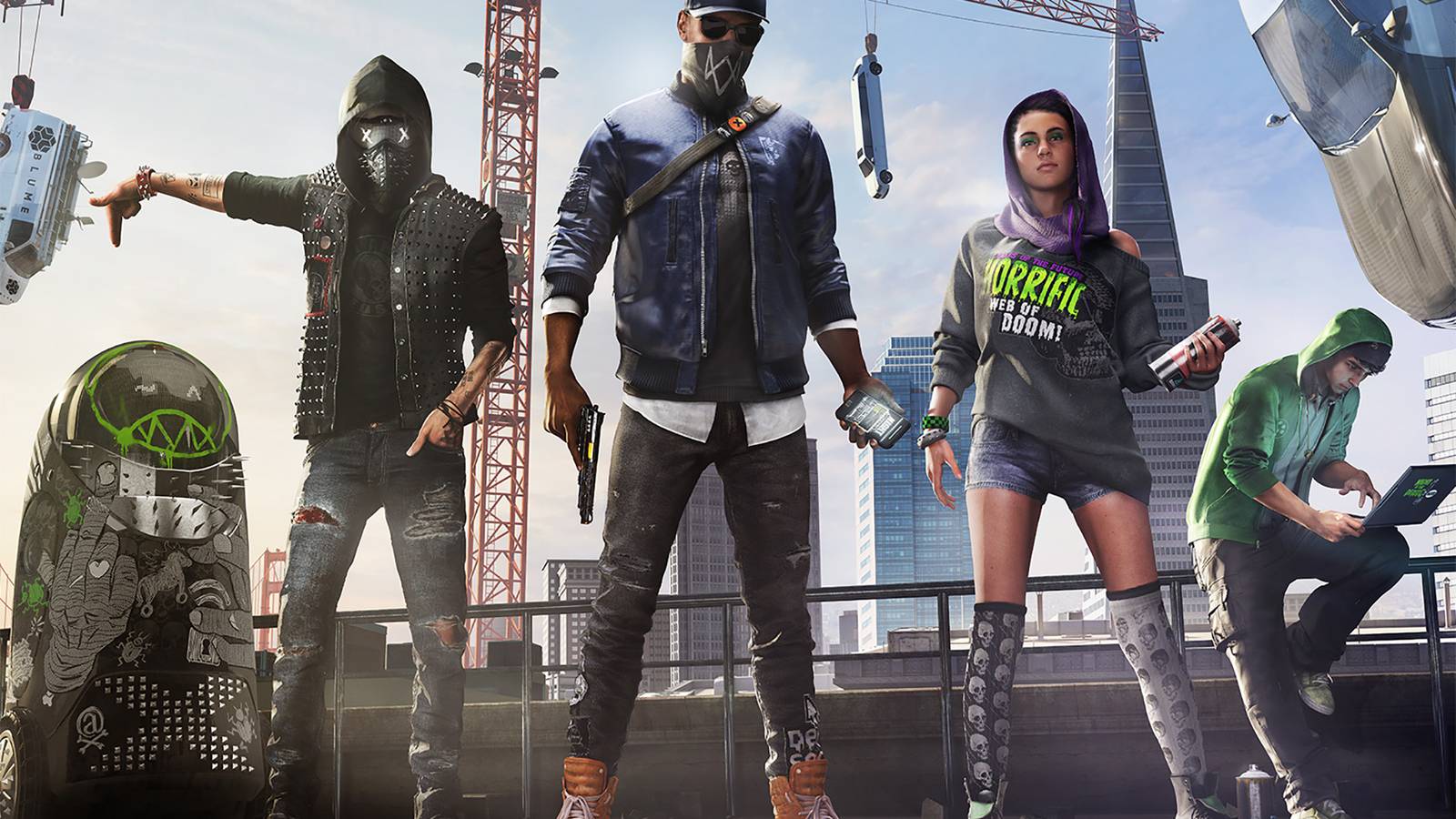
Tone shapes memory. A playful tone can soften heavy themes without trivializing them. The world carries humor in street art, overheard dialogue, and visual flourishes. This humor creates warmth and invites players to linger.
Humor with a point
Humor lands best when it carries insight. Satirical billboards and exaggerated tech culture moments nudge players to reflect on familiar dynamics. Laughter becomes a doorway to critique rather than a distraction from it.
Youthful energy and collective voice
The cast embodies a youthful energy rooted in collaboration. Conversations feel casual, sometimes messy, often earnest. That collective voice frames resistance as community rather than lone heroics. It invites players to imagine change as something built together.
Systems that encourage improvisation
Improvisation thrives when systems are flexible. The game’s tools reward creative sequencing rather than fixed solutions.
Tools as verbs, not just gadgets
Tools function as verbs. They invite action rather than prescribe outcomes. Opening paths, redirecting attention, and shaping encounters become expressive choices. This flexibility supports varied playstyles without forcing a single optimal path.
Playful problem solving
Problems rarely demand one answer. Players can observe patterns, test reactions, and pivot mid-plan. This encourages learning through doing. Success feels earned because it emerges from adaptation rather than memorization.
Environmental storytelling
Cities tell stories through texture. Graffiti, storefronts, and ambient sound design convey social context without explicit exposition.
Street-level detail
Street-level detail grounds the world. Conversations overheard at bus stops, musicians filling plazas, and subtle signage hint at lived-in routines. These details reward curiosity and create emotional texture.
Spaces that invite pause
Spaces that invite pause deepen immersion. Scenic overlooks, quiet courtyards, and tucked-away interiors offer moments to breathe. Pauses give weight to movement, reminding players that exploration is not only about speed.
Missions as social vignettes
Missions function as social vignettes. They frame larger themes through personal stakes and localized conflicts.
Stakes that feel personal
Personal stakes anchor abstract ideas. When a mission centers on protecting a community space or exposing everyday manipulation, consequences feel tangible. Players engage not just with mechanics, but with context.
Variety through scenario design
Scenario variety keeps momentum. Some missions emphasize stealth and observation. Others invite playful chaos. The alternation prevents fatigue and encourages players to approach each new challenge with fresh eyes.
The city as a co-creator of moments
Emergent moments arise when systems intersect. A minor choice can cascade into a memorable scene.
Unscripted stories
Unscripted stories stick. A chase that turns into an improvised parkour route. A distraction that sparks an unexpected chain reaction. These moments feel authored by the player’s instincts, even as the city quietly scaffolds them.
Risk and reward
Risk and reward shape emotion. Taking a bold route heightens tension. Escaping cleanly releases it. The city’s responsiveness amplifies these feelings, making each success feel situational rather than routine.
Sound, music, and the pulse of place
Sound design carries emotional weight. Music and ambient noise shape how spaces feel and how actions resonate.
A living soundscape
A living soundscape evolves with movement. Street noise fades into open air. Distant sirens punctuate quiet moments. These shifts maintain a sense of presence that keeps the world believable.
Music as mood setter
Music sets mood without dictating pace. It can energize traversal or soften reflection. When aligned with environment, music deepens the emotional contour of a journey through the city.
Player agency and ethical texture
Agency feels meaningful when choices carry texture. The game frames digital power as consequential without collapsing into moral absolutism.
Choice with consequence
Consequences appear in subtle reactions rather than overt punishments. Public attention, shifting patrol patterns, and altered access routes signal that actions matter. This feedback loop reinforces mindful play.
Reflection without didacticism
Reflection works best when it is invited rather than enforced. Situations prompt thought about data, visibility, and control without heavy-handed messaging. Players draw their own conclusions through experience.
Replayability through style
Replayability emerges from style. When systems support multiple approaches, each return feels distinct.
Approaches that evolve
Approaches evolve as players learn the city’s language. Early caution may give way to confident flow. Alternatively, players may pursue elegance over speed. Style becomes a personal signature.
Discovery as a renewable resource
Discovery renews interest. Hidden spaces, alternate routes, and emergent interactions ensure that familiarity does not flatten curiosity. Each playthrough reveals different facets of the same city.
Community reception and cultural footprint
Cultural footprint forms when a world resonates beyond its mechanics. The city’s portrayal, tone, and themes contribute to conversations about technology and public space.
Resonance through relatability
Relatability anchors resonance. When players recognize echoes of their own cities and digital habits, the fiction feels closer. This proximity sustains discussion and memory.
A snapshot of a moment
Games capture moments in cultural time. The portrayal of tech culture, urban activism, and networked life reflects a specific era. As time passes, the city becomes an artifact that preserves that snapshot with playful honesty.
Conclusion
Watch Dogs 2 endures because it treats the city as a collaborator rather than a backdrop. Movement becomes dialogue, tools become verbs, and humor opens space for reflection. The result is a living urban rhythm that invites improvisation and rewards curiosity. In returning to this world, players do not simply replay missions. They revisit a place that listens, responds, and offers room to find their own style of playful rebellion.
FAQs
What makes Watch Dogs 2 different from other open-world games?
It blends fluid traversal, responsive city systems, and playful tools that encourage improvisation, making the city feel like an active partner in gameplay.
Is the world designed for exploration beyond missions?
Yes. Districts have distinct rhythms, hidden routes, and ambient details that reward wandering and observation outside structured objectives.
How flexible is the approach to completing missions?
Missions support multiple styles. Players can choose stealth, distraction, creative sequencing of tools, or bold movement to shape outcomes.
Does the game’s tone balance fun with serious themes?
The tone uses humor and lightness to explore themes of surveillance and digital power without heavy-handed messaging, inviting reflection through play.
Is there strong replay value after finishing the story?
Replay value comes from varied approaches, emergent moments, and discovering new routes and interactions within the city’s systems.
Also read :Sprinter Game: A Fast-Paced Test of Skill, Focus, and Flow