

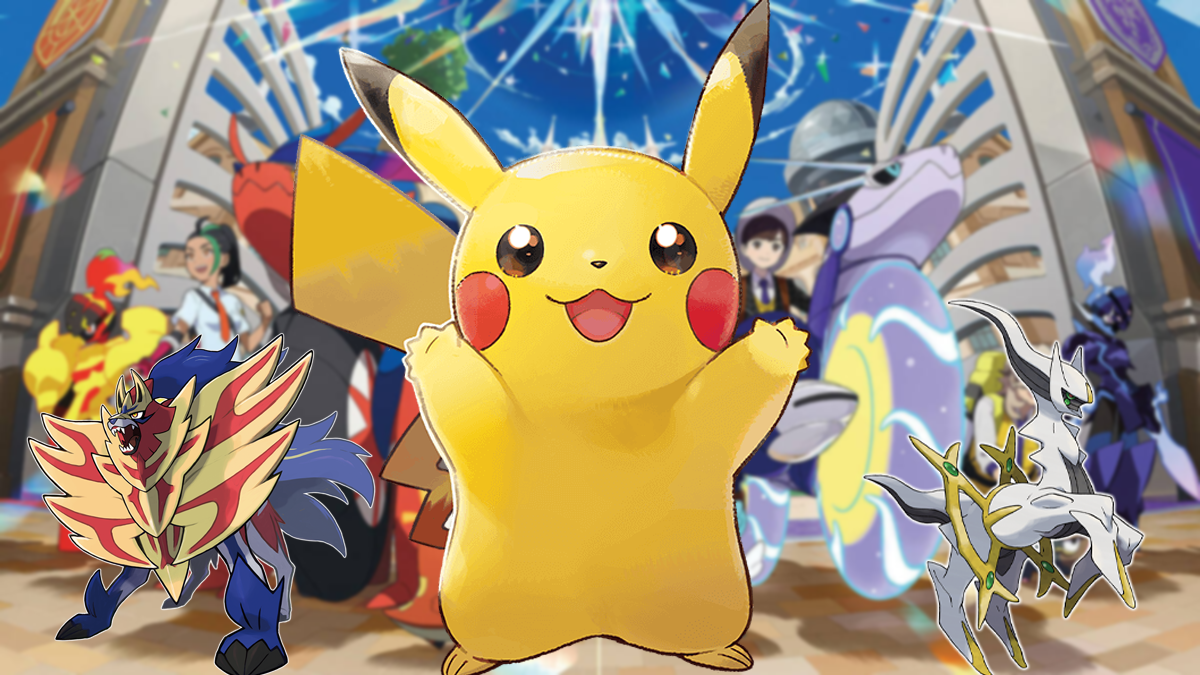
Few entertainment franchises have shaped global gaming culture the way Pokémon has. From its humble beginnings on handheld consoles to its current presence across multiple platforms, this universe has grown alongside its audience. What began as a simple concept built around exploration and collection has become a multi-generational experience that connects players through shared memories and evolving gameplay. At the heart of this phenomenon lies a series that balances nostalgia with innovation, inviting both longtime fans and newcomers into a world that feels endlessly alive.
The Evolution of Pokemon games
When the first titles were released, they introduced a fresh idea that felt instantly approachable. Players explored a colorful world, captured creatures, and built teams through strategy rather than reflexes. Over time, Pokemon games evolved in scope and complexity without losing their core identity. Each generation refined mechanics, expanded regions, and introduced new creatures that refreshed the experience while honoring what came before.
The transition from pixel-based graphics to three-dimensional worlds marked a turning point. Towns felt more immersive, environments more expressive, and battles more dynamic. Despite these changes, the essence remained familiar, preserving a sense of continuity that fans deeply value.
:quality(75)/2016_8_16_636069648836257156_thuat-ngu-trong-pokemon-go-cover.jpg)
The Core Gameplay That Never Loses Its Charm
At their foundation, these games revolve around exploration, discovery, and growth. Players begin with limited resources and knowledge, gradually building confidence as they travel from town to town. This structure creates a satisfying sense of progression that feels earned rather than rushed.
One reason Pokemon games remain engaging is the balance between simplicity and depth. Basic mechanics are easy to understand, yet mastering team composition, move selection, and type advantages requires thoughtful planning. This layered design allows players of all ages to enjoy the experience at their own pace.
A World Designed for Exploration
Regions That Feel Alive
Each region introduces its own culture, geography, and challenges. From coastal towns to snowy peaks, the environments encourage curiosity. Hidden paths, optional areas, and secrets reward players who take their time rather than rushing toward the final goal.
The sense of place is reinforced through music, architecture, and non-player characters who share stories about the world. These details transform regions from simple backdrops into living spaces that feel worth protecting and revisiting.
Characters Who Leave an Impression
Rivals, gym leaders, and companions provide emotional anchors throughout the journey. They challenge the player’s skills while also reflecting growth and rivalry in meaningful ways. These interactions add narrative texture without overwhelming the gameplay.
Over the years, character writing has become more nuanced, allowing relationships to develop naturally. This subtle storytelling helps players feel connected to the world beyond battles and objectives.
Strategic Depth Beneath a Friendly Surface
While the games appear lighthearted, there is remarkable strategic depth beneath the surface. Building a balanced team requires understanding strengths, weaknesses, and synergy. Every decision, from training methods to item usage, influences outcomes.
Competitive play has further expanded this depth. For many, Pokemon games are not just solo adventures but platforms for strategic competition. Battles become tests of prediction, adaptability, and long-term planning, elevating the experience far beyond casual play.
Innovation Without Losing Identity
New Mechanics That Refresh the Formula
Each generation introduces mechanics designed to keep gameplay feeling fresh. Some focus on battle dynamics, while others emphasize exploration or social interaction. Not all experiments resonate equally, but the willingness to innovate keeps the series from becoming stagnant.
These changes are often optional, allowing players to engage with new features at their comfort level. This design choice respects diverse playstyles and prevents innovation from feeling forced.
Technology and Accessibility
Advancements in hardware have allowed developers to enhance visuals, animations, and world design. Yet accessibility remains a priority. Tutorials are integrated smoothly, and difficulty curves are carefully managed to welcome newcomers without alienating veterans.
This balance contributes to the enduring appeal of Pokemon games, ensuring they remain approachable while still offering depth for those who seek it.
The Emotional Power of Collection
Collecting creatures is more than a gameplay mechanic. It taps into a fundamental human desire to discover, organize, and connect. Each creature has its own design, personality, and lore, encouraging emotional attachment.
For many players, certain companions become symbols of personal journeys. They represent moments of triumph, perseverance, and growth. This emotional resonance transforms collection from a checklist into a meaningful experience.
Multiplayer and Community Connection
Trading and Cooperation
From the beginning, the games encouraged interaction. Trading creatures fostered cooperation and social engagement, making progress feel communal rather than solitary. This feature strengthened friendships and created shared goals.
Modern iterations have expanded these systems, allowing players to connect across distances. Cooperative elements add a social layer that enhances replayability and long-term engagement.
Competitive Culture
Competitive battling has grown into a vibrant subculture. Tournaments, rankings, and community discussions push players to refine strategies and explore new approaches. This competitive scene keeps interest alive long after the main story ends.
For many, this aspect is where Pokemon games truly shine, offering endless possibilities for growth and mastery.
Storytelling That Grows With Its Audience
Early entries focused on simple narratives about exploration and self-improvement. Over time, stories have matured, exploring themes like responsibility, environmental balance, and the impact of ambition.
These narratives remain accessible to younger players while offering depth that resonates with older audiences. The ability to tell meaningful stories without sacrificing gameplay is a key strength of the series.
Cultural Impact Beyond Gaming
The influence of these titles extends far beyond consoles. They have shaped language, fashion, and popular culture worldwide. References appear in music, art, and everyday conversation, reflecting a shared cultural touchstone.
This widespread recognition reinforces the significance of Pokemon games as more than entertainment. They are a cultural bridge connecting generations through shared experiences and memories.
Why the Series Continues to Thrive
Longevity in gaming is rare, yet this franchise continues to flourish. Its success lies in understanding its audience and respecting its roots. Each new entry feels like a conversation between past and present, blending familiarity with fresh ideas.
Players return not only for new features but for the comfort of a world that feels like home. This emotional connection is difficult to replicate and explains the series’ enduring popularity.
Looking Ahead With Confidence
As technology and player expectations evolve, the future holds exciting possibilities. Expanding worlds, deeper interaction, and enhanced storytelling all point toward continued growth. Yet the core promise remains unchanged: an adventure driven by curiosity, strategy, and connection.
As long as that promise is honored, Pokemon games will continue to inspire imagination and bring players together.
A Lasting Legacy Worth Celebrating
The true achievement of this series lies in its ability to grow without losing its soul. Through decades of change, it has remained welcoming, thoughtful, and endlessly engaging. Each generation adds new layers while preserving the spirit that made the original journey so memorable.
In the end, the magic of Pokemon games is not just found in battles or collectibles. It lives in the moments of discovery, the friendships formed, and the quiet satisfaction of watching a journey unfold, one step at a time.
FAQs
What makes Pokémon games appealing to all age groups?
Pokémon games balance simple mechanics with deep strategy, allowing younger players to enjoy exploration while older players engage with complex team-building and competitive play.
How have Pokémon games changed over the years?
They have evolved through improved graphics, expanded worlds, new mechanics, and richer storytelling, while still preserving the core gameplay that fans recognize.
Are Pokémon games only about battles?
No, battles are just one part. Exploration, collection, story progression, character interaction, and strategic planning all play equally important roles.
Can Pokémon games be enjoyed without multiplayer features?
Yes, the main story and exploration are fully satisfying as solo experiences, with multiplayer options serving as an additional layer rather than a requirement.
Why do Pokémon games remain popular after so many years?
Their success comes from a strong emotional connection, consistent innovation, and a timeless formula that blends nostalgia with fresh experiences.
Also read :Hexa Sort: A Thoughtful Puzzle Experience That Rewards Logic and Patience