

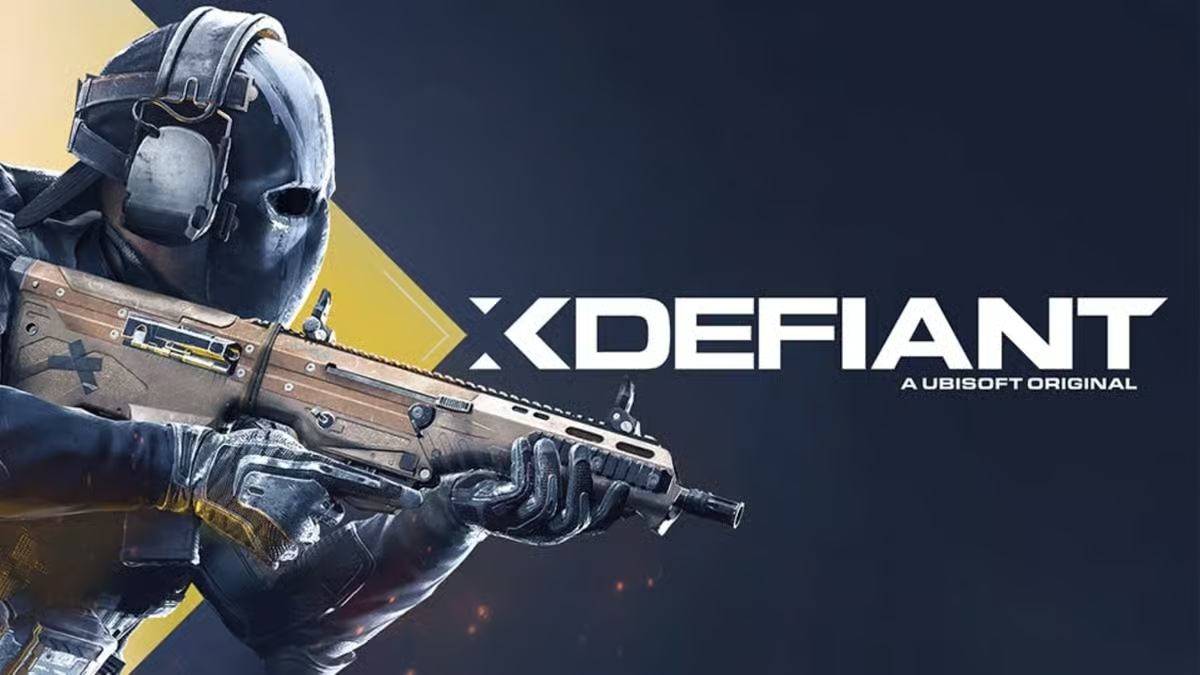
The modern multiplayer shooter landscape is crowded with titles chasing realism, massive maps, and complex progression systems. Amid this competition, a different approach has begun to stand out. One that values speed, clarity, and skill-forward combat over cinematic spectacle. This approach has attracted players who miss the sharp intensity of classic arena shooters but still want modern polish, strong identity, and long-term support.
That is where Ubisoft’s fast-paced arena shooter enters the conversation. Built around tight gunplay, faction-based abilities, and small competitive maps, it aims to revive the spirit of classic multiplayer shooters while adding a modern layer of strategy and style. Its design choices reflect a clear understanding of what competitive players crave: fairness, responsiveness, and meaningful mastery.
xdefiant game and Its Core Vision
The xdefiant game was created with a simple but ambitious goal: strip away unnecessary complexity and refocus multiplayer shooting on pure mechanical skill and tactical awareness. Rather than leaning into battle royale chaos or slow, cinematic pacing, it delivers fast matches where movement, aim, and positioning define success.
At its heart, the game is built around symmetrical competitive modes that reward consistency and learning. There is no reliance on random loot drops or overpowered equipment. Every player enters a match on equal footing, and victory is earned through execution rather than luck. This design philosophy immediately sets it apart from many modern shooters.
The absence of traditional skill-based matchmaking has also sparked conversation. Instead of rigidly balancing every lobby, the game allows a more organic skill distribution. This creates room for growth, challenge, and the thrill of outperforming stronger opponents, something many veteran players feel has been missing from recent releases.
Fast-Paced Gameplay That Rewards Precision
Movement and Gunplay
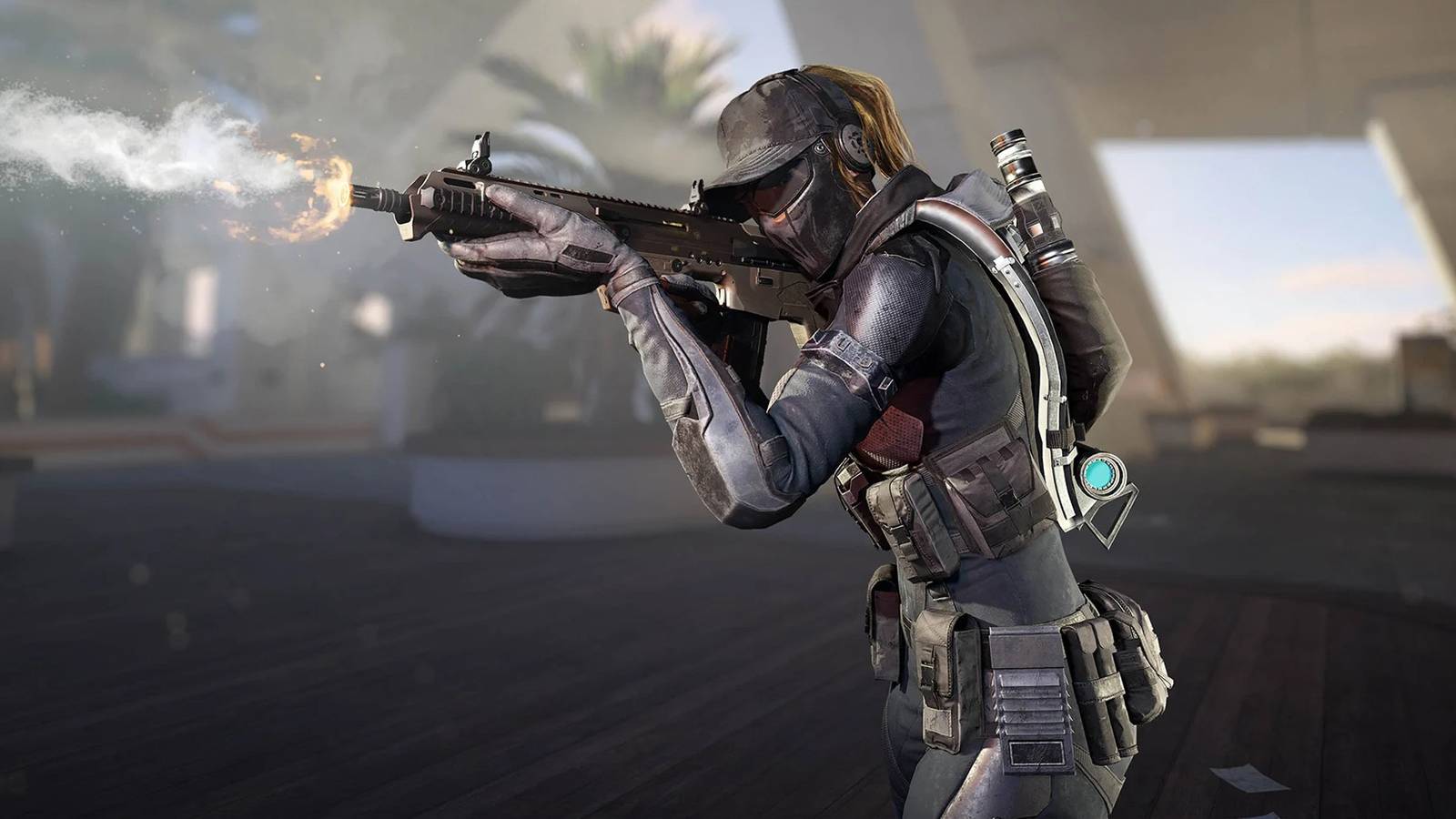
Movement is fluid and intentional, designed to support aggressive playstyles without becoming chaotic. Sprinting, sliding, and strafing all feel responsive, allowing players to chain actions smoothly. There is no excessive verticality or complicated traversal systems, which keeps combat grounded and readable.
Gunplay is where the experience truly shines. Weapons feel distinct, with recoil patterns and time-to-kill values that reward accuracy and decision-making. Players who master weapon control gain a clear advantage, reinforcing the idea that skill matters more than loadout gimmicks.
Time-to-Kill Balance
One of the most praised elements is the carefully tuned time-to-kill. It is fast enough to feel intense but slow enough to allow counterplay. This balance encourages smart positioning and teamwork rather than reckless rushing. Players have just enough time to react, reposition, or use abilities strategically.
Faction-Based Abilities Without Overpowering Combat
Rather than traditional classes, the game introduces factions inspired by familiar Ubisoft universes. Each faction brings a passive trait and an active ability, adding tactical depth without overshadowing gunplay.
Abilities are impactful but limited. Cooldowns ensure they are used thoughtfully rather than spammed. This keeps firefights focused on shooting skill while still allowing moments of tactical creativity. Choosing when to deploy an ability can turn the tide of a match, but poor timing can leave a player vulnerable.
This balance is a defining strength. In the xdefiant game, abilities complement gunplay instead of replacing it, which appeals strongly to players who prefer mechanical mastery over ability reliance.
Map Design Focused on Competitive Clarity
Maps are compact, three-lane inspired arenas designed to support constant engagement. Sightlines are clear, flank routes are intentional, and spawn locations are carefully considered to prevent frustration.
Each map encourages learning. Over time, players begin to recognize power positions, optimal rotations, and common engagement points. This knowledge rewards experience and reinforces the competitive loop. Matches feel faster as familiarity grows, creating a satisfying sense of progression that is not tied solely to unlocks.
Environmental storytelling exists, but it never distracts from gameplay. Visual clarity remains a priority, ensuring players can always read the battlefield and react accordingly.
Modes That Emphasize Teamplay
Objective-based modes form the backbone of the experience. Rather than focusing only on kill counts, success often depends on coordination and positioning. Holding zones, escorting objectives, and controlling space all require teamwork.
This design encourages communication and role awareness. Even highly skilled players must work with their team to secure victories. Lone-wolf playstyles can succeed momentarily, but consistent wins demand cooperation.
By emphasizing objectives, the xdefiant game avoids becoming a simple aim contest. It becomes a test of strategy, awareness, and adaptability.
Progression Without Pay-to-Win Pressure
Progression systems are intentionally restrained. Unlocks focus on cosmetic rewards and weapon attachments that offer sidegrades rather than direct power upgrades. This ensures new players are not at a severe disadvantage against veterans.
Weapons can be customized, but attachments are balanced carefully. No single setup dominates all situations. Players are encouraged to experiment and adapt based on playstyle and map design.
This approach builds trust. Players feel their time investment is respected, and victories feel earned rather than purchased.
Visual Identity and Audio Design
Visually, the game embraces a clean, colorful aesthetic that prioritizes readability. Characters are distinct without being distracting, and effects are clear without overwhelming the screen. This visual restraint supports competitive integrity.
Audio design plays an equally important role. Footsteps, weapon fire, and ability cues are all clearly defined. Sound becomes a valuable source of information, allowing attentive players to anticipate enemy movements and react accordingly.
The overall presentation reinforces the core philosophy: clarity over spectacle, function over flash.
Community Response and Competitive Potential
Since its early testing phases, community feedback has shaped development. Player concerns about balance, netcode, and matchmaking have been addressed openly, creating a sense of collaboration rather than distance.
Competitive players have shown strong interest. The emphasis on mechanical skill, consistent rulesets, and objective-based modes provides a solid foundation for ranked play and organized competition. With continued support, the title has the potential to grow into a respected competitive shooter.
The xdefiant game has also attracted content creators who appreciate its fast pacing and viewer-friendly action. Matches are easy to follow, making it well-suited for streaming and competitive broadcasts.
A Shooter Designed for the Long Run
Longevity depends on more than strong mechanics. It requires steady updates, thoughtful balance changes, and a clear vision. The developers have emphasized seasonal content, new factions, maps, and modes without disrupting the core experience.
By avoiding extreme shifts in design philosophy, the game protects its identity. Players can invest time learning mechanics without fear that the fundamentals will change dramatically.
This consistency builds loyalty. Players are more likely to return when they trust the direction of development.
Why the Game Resonates With Veteran Players
For players who grew up with classic arena shooters, the experience feels familiar yet refreshed. There is a sense of agency that comes from knowing every engagement is decided by positioning, aim, and decision-making.
The absence of excessive randomness restores a feeling of control. Losses feel like lessons rather than frustrations. Wins feel earned rather than accidental.
This emotional loop is powerful. It encourages improvement, practice, and long-term engagement.
Conclusion
In a genre often dominated by trends and monetization experiments, the xdefiant game stands out by committing to clarity, fairness, and skill-driven design. It respects players’ time, rewards mastery, and delivers fast-paced action without unnecessary distractions.
By blending classic arena shooter principles with modern polish, it offers something both nostalgic and forward-looking. For players seeking competitive integrity, responsive gameplay, and a community-driven experience, this title represents a confident step toward a more focused future for multiplayer shooters.
FAQs
What kind of game is XDefiant?
XDefiant is a fast-paced multiplayer arena shooter focused on skill-based gunplay, objective-driven modes, and competitive team combat.
Does XDefiant rely more on abilities or gun skill?
Gun skill is the foundation of gameplay. Faction abilities add tactical depth but are carefully balanced so shooting accuracy and positioning remain most important.
Is XDefiant suitable for competitive players?
Yes, the game is designed with competitive integrity in mind, offering clear maps, balanced weapons, and modes that reward teamwork and strategic play.
How does progression work in XDefiant?
Progression focuses on cosmetics and weapon customization without creating pay-to-win advantages, keeping matches fair for new and experienced players.
What makes XDefiant different from other shooters?
Its emphasis on fast movement, consistent time-to-kill, minimal randomness, and player skill sets it apart from many modern shooters.
Also read :Hunting in the Real World: How a Mobile Game Changed the Monster Hunter Now Experience