

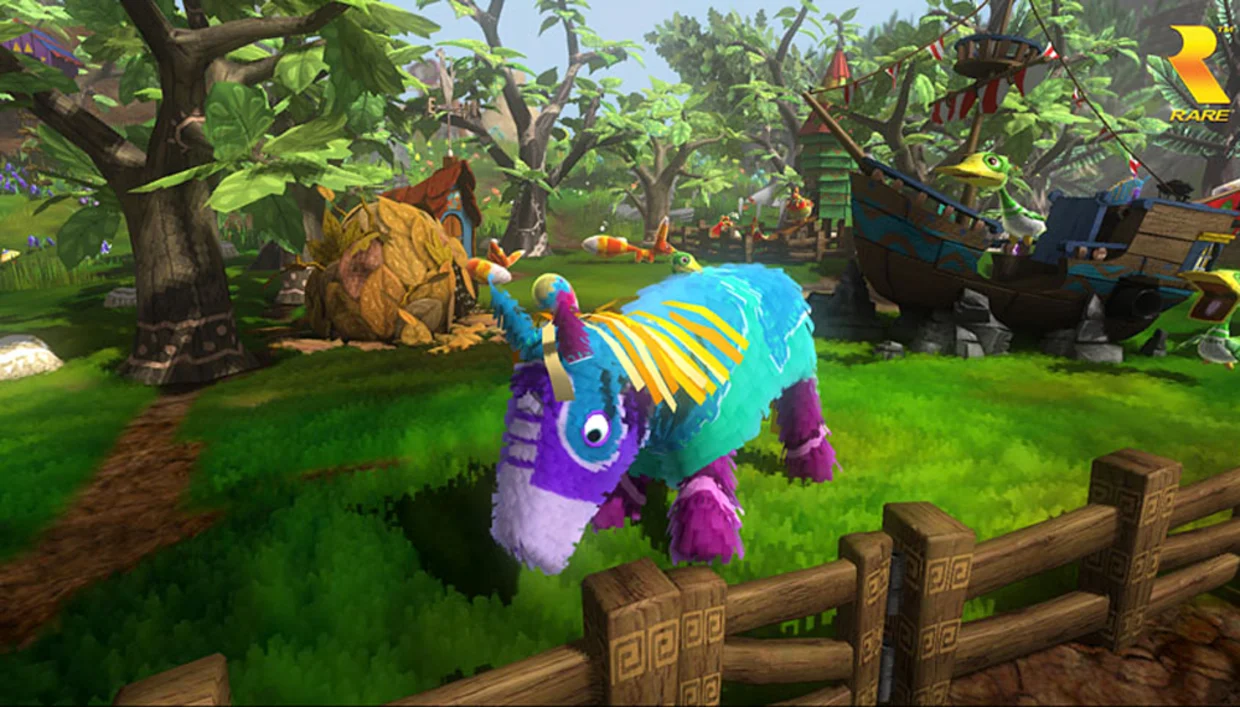
Few video games have managed to feel as gentle, imaginative, and quietly complex as Viva Piñata. On the surface, it looks playful and colorful, filled with cheerful creatures and bright landscapes. Yet beneath that charm lies a carefully designed experience that rewards patience, creativity, and emotional connection. This is not a game about speed or competition. It is about building a living space, learning its rhythms, and watching a world slowly come alive through your choices.
For many players, the game became a place of calm. It offered a retreat where progress felt personal rather than pressured, and success was measured in harmony rather than victory screens. That balance between simplicity and depth is what gave it lasting appeal.
The World of Viva Piñata
At its heart, Viva Piñata invites players into a neglected garden that slowly transforms into a thriving ecosystem. The player is not a hero or a conqueror, but a caretaker. Every action, from planting grass to digging a pond, shapes the environment and determines which creatures feel welcome.
This design choice shifts the focus away from control and toward coexistence. The garden reacts to attention, but it also resists neglect. It feels alive because it behaves like a living system rather than a static level.
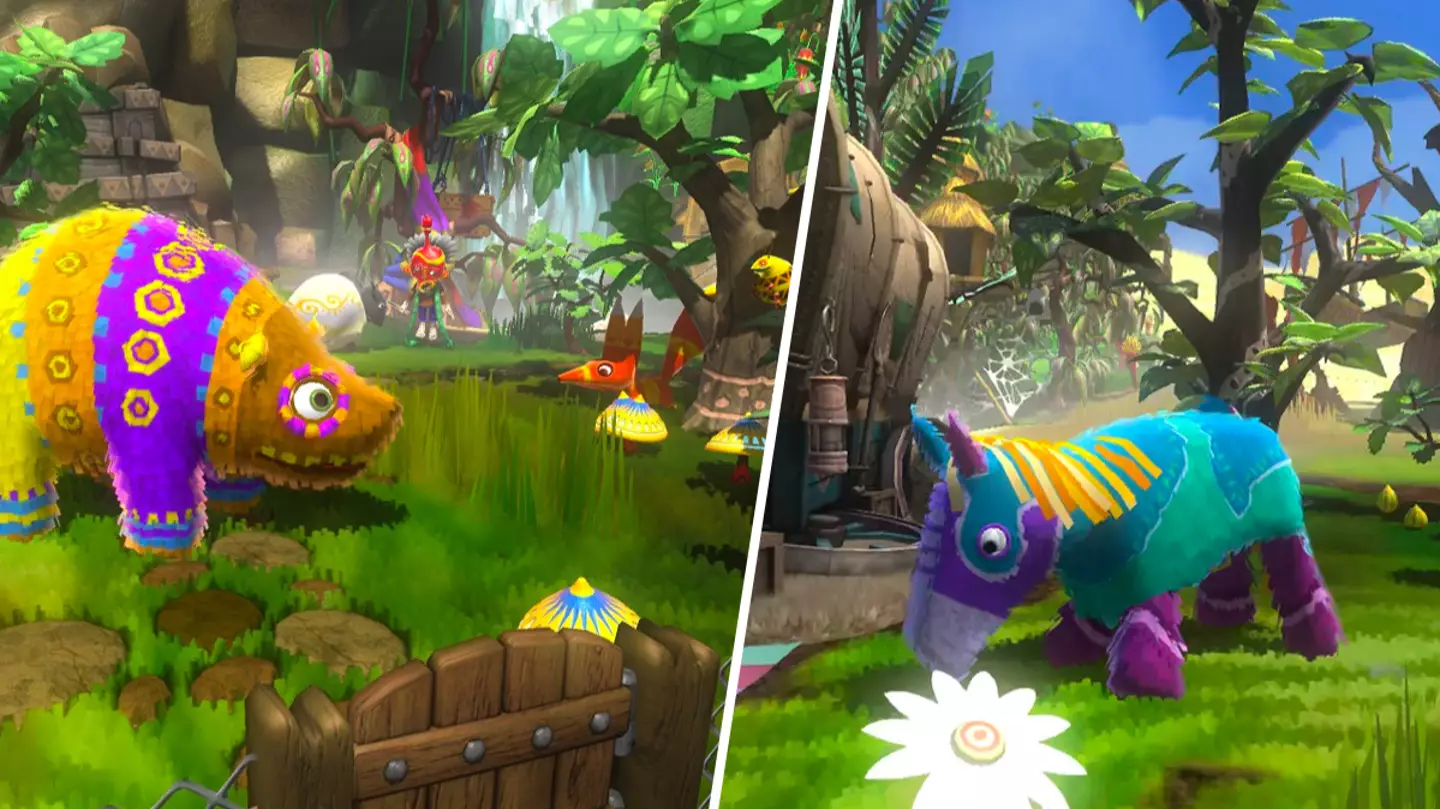
A garden with personality
Each garden begins as an empty canvas. Over time, it develops character. Wild plants grow, soil changes texture, and water reshapes the land. The environment becomes a reflection of the player’s decisions.
This sense of authorship is subtle. There are no rigid objectives forcing a specific outcome. Instead, the garden evolves naturally, creating a strong emotional bond between player and space.
Creatures that feel alive
The piñata creatures are not mere collectibles. They have behaviors, preferences, and conflicts. Some are shy and require careful preparation before they appear. Others are aggressive and disrupt harmony if not managed thoughtfully.
Watching these creatures interact gives the world depth. It feels less like managing assets and more like observing wildlife in a carefully balanced habitat.
Gameplay built on patience and curiosity
The pace of the game is deliberately slow. Progress unfolds through observation and experimentation rather than quick reactions. This design encourages players to pay attention to small details.
Success comes from understanding patterns. Which plants attract which creatures. How terrain influences movement. How balance prevents chaos. These systems reward curiosity and thoughtful play.
Learning through observation
There is no rush to master everything at once. The game gently teaches its rules through cause and effect. A new plant might attract an unexpected visitor. A small change in layout can transform the entire garden.
This method of learning feels organic. Players are not overwhelmed by instructions. Instead, they discover mechanics through play, making each insight feel earned.
Managing conflict without combat
Conflict exists, but it is rarely resolved through force. Predatory creatures may threaten others, requiring the player to redesign space or adjust population balance.
This approach reinforces the theme of stewardship. Problems are solved through planning and care rather than aggression, aligning mechanics with the game’s tone.
A visual style that invites comfort
The visual design plays a crucial role in shaping the experience. Colors are vibrant but not harsh. Shapes are rounded and expressive. Every element feels designed to invite rather than intimidate.
This aesthetic choice makes the world approachable for players of all ages while still offering enough detail to hold long-term interest.
Sound as emotional texture
Music and sound effects contribute to the sense of calm. Background melodies are gentle and adaptive, changing subtly as the garden evolves. Creature sounds are playful but distinct, giving each species its own presence.
Together, these elements create an atmosphere that feels safe and welcoming, encouraging long play sessions without fatigue.
A world that feels hand-crafted
Despite procedural elements, the garden never feels random. Every animation, sound, and interaction appears intentional. This gives the impression of a world crafted with care rather than assembled mechanically.
That craftsmanship is a major reason the game remains memorable years after release.
Why the experience resonated so deeply
The appeal of Viva Piñata goes beyond mechanics. It offered an emotional experience that contrasted sharply with many mainstream games of its time. Instead of adrenaline, it delivered satisfaction through nurturing and growth.
Players were encouraged to take pride in small achievements. Attracting a rare creature or restoring balance felt meaningful because it required understanding rather than reflex.
Accessibility without simplicity
While easy to approach, the game never feels shallow. Systems interlock in ways that reveal greater depth over time. This balance allowed both casual and dedicated players to find enjoyment.
The lack of pressure made it inviting, but the complexity ensured long-term engagement.
A safe space for creativity
There is no single correct way to build a garden. Players are free to experiment, redesign, and even fail without penalty. This freedom fosters creativity and personal expression.
Each garden becomes unique, shaped by individual preferences and problem-solving styles.
Cultural impact and lasting legacy
Though not always at the center of gaming conversations, the title left a lasting impression. It demonstrated that games could succeed without relying on violence or competition.
Its influence can be seen in later life-simulation and management games that emphasize care, balance, and emotional connection.
A different definition of success
Commercial success is only one measure of impact. The game’s real legacy lies in the memories it created. Many players remember it as a place they returned to for relaxation and joy.
That emotional resonance is rare and valuable, especially in a medium often associated with intensity.
Community appreciation over time
Years later, fans still discuss gardens they built and creatures they nurtured. This ongoing affection speaks to the strength of the core design.
The world continues to feel relevant because its themes are timeless.
Reflection on its place in gaming history
Looking back, Viva Piñata stands as a reminder that innovation does not always require complexity or spectacle. Sometimes, it emerges from restraint and focus.
By centering play around care and observation, the game carved out a unique identity. It showed that meaningful interaction can arise from quiet systems working in harmony.
Conclusion
In the end, Viva Piñata remains special because it trusted players to slow down. It offered a living garden instead of a battlefield, curiosity instead of urgency, and connection instead of conquest. Its world rewarded patience and kindness, leaving players with a sense of calm accomplishment. That gentle philosophy is what allows the experience to endure, standing as a quiet classic in the broader landscape of video games.
FAQs
What type of game is Viva Piñata?
It is a life-simulation and garden management game focused on nurturing an ecosystem, attracting creatures, and maintaining balance rather than competition or combat.
Why do players find the game so relaxing?
The slow pace, gentle music, colorful visuals, and lack of pressure create a calming experience where progress comes through patience and care.
Is the game suitable for all ages?
Yes, its accessible design and friendly presentation make it enjoyable for younger players, while its layered systems and strategy appeal to adults as well.
What makes the creatures unique in the game?
Each creature has specific needs, behaviors, and interactions, making them feel alive and encouraging players to understand rather than simply collect them.
Why is Viva Piñata still remembered fondly today?
Its emphasis on creativity, emotional connection, and peaceful gameplay set it apart, leaving lasting memories and a strong sense of nostalgia for many players.
Also read :Forza Horizon 6: The Next Evolution of Open-World Racing Freedom