

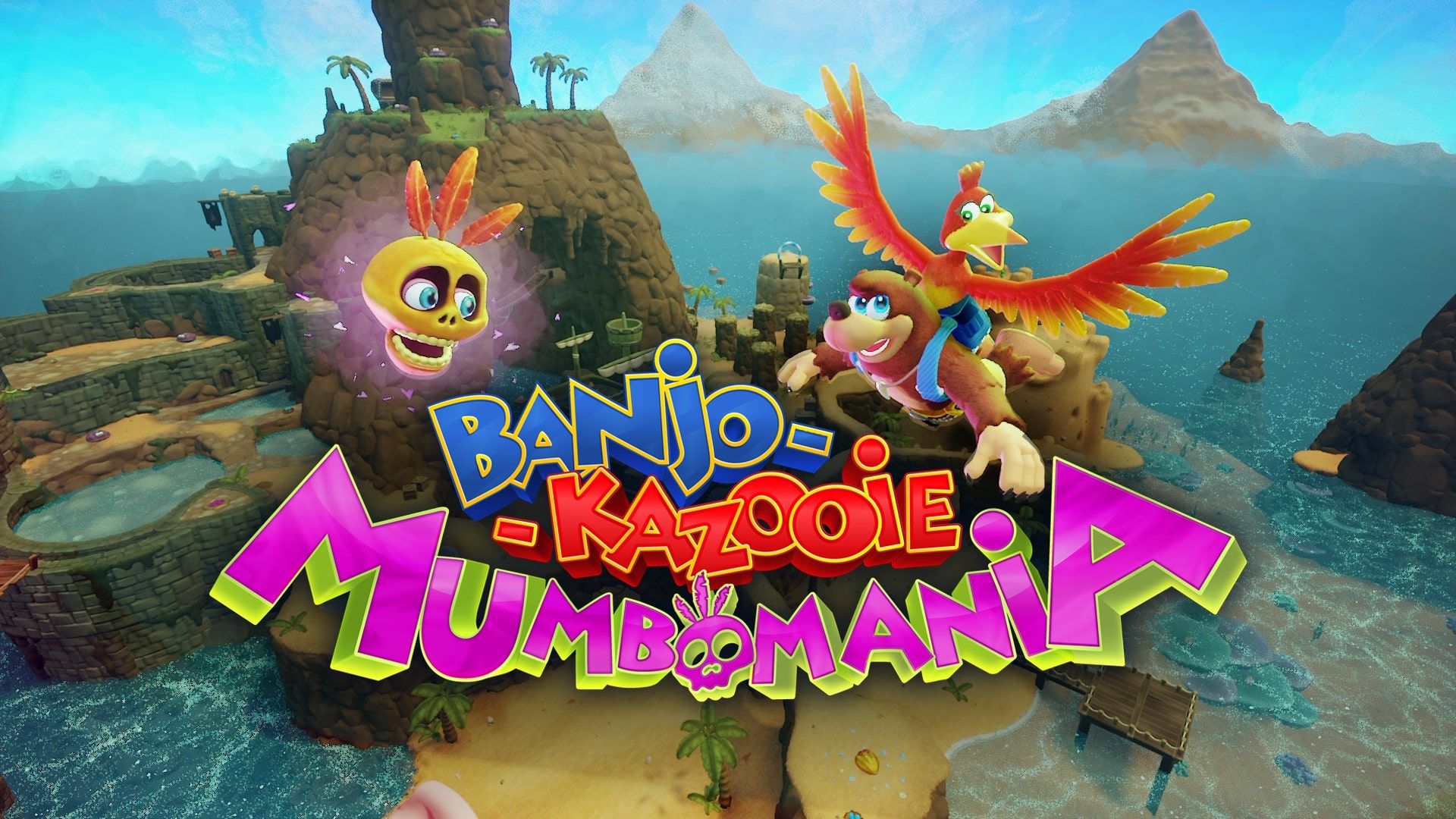
Few games manage to feel playful, clever, and emotionally warm decades after their debut, and banjo kazooie stands firmly in that rare category. Released during a period when 3D worlds were still being discovered, the game offered players a sense of freedom and personality that felt genuinely new. Its charm did not rely on spectacle alone; instead, it blended expressive characters, thoughtful level design, and a musical identity that lingered long after the console was switched off.
From its opening moments, the experience invites curiosity. The world feels handcrafted rather than procedurally assembled, and every area seems to smile back at the player. This article explores how that spirit was created, why it mattered then, and why it continues to resonate today.
Origins of a New Kind of Platformer
The late 1990s were a turning point for console gaming. Developers were learning how to translate classic side-scrolling mechanics into fully explorable 3D spaces. Many attempts were technically impressive but emotionally flat. What set this title apart was its confidence in tone. It did not rush to prove realism or intensity; it embraced humor, rhythm, and character expression.
Developed by the British studio Rare, the game arrived on the Nintendo 64 at a time when players were hungry for expansive adventures. Instead of focusing on speed or combat, it emphasized discovery. Players were rewarded not just for reaching the end of a level, but for noticing its details.
This design philosophy created an experience that felt welcoming to newcomers while still offering depth for dedicated players.
World Design in banjo kazooie
One of the most striking elements of banjo kazooie is how its worlds are structured. Rather than isolated stages, the game presents a central hub that gradually opens into themed realms. Each world feels distinct, not only in visuals but in mood. Snowy peaks feel quiet and reflective, while swampy regions lean into humor and mild chaos.
The layouts encourage exploration without overwhelming the player. Paths loop back on themselves, secrets are hinted at visually, and vertical spaces invite experimentation. Importantly, the game trusts players to learn through play rather than instruction. Abilities are introduced naturally, often through playful encounters rather than tutorials.
Characters That Feel Alive
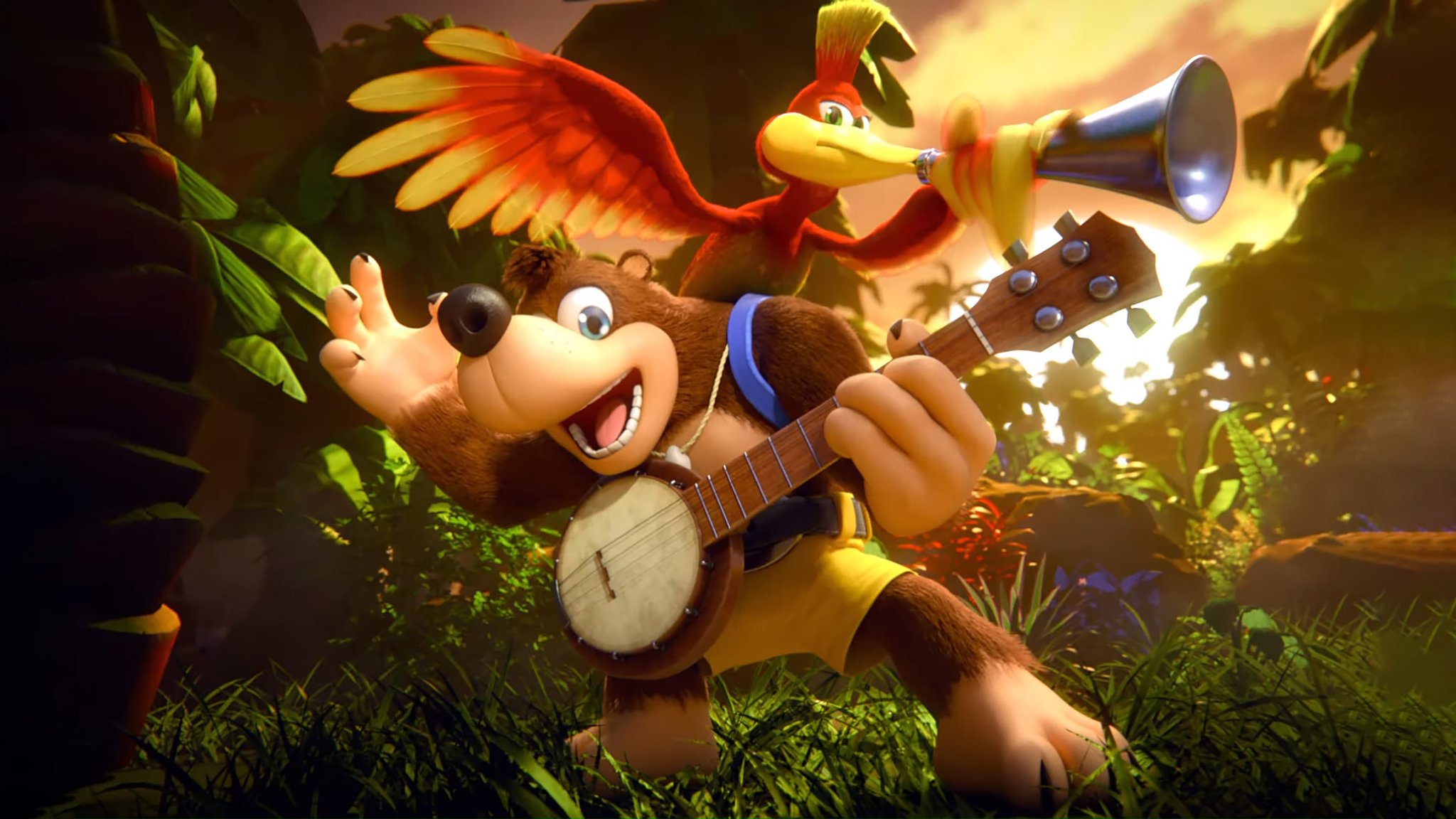
Characters are the heart of the experience. The protagonists communicate through expressive animations and exaggerated sounds, making them instantly recognizable. Supporting characters, from friendly helpers to quirky antagonists, feel like residents of a living world rather than obstacles to overcome.
Dialogue is brief but memorable. Instead of long text boxes, personality is conveyed through timing, sound, and movement. This approach keeps the pacing light while ensuring that every interaction leaves an impression.
A Villain With Personality
The central antagonist is more than a goal to defeat. She mocks the player, reacts to progress, and feels present throughout the journey. This constant reminder of the stakes gives the adventure a narrative thread without forcing cutscenes or exposition.
By weaving the villain into the structure of the game, the designers created motivation that felt organic rather than imposed.
Music That Shapes Memory
If visuals draw players in, music makes them stay. The soundtrack is often cited as one of the most adaptive and memorable in gaming history. Themes evolve as players move through environments, subtly changing instrumentation or tempo to reflect location and action.
This dynamic approach does more than sound impressive. It reinforces immersion. When a melody shifts as you enter water or climb a tower, it creates an unconscious connection between movement and sound. Years later, a single tune can still summon vivid memories of exploration.
The music also reinforces tone. Lighthearted tracks support the humor, while quieter melodies give space for reflection. The result is a soundscape that feels inseparable from the world itself.
Gameplay That Rewards Curiosity
At its core, the gameplay loop is simple: explore, collect, and progress. What makes it special is how those elements are balanced. Collectibles are not scattered randomly; they are placed to guide the player’s eye and encourage experimentation. Each successful discovery feels earned rather than obligatory.
Abilities are layered thoughtfully. Early skills remain useful throughout the game, while new moves expand possibilities instead of replacing old ones. This design choice keeps earlier areas relevant and reinforces a sense of mastery.
The game also respects the player’s time. Challenges are varied, rarely repeating the same idea too often. When difficulty increases, it does so by combining familiar mechanics in new ways rather than introducing sudden complexity.
Cultural Impact and Legacy
Over the years, banjo kazooie has become a reference point in discussions about classic game design. It represents a moment when creativity and restraint met perfectly. Developers often cite it as an influence, not because of its technical features, but because of its clarity of vision.
The game’s characters have remained recognizable across generations, appearing in discussions, retrospectives, and broader gaming culture. This lasting presence speaks to the strength of its identity. It did not chase trends; it created its own.
Influence on Modern Design
Modern platformers often echo its principles: open-ended levels, playful communication, and mechanics that reward observation. While technology has advanced dramatically, the core ideas remain relevant. Players still value worlds that feel intentional and systems that encourage exploration rather than obligation.
The game’s success also demonstrated that humor and warmth could coexist with challenge. It proved that a game did not need darkness or realism to be taken seriously.
Why the Experience Still Feels Fresh
Returning to banjo kazooie today reveals how carefully it was crafted. The pacing remains comfortable, the controls responsive, and the objectives clear. There is little friction between intention and action, which is why new players can still enjoy it without nostalgia.
The art style, deliberately stylized rather than realistic, has aged gracefully. Colors remain vibrant, and character designs feel timeless. This visual clarity ensures that the game communicates effectively even by modern standards.
Perhaps most importantly, the game maintains a sense of joy. It invites smiles, encourages experimentation, and rarely punishes failure harshly. That emotional accessibility is what allows it to cross generational boundaries.
A Lasting Adventure
In the crowded history of video games, banjo kazooie stands as a reminder of what happens when design, music, and personality align perfectly. It is not just remembered because it was popular, but because it was thoughtful. Every element serves the player’s sense of discovery and delight.
As gaming continues to evolve, this classic adventure remains a benchmark for how to create worlds that feel alive and inviting. Its legacy endures not through nostalgia alone, but through principles that continue to inspire developers and players a like.
FAQs
What makes this game different from other 3D platformers?
Its strength lies in personality and balance. Exploration, humor, and level design work together so the experience feels playful rather than overwhelming, even for new players.
Is the game still enjoyable for first-time players today?
Yes. The controls are intuitive, the worlds are clearly designed, and the art style has aged well, making it accessible even without nostalgia.
Why is the music often praised so highly?
The soundtrack adapts dynamically as you move through environments, creating a strong emotional link between gameplay and sound that stays memorable long after playing.
Did it influence later games?
Many modern platformers borrow its ideas, especially open-ended levels, character-driven storytelling, and rewarding exploration over strict linear progression.
What is the lasting legacy of the game?
It is remembered as a benchmark for creative, joyful design, proving that charm, clarity, and thoughtful mechanics can leave a long-term impact on gaming culture.
Also read :Tomb Raider: A Timeless Adventure That Redefined Gaming Storytelling