
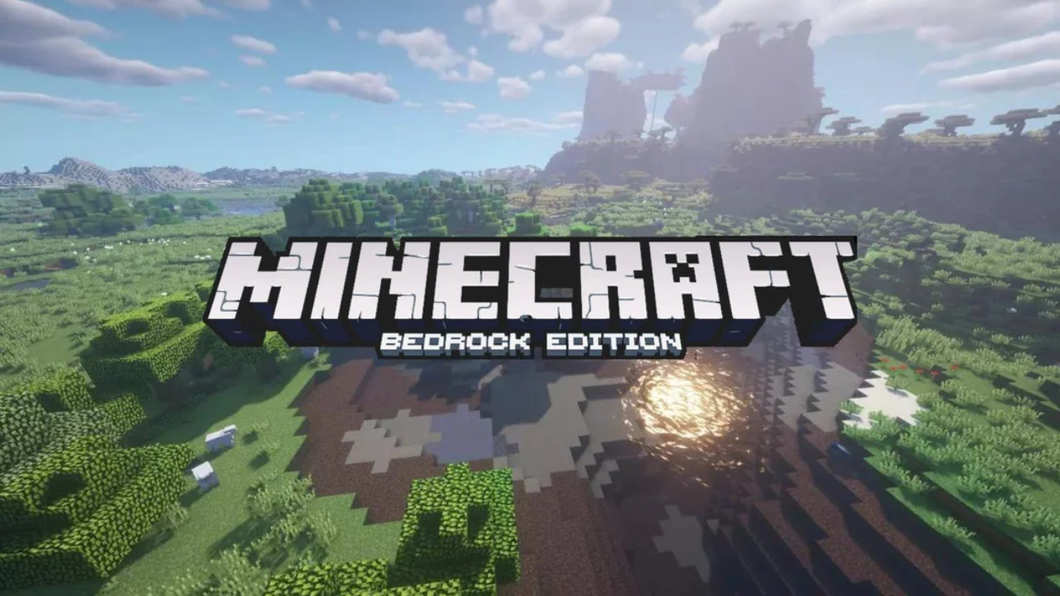
Few games have redefined the boundaries of creativity and imagination like Minecraft Bedrock. It’s not just a version of the popular block-building universe—it’s a living, breathing world where boundaries between devices and players disappear. From seasoned builders to curious newcomers, Minecraft Bedrock welcomes everyone into a limitless sandbox where ideas come to life, adventures unfold, and communities grow stronger with every crafted block.
But what truly makes it special? What separates it from other versions, and why has it become a cultural cornerstone in gaming? Let’s journey deep into the heart of Minecraft Bedrock, explore its origins, its unique magic, and why it remains one of the most influential digital playgrounds of our time.
The Origins of a Digital Phenomenon
To understand the essence of Minecraft Bedrock, we need to go back to where it all began. In 2009, Markus “Notch” Persson created the original version of Minecraft, which quickly evolved into a global sensation. The game’s early “Java Edition” became a symbol of endless creativity, offering players a world that was both simple and infinitely complex.
Yet, as technology evolved, one major challenge appeared: accessibility. The Java Edition, though powerful, was limited to PCs and specific hardware. Players on consoles, mobile devices, or tablets couldn’t connect or share experiences seamlessly. That’s where the Bedrock Edition came in—a reimagined version designed to unify the player base across platforms.
Bedrock was not just a technical update; it was a reinvention. It represented a philosophy: everyone can play together, everywhere.
The Evolution and Power of minecraft bedrock
Unlike its predecessor, minecraft bedrock was built with cross-platform gameplay at its core. Whether you’re playing on a PC, Xbox, PlayStation, Nintendo Switch, or smartphone, the Bedrock Edition ensures one shared universe. It’s a marvel of game design that connects players globally, breaking down the walls that once divided them.
This inclusivity has made Minecraft more than just a game—it’s a community. Families can now play together regardless of their devices, classrooms can collaborate in educational projects, and builders from around the world can share creations without technical barriers.
A Unified Experience
One of the most significant achievements of Minecraft Bedrock is its “Better Together” philosophy. By aligning gameplay mechanics across platforms, it created a universal experience. Players on a tablet can explore the same vast biomes as someone using a console or VR headset.
This connectivity transformed the game from a personal journey into a shared adventure. Villages, fortresses, and dreamlike cities became collaborative projects rather than solo endeavors. It made creativity social—and that changed everything.
Performance and Optimization
Technically, Bedrock runs smoother than the Java Edition on most systems. Its engine is written in C++, allowing for better performance, especially on mobile and console platforms. Load times are shorter, and gameplay feels fluid, even in massive worlds filled with complex structures and redstone contraptions.
For builders who care about precision and speed, this stability is a game-changer. It allows imagination to flow freely without worrying about frame drops or lag. It’s the kind of silent brilliance that keeps players immersed for hours without realizing how much time has passed.
Creativity Without Limits
At its core, Minecraft Bedrock remains true to what made the franchise legendary—freedom. There’s no single way to play. You can be an architect designing cities that touch the clouds, an explorer venturing through caves and strongholds, or a storyteller weaving adventures with friends.
The beauty of Bedrock lies in its accessibility. Its user-friendly interface and compatibility make it perfect for younger audiences, while still offering depth and complexity for veteran players. The infinite world generation, diverse biomes, and the potential to shape every block around you make it an endless canvas.
Building Worlds, Sharing Dreams
Every block placed in Bedrock carries intention. It’s not just about construction—it’s about expression. Players recreate famous landmarks, craft intricate redstone machines, and build servers that mimic entire economies.
Communities thrive within these digital landscapes. Some focus on creative design, while others emphasize survival or adventure gameplay. Each server tells a story, written collaboratively by thousands of hands around the world.
That’s the power of Minecraft Bedrock—it turns every player into both artist and author.
The Role of Redstone and Customization
Redstone is the heartbeat of Minecraft engineering. In Bedrock, it retains its complexity but runs more efficiently, allowing for massive machines and automated systems. From hidden doors to fully functional calculators, the creativity of the community knows no bounds.
Customization is also central to the experience. With Bedrock’s marketplace, players can purchase or create skins, texture packs, and custom worlds. This personalization gives everyone a sense of ownership and identity. Each player’s version of Minecraft feels distinctly their own.
The Social and Educational Impact
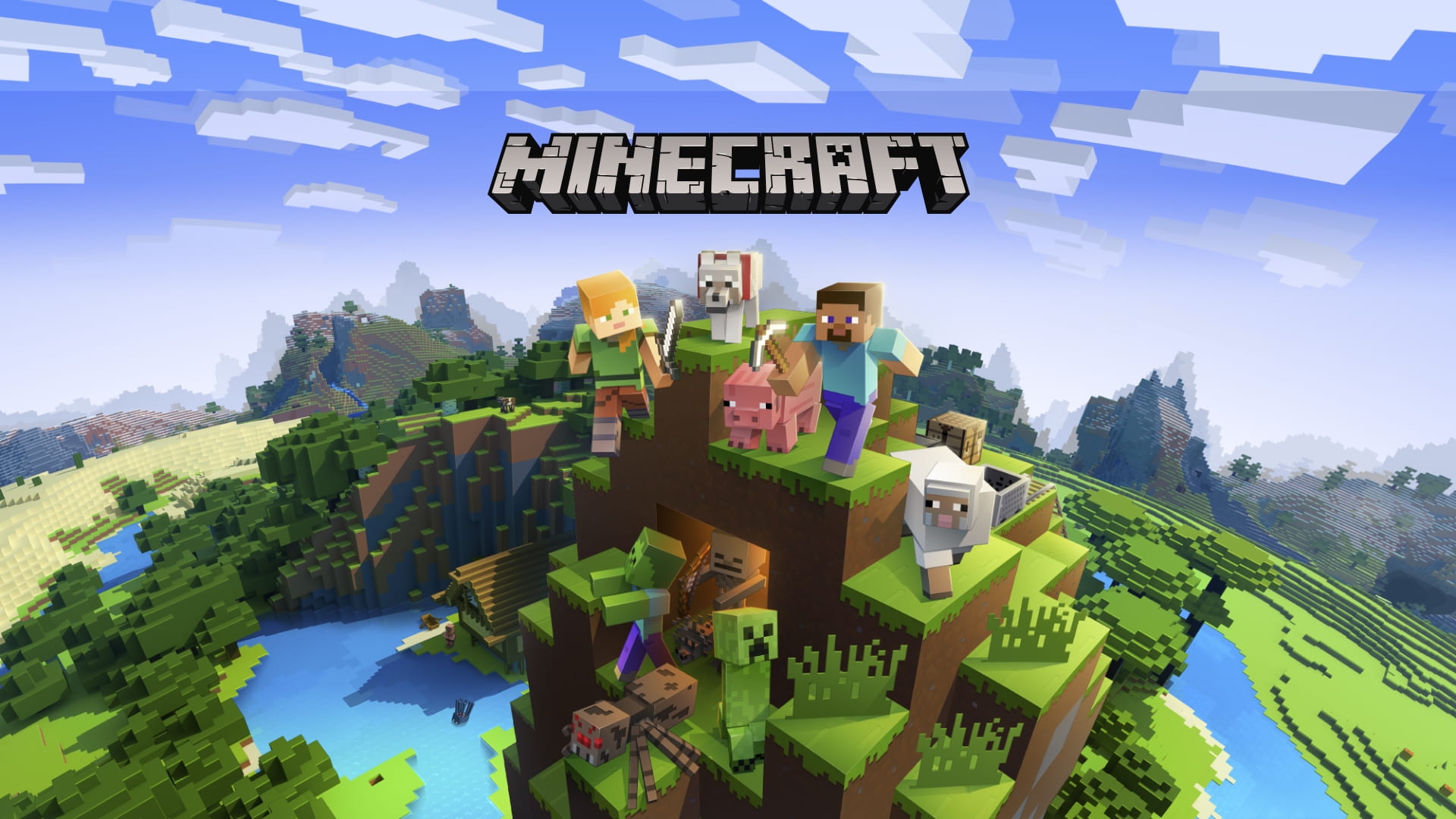
Minecraft Bedrock is more than entertainment—it’s an ecosystem of creativity, learning, and connection. Educators across the world have embraced it as a teaching tool. Through Minecraft: Education Edition (built on Bedrock’s framework), students learn coding, teamwork, architecture, and even history.
In classrooms, students don’t just read about ancient civilizations—they rebuild them. They don’t just study ecosystems—they simulate them. This hands-on experience transforms abstract learning into tangible understanding.
But even beyond education, Bedrock fosters emotional intelligence. Team projects teach collaboration, patience, and empathy—skills as essential in the real world as they are in virtual ones.
A Game That Builds People
It’s easy to underestimate what Minecraft represents. It’s not just a game—it’s a digital toolset for growth. Children who once played to pass the time now use it to learn design, programming, and leadership.
Adults find solace in its meditative rhythm. The simple act of mining and building becomes therapy, offering an escape from daily stress. Couples play together, families bond across continents, and friendships form across language barriers.
Through its simplicity, Minecraft Bedrock connects humanity in ways few digital experiences can.
The Technology Behind the Magic
While the charm of Minecraft lies in its simplicity, Bedrock’s underlying technology is anything but simple. The game’s C++ engine allows for dynamic rendering, smoother physics, and compatibility with a vast range of devices—from high-end PCs to smartphones with limited processing power.
Its cross-platform synchronization is one of its most groundbreaking achievements. Players can join a world on one device, leave it, and continue seamlessly on another. This persistence and fluidity make Bedrock an always-available universe rather than a static program.
The technical backbone ensures that creativity isn’t limited by hardware. Whether you’re running a high-resolution texture pack on a gaming PC or crafting on a tablet during your commute, the experience remains consistent and immersive.
The Endless Updates and Expanding Universe
Minecraft Bedrock is a living game. It evolves constantly through updates that add new creatures, biomes, mechanics, and storylines. From the Nether Update to the Caves & Cliffs expansion, each chapter breathes new life into the world.
This steady evolution keeps players engaged for years. Each update feels like unwrapping a new chapter in an endless book—one that never stops being written.
Moreover, Bedrock’s compatibility with realms and dedicated servers gives players the freedom to create private worlds or massive multiplayer experiences. From peaceful farming servers to intense PvP arenas, the diversity of playstyles is staggering.
The Community That Powers It All
The heartbeat of Minecraft has always been its community. And in the Bedrock universe, that community thrives like never before.
Creators from around the globe share custom maps, mods, and mini-games. Builders inspire others with architectural masterpieces, while coders bring new life to the game through creative add-ons. Every day, millions of players interact, collaborate, and create something new together.
It’s a never-ending cycle of inspiration. One player’s imagination sparks another’s, creating an ever-growing mosaic of human creativity.
Why minecraft bedrock Stands the Test of Time
In an industry driven by constant innovation and fleeting trends, minecraft bedrock remains a timeless masterpiece. Its strength lies in simplicity, inclusivity, and adaptability.
It doesn’t chase realism—it celebrates imagination. It doesn’t force competition—it fosters collaboration.
While other games fade after a few years, Bedrock continues to grow because it’s not bound by a single storyline or mechanic. It’s a framework for infinite possibilities—a digital world that’s as personal as it is universal.
A Game for All Generations
From children learning their first building blocks to adults reliving the joy of creation, Bedrock bridges generations. Parents and kids build together, discovering not just new worlds but new connections.
Its accessibility across devices means that age, skill level, or location no longer matter. Everyone, everywhere, can be part of the same adventure.
This inclusivity is what makes Minecraft Bedrock eternal. It’s not about graphics or technology—it’s about what happens when imagination meets community.
The Future of Minecraft Bedrock
Looking ahead, the potential of Bedrock is boundless. With each update, the world grows larger, smarter, and more interconnected. The integration of augmented reality, deeper mod support, and creative tools will continue to push what’s possible.
But perhaps the most exciting part of Bedrock’s future is the players themselves. They are the architects of tomorrow’s Minecraft worlds—storytellers who shape the digital landscapes future generations will explore.
As long as there are dreams to build and stories to tell, Bedrock will never stop evolving.
Conclusion
Minecraft Bedrock is not just a game—it’s a phenomenon that celebrates the very essence of human creativity. It represents connection in a divided world, imagination in an age of realism, and collaboration in a time of isolation.
It proves that even in a universe made entirely of cubes, there are no real boundaries—only opportunities to build something extraordinary.
From its humble beginnings to its global reach, Bedrock continues to remind us that the greatest worlds are the ones we create together.
So the next time you place a block, remember: you’re not just building a structure—you’re building a story, a memory, a moment in the vast shared universe of Minecraft Bedrock.
Also read :Becoming the Ultimate Gimkit Host