
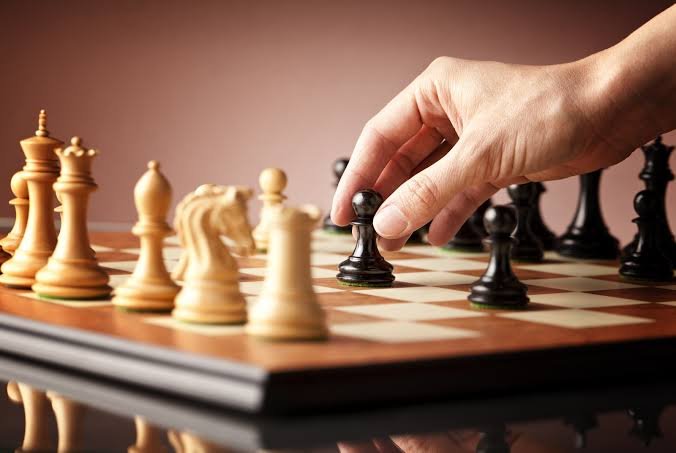
There is no perfect age to start playing chess, and you can learn at any stage of life. The key is to have enough motivation and time to develop and refine a new skill. Moreover, thanks to the shift to digital platforms, learning to play chess no longer requires a physical board or an opponent. Everything you need to get started is available online.
A new wave of chess popularity
Among the skills the game develops, the beginner chess portal Whychess https://whychess.com/ names logical thinking, memory, concentration, and strategic planning. These benefits are significant, but digitalization and the players themselves have also sparked renewed interest in the game. The COVID-19 lockdowns in 2020 and the release of The Queen’s Gambit brought people to online chess platforms who had never picked up chess pieces before. Streams and the growing media presence of top grandmasters, especially Magnus Carlsen, helped sustain that interest.
Where to start learning chess
The easiest way to learn chess is to ask family members or friends who already play reasonably well for help. They can explain the rules, show you how the pieces move, and guide you through your first games. If you don’t know any experienced chess players, you can join a chess club or take beginner classes. Chess is popular in many countries, so finding a club or group that teaches the basics is usually not difficult. If neither option works for you, there’s always a plan B.
Learning the rules and basics independently
To get started, you need to learn how the pieces move, what check and checkmate mean, and which rules apply during a game. This information is easy to find online, while beginner-friendly chess books can help you build your knowledge step by step. However, knowing the rules is not enough: you also need to understand how to apply them in practice. That’s why it’s best to combine theory with simple chess puzzles and your first games right from the start.
Learning chess on online platforms
Specialized chess platforms and beginner-friendly apps combine learning materials, interactive exercises, and opportunities to play against opponents from around the world. Many offer dedicated courses for beginners, introducing new topics gradually as you master the previous ones. This format allows you to learn at your own pace and revisit challenging topics as often as necessary. Some platforms also let you review completed games and identify mistakes, helping you develop a better understanding of strategy. This is a good option for anyone who wants to spend at least 10–15 minutes a day learning chess.
Taking lessons with a chess coach
If you want to understand the game faster and receive feedback, consider taking lessons with a chess coach. Lessons can be arranged either in person or online. A coach can help you not only learn the rules but also understand why some moves work well while others lead to losing pieces or the game. You don’t need any prior knowledge to start your first lessons, as the training program can begin with the very basics.
One of the most important rules of learning chess is to combine theory with practice. There’s no point in spending too much time memorizing rules and combinations, as you won’t get far without playing. This applies regardless of how much playing experience you may already have. Games against real opponents teach you to evaluate positions on the board, spot threats, and make decisions under time pressure. Reviewing your own games turns each one into a learning opportunity, so even losses count as progress.