
Have you ever looked at an old weapon skin sitting unused in your inventory and wondered if it could actually be worth something? For many players of Rainbow Six Siege, that question became much more interesting once trading options entered the conversation.
Cosmetic items have become a huge part of modern gaming culture. Players don’t just want to win matches anymore; they also enjoy showing off rare skins, uniforms, charms, and exclusive collectibles. That’s where the R6 marketplace comes into play.
Whether you’re a longtime Siege veteran with years of accumulated cosmetics or a newer player curious about how trading works, understanding this system can help you make smarter decisions about your inventory. It adds another layer of excitement to the game, giving cosmetic items a sense of value beyond simply looking cool during a match.
Let’s dive deeper into what it is, how it works, and why so many players are paying attention to it.
Understanding R6 Marketplace
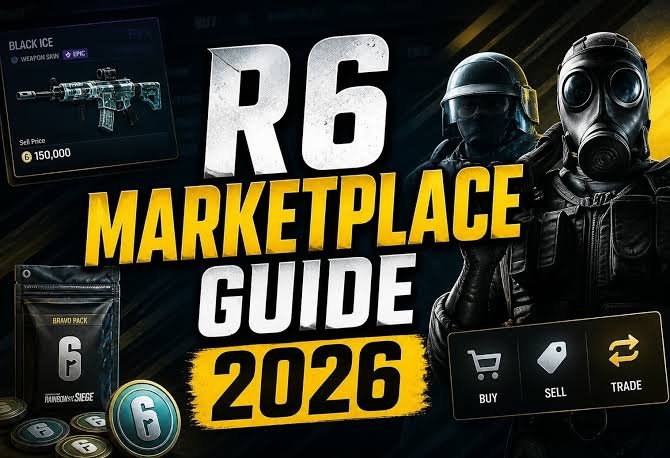
The R6 marketplace is essentially a digital trading platform designed for Rainbow Six Siege players to buy and sell eligible cosmetic items within a controlled environment.
Instead of skins remaining permanently locked inside a player’s inventory, the marketplace allows users to exchange certain cosmetics with other players using approved in-game currency systems.
At its core, the marketplace aims to create a fair and secure ecosystem where rare items can circulate among the community.
Players often collect cosmetics through:
- Battle passes
- Event packs
- Alpha packs
- Limited-time promotions
- Seasonal rewards
- Esports bundles
Over time, inventories become crowded with duplicates or items players simply don’t use anymore. The marketplace offers a practical solution.
For collectors, it’s an opportunity to hunt down previously unavailable cosmetics. For sellers, it’s a chance to turn unused items into credits that can fund future purchases.
In many ways, it resembles digital trading card communities, except everything revolves around Rainbow Six Siege cosmetics.
How the R6 Marketplace Works
Understanding the mechanics behind the marketplace isn’t difficult, but there are a few important concepts worth knowing.
Eligibility Requirements
Not every player gains instant access.
Access may depend on factors such as:
- Account standing
- Security settings
- Age requirements
- Linked accounts
- Participation in testing phases
Developers often introduce marketplace features gradually to ensure stability.
Listing an Item
Selling an item usually follows a straightforward process.
A player selects an eligible cosmetic from their inventory.
They then determine a selling price based on:
- Rarity
- Community demand
- Historical prices
- Availability
Once listed, the item becomes visible to potential buyers.
If another player accepts the price, the transaction proceeds automatically.
Buying Cosmetics
Buying items feels quite similar to browsing an online store.
Players can search for:
- Weapon skins
- Operator uniforms
- Headgear
- Charms
- Event collectibles
Filters help narrow results by category, rarity, or price range.
After purchasing, items are transferred directly into the buyer’s inventory.
Supply and Demand Dynamics
One of the most interesting aspects is that cosmetic prices often fluctuate.
Items tied to older events frequently become more desirable over time.
For example, a skin that was ignored during its original release may suddenly gain popularity after a professional player showcases it.
Demand increases.
Supply stays limited.
Prices rise.
It’s surprisingly similar to collecting sports cards or vintage gaming merchandise.
Benefits of the R6 Marketplace
Why does this feature matter so much?
The answer goes beyond simply buying skins.
Better Inventory Management
Most experienced Siege players own cosmetics they’ll never equip.
Instead of letting those items collect virtual dust, they can potentially be exchanged for credits.
That feels significantly better than having dozens of forgotten cosmetics hidden in menus.
Increased Player Engagement
Trading systems naturally encourage participation.
Players often revisit old collections, compare prices, and discuss market trends.
Some even enjoy studying cosmetic values almost as much as playing matches.
It’s an entirely different hobby within the Siege ecosystem.
Access to Rare Items
Missing an event used to mean permanently losing access to certain cosmetics.
Now, collectors may have another opportunity.
Although prices can sometimes be steep, at least players have a chance to obtain desired skins.
Community Interaction
Marketplaces create conversations.
Players debate pricing.
Collectors showcase acquisitions.
Friends recommend hidden gems.
These discussions help maintain interest in the game between seasonal updates.

Added Value for Cosmetics
Cosmetics feel more meaningful when players know they hold potential trading value.
Suddenly, opening an Alpha Pack carries a bit more excitement.
Will it be another duplicate?
Or perhaps a surprisingly valuable item?
That uncertainty can be enjoyable.
Practical Uses, Examples, and Applications
Different players use the marketplace differently.
The Casual Player
Imagine someone who only plays occasionally.
They’ve accumulated dozens of event skins over several years.
Rather than purchasing credits with real money, they sell cosmetics they no longer want.
Those credits then help purchase a new elite bundle.
Simple and efficient.
The Collector
Collectors are a fascinating group.
They actively search for:
- Limited seasonal items
- Esports exclusives
- Anniversary skins
- Older event cosmetics
For them, completing a collection feels rewarding.
Price isn’t always the biggest concern.
Availability matters more.
The Trend Watcher
Some players enjoy observing market behavior.
They monitor fluctuations and identify undervalued items.
While profit isn’t guaranteed, understanding demand patterns can help players make better purchasing decisions.
The Competitive Enthusiast
Competitive players often prefer a small selection of favorite cosmetics.
Rather than storing hundreds of unused skins, they trade items to acquire premium cosmetics for frequently played operators.
It’s a practical approach.
Tips and Best Practices for Using the Marketplace
The marketplace can be exciting, but thoughtful decisions usually lead to better outcomes.
Research Prices Before Selling
One common mistake is listing rare items too cheaply.
Spend a little time reviewing existing listings.
Compare prices.
Observe trends.
Patience often pays off.
Avoid Impulse Purchases
Seeing a rare cosmetic appear can create urgency.
However, it’s worth asking yourself:
Will I actually use this skin?
Or am I buying it simply because it’s difficult to find?
That small pause saves credits surprisingly often.
Protect Your Account
Security should never be overlooked.
Strong passwords are important.
Enabling two-factor authentication is even better.
Trading activity makes accounts more attractive targets for scammers.
Taking precautions is worthwhile.
Monitor Seasonal Changes
Cosmetic demand sometimes shifts dramatically.
An operator receiving a major update may cause interest in their cosmetics to spike.
Timing can influence both buying and selling decisions.
Focus on Personal Enjoyment
At the end of the day, Rainbow Six Siege remains a game.
Building a collection you genuinely enjoy usually feels more satisfying than obsessing over every price fluctuation.
Common Mistakes or Misconceptions
Marketplace systems often generate confusion.
Here are some misunderstandings players frequently encounter.
Assuming Every Item Can Be Sold
Not all cosmetics are tradable.
Certain rewards remain permanently bound to accounts.
Always verify item eligibility before making plans.
Expecting Guaranteed Profit
Prices move unpredictably.
Buying a skin with hopes of reselling it later involves uncertainty.
Market conditions change.
Popularity shifts.
Nothing is guaranteed.
Ignoring Transaction Fees
Some trading systems include fees deducted from completed sales.
These fees influence actual earnings.
Players should account for them before listing expensive cosmetics.
Overvaluing Personal Favorites
Sentimental attachment affects judgment.
A player may love a skin because it reminds them of an old tournament season.
Other buyers may not share that enthusiasm.
Market value depends on collective demand.
Believing Rare Automatically Means Expensive
Scarcity helps.
Demand matters even more.
An extremely rare item nobody wants may still struggle to command high prices.
Interesting Facts and Insights
Here are a few lesser-known observations about Siege cosmetic trading.
1. Some Event Cosmetics Gain Value Years Later
Items overlooked at launch occasionally become highly sought after.
Gaming communities are unpredictable.
2. Professional Players Influence Demand
When popular streamers or esports competitors showcase skins, interest often increases.
Visibility matters.
3. Collectors Exist in Nearly Every Gaming Community
From trading cards to virtual hats, people naturally enjoy collecting things.
Rainbow Six Siege is no exception.
4. Cosmetic Trends Change Constantly
What players consider stylish today might feel outdated next season.
Preferences evolve surprisingly fast.
5. Older Accounts Sometimes Hold Hidden Gems
Veteran players may discover forgotten cosmetics worth considerably more than expected.
Checking old inventories can occasionally produce pleasant surprises.
6. Community Discussions Shape Perceived Value
Forums, social media posts, and videos often influence market sentiment.
Popularity isn’t always based solely on rarity.
FAQs
Is the R6 marketplace available to all Rainbow Six Siege players?
Availability may vary depending on account eligibility, regional testing phases, and platform-specific requirements. Players should check official announcements for current access details.
Can I sell every cosmetic item I own?
No. Only approved and eligible cosmetics can typically be listed for sale. Some rewards remain permanently attached to player accounts.
What currency is used in the marketplace?
Transactions generally use designated in-game credits rather than traditional cash payments, helping maintain a controlled trading environment.
Are cosmetic prices fixed?
No. Prices are usually influenced by supply, demand, rarity, and player interest, which means they can change over time.
Is using the marketplace safe?
Using official trading systems is generally considered much safer than relying on third-party trading methods. Keeping account security features enabled remains highly recommended.
Conclusion
The R6 marketplace represents an interesting evolution in Rainbow Six Siege’s cosmetic ecosystem. It gives players more control over their inventories, offers collectors new opportunities, and introduces a dynamic economy built around digital items.
For some people, it’s simply a convenient way to exchange unwanted skins. For others, it becomes a hobby involving collecting, researching trends, and chasing elusive cosmetics. Neither approach is wrong.
Ultimately, the marketplace works best when viewed as an extension of the game’s entertainment value rather than a serious investment tool. Buy skins you genuinely enjoy, sell items gathering dust, stay informed about market changes, and remember to have fun along the way. After all, Siege has always been about strategy, adaptability, and making the most of the resources you have—and that mindset fits surprisingly well here too.
Also read:Drunken Boxing: The Fascinating Martial Art That Blends Deception, Balance, and Skill