

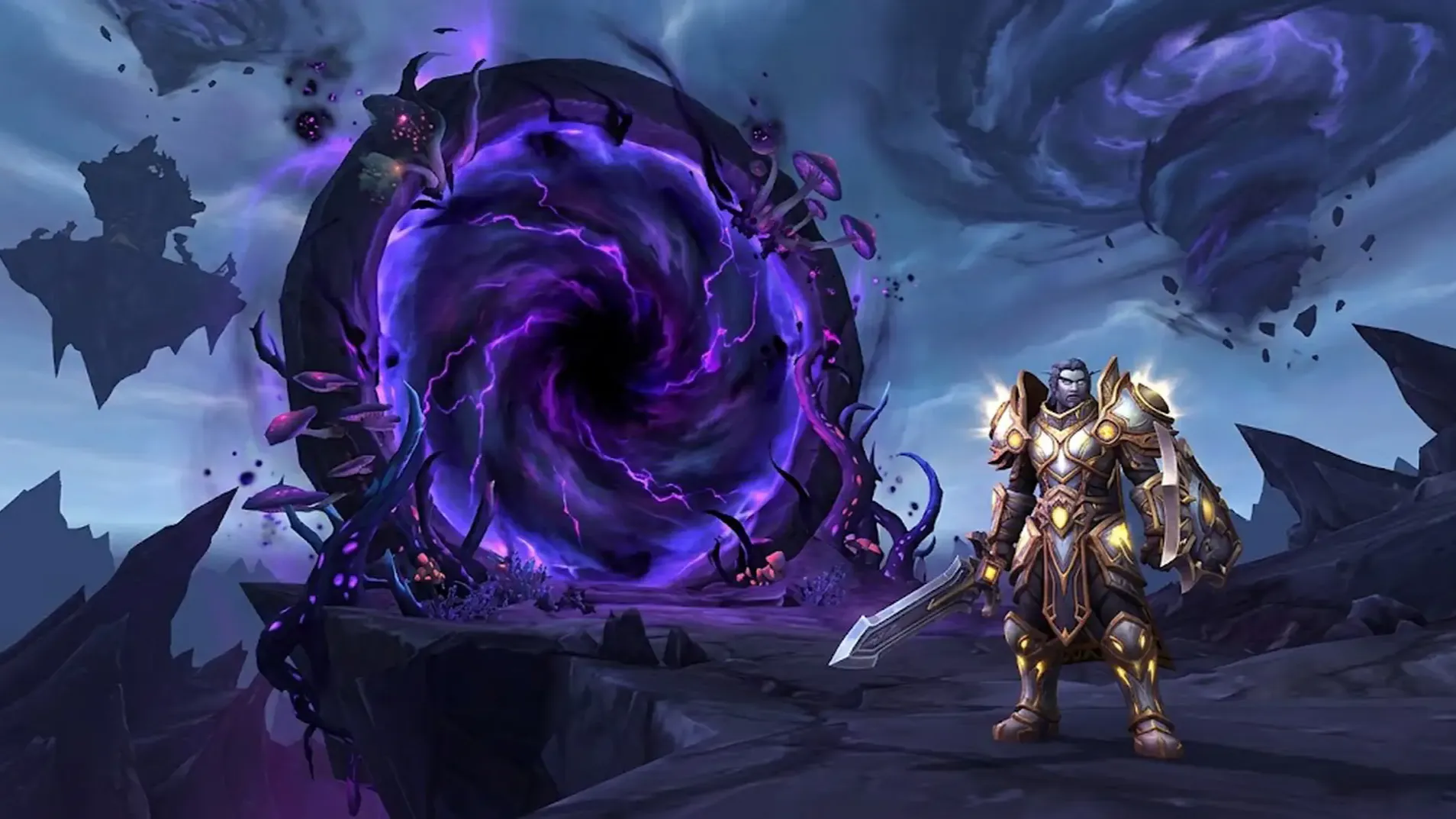
Mythic raiding in World of Warcraft is where the real long-term goals in player vs. environment gameplay come in. People dive into Mythic for high-end rewards and memorable progression moments, and tough challenges. Plus, landing a clean kill after extended progression remains one of the strongest feelings in PvE.
A current case in point is the Midnight raid with Sporefall. It revolves around Boss Rotmire in Harandar and lets players tackle Mythic with a 15-to-25-person team. Regardless of new mechanics and lore, the core principle stays consistent: Mythic raids generally prize dedication, thorough prep, and steady performance way more than having the absolute highest item level.
Why Mythic Raiding Still Matters in WoW
Mythic raids serve as the endgame goal and give PvE players a clear ceiling to chase. Normal and Heroic raids can teach mechanics, but Mythic asks players to master them. The fight stops being about “knowing what happens” and becomes about doing the right thing every time.
That is why Mythic progression feels so different. A group can understand the boss and still wipe for hours. One missed defensive, one late soak, or one bad movement path can ruin a pull that looked stable. This difficulty rewards players who can repeat clean execution under pressure.
Mythic gives players a stronger sense of identity, too. People either focus on Mythic+, PvP, or raid progression for their entire season. For raiders, defeating Mythic bosses means a lot; those kills show personal growth. Each first kill, reclear, or deep progression boss conquered is a milestone — proof of how much they’ve improved.
Race to World First and Hall of Fame: The Prestige Behind Mythic Raids
The Race to World First is the most visible part of Mythic raiding. Top guilds tear through bosses before regular players even hit the later phases of the raid. They experiment with strategies, switch up group compositions, and put in countless hours of grinding.
The race influences the entire PvE scene. It highlights the toughest mechanics, shows which classes excel under pressure, and demonstrates which strategies stick during actual progression.
The official Mythic Raid Hall of Fame adds another layer of prestige. It records the top guilds that defeat a Mythic raid first. Even if most players never reach that level, the system gives Mythic raiding a clear competitive ladder.
What Mythic Raids Give Beyond Better Loot
Many casual players think that Mythic raiding is needed for Myth track items and that’s it. However, that’s not true — Mythic raids also teach players how to improve in a structured way. You learn to read timers, plan cooldowns, fix mistakes, and understand why a pull failed.
Logs become useful here. They are not just a way to compare damage. Good players use them to check deaths, missed defensives, healing gaps, downtime, target swaps, and mechanic failures. A low parse with clean execution can still be more valuable than high damage with avoidable deaths.
Mythic also builds stronger raid habits. You start thinking about the encounter as a team plan, not a personal rotation test. You hold the burst for the right moment. You move early instead of late. You stop chasing risky uptime when survival matters more.
This is the real reward many players remember. The loot gets replaced later. A clean Mythic kill stays as proof that your group solved something difficult together. Some players consider Sporefall mythic raid boosting at this point, as they want not the loot, but the kill and the sense of accomplishment.
How Mythic Difficulty Changes Raid Progression
Mythic raids usually change the way players approach progression. On Heroic, groups can often recover from several errors. On Mythic, recovery windows are much smaller. Mistakes stack quickly, and the fight often punishes small delays.
Assignments also become stricter. Players may need fixed positions, planned interrupts, assigned defensives, exact cooldown timings, or specific movement routes. “Just react” rarely works for long. Mythic rewards preparation before the pull starts.
This is why communication matters so much. A good raid leader does not need to talk constantly. Short, clear calls usually work better. Players need to know what matters now, what comes next, and when the group should commit cooldowns.
Mythic progression also tests patience. You may spend an entire night improving one phase. That can feel slow, but it is often the real path forward. Once the group makes that phase consistent, the fight opens up. Unfortunately, a decent Mythic group is usually premade, and not everyone has such a team. For players in that situation, WoW Sporefall Mythic boost can be a practical way to experience Sporefall Mythic with a coordinated group instead of spending the evening rebuilding failed pugs.
Mythic Raid Example
Sporefall fits well as a Midnight example because it concentrates the Mythic experience into one encounter. Instead of progressing through a long raid wing, players focus on one boss and one set of mechanics. That makes every pull feel direct. There is less downtime, but there is also less room to hide weak execution.
The official Sporefall overview describes the raid as a single-boss encounter against Rotmire in Harandar, available on Raid Finder, Normal, Heroic, and Mythic.
The most interesting part is Mythic flex. Sporefall allows 15–25 players on Mythic difficulty, which changes the usual roster discussion. Smaller groups may feel cleaner and easier to coordinate. Larger groups may bring more utility, but they also create more chances for movement mistakes. If you are afraid that pugging can go wrong and waste your time, Sporefall Mythic raid carry options often offer a less risky environment.
Mythic Raid Rewards and Weekly Kill Value
Mythic rewards matter significantly because they really boost a character’s season. Getting a great weapon, trinket, or upgrade helps for raids and Mythic+ runs. Even a single good roll can totally change how you feel about your character.
Each boss kill means more with the weekly lockout thing. You can’t farm infinite kills on Mythic raids once you start the week. The loot and progress perks are reset each time, limiting power gains too. That’s why guilds value those later clears; they’re tough to get, so everyone appreciates the extra effort.
Players can consider using a Sporefall mythic raid boost when they are aiming for a planned weekly kill, but without having to start anew with a group. This is most sensible for geared characters that are prepared for content but don’t have a set roster of Mythics. However, the goal of seeking rewards shouldn’t be the motivator for entering Mythic. The most value is realized when loot is used to aid progression, rather than as the sole objective.
Mythic Raiding as a Skill Benchmark
Mythic raiding is one of the clearest skill checks in WoW PvE. It tests more than damage. It tests timing, awareness, class knowledge, and discipline across many pulls.
A strong Mythic player usually does several things well:
- survives mechanics without panic;
- uses defensives before damage lands;
- follows assignments without needing constant reminders;
- understands when to hold cooldowns;
- swaps targets when the fight requires it;
- keeps focus after repeated wipes;
- plays for the kill, not only for the parse.
This is why a Mythic kill can reflect real progress. It shows that the player can handle pressure inside a group where every role matters. You do not need to be a Hall of Fame raider to feel that growth.
Guild Progression, Pugs, and Organized Mythic Runs
Most Mythic progression happens in guilds because stable teams learn faster. The same players return each week, fix mistakes, and improve together. That structure matters a lot once bosses demand repeated practice.
Pugs can work for early Mythic bosses, especially later in the season. However, they are much less predictable. Some groups have strong players and clear expectations. Others fall apart after one wipe. Logs help, but they do not guarantee patience or good leadership.
Organized runs sit somewhere else. A player may consider a Sporefall mythic carry when they have the gear and basic knowledge, but no stable team. This is especially common for returning players, alts, or people who cannot raid on a fixed schedule.
Common Reasons Mythic Raid Groups Fail
Mythic groups rarely fail because of one huge mistake. More often, they fail because several small problems repeat.
Poor cooldown planning is one of the biggest issues. If defensive and healing cooldowns overlap early, the group may have nothing left for the real danger window. If nobody tracks those moments, the same wipe happens again.
Roster instability also hurts progress. New players need time to learn assignments, and every replacement changes the rhythm of the group. This is why stable guilds usually progress better than random weekly teams.
Another problem is overvaluing damage. High DPS matters, but dead players do no damage. A player who ruins positioning for a better parse can cost the group more than they bring.
Finally, many groups change strategy too often. Adjustments are good, but panic changes after every wipe create confusion. Mythic progress usually needs a clear plan, calm review, and enough pulls to make that plan work. This is where Sporefall mythic boosting works best as a time-management option. It should feel like a scheduled raid solution, not a replacement for learning the game.
Is Mythic Raiding Worth It for Regular Players?
Mythic raiding is worth it if you enjoy long-term PvE goals. You do not need to clear the whole raid to benefit from the difficulty. Even one or two Mythic kills can feel meaningful if they push your skill level forward.
It is also worth trying if you want a better measure of your progress. Item level shows character power, but Mythic execution shows player growth. You learn how well you perform when the fight gives you less space to recover.
If you decide to buy Sporefall mythic boost, it should match a clear goal: a weekly kill, a loot chance, an alt catch-up, or a way to see the encounter in a structured group. If you decide to progress normally, treat each wipe as information. Both paths can make sense when the choice fits your time and expectations.
Players looking to jump straight into the current Midnight raid tier might want a Sporefall mythic boost; it offers a cleaner route than relying on random group finder attempts. For everybody else, mythic raiding is still what it’s always been — a tough, rewarding test of prep, teamwork, and consistency.
Also read :New Zelda Game: Everything Fans Need to Know About the Next Adventure