

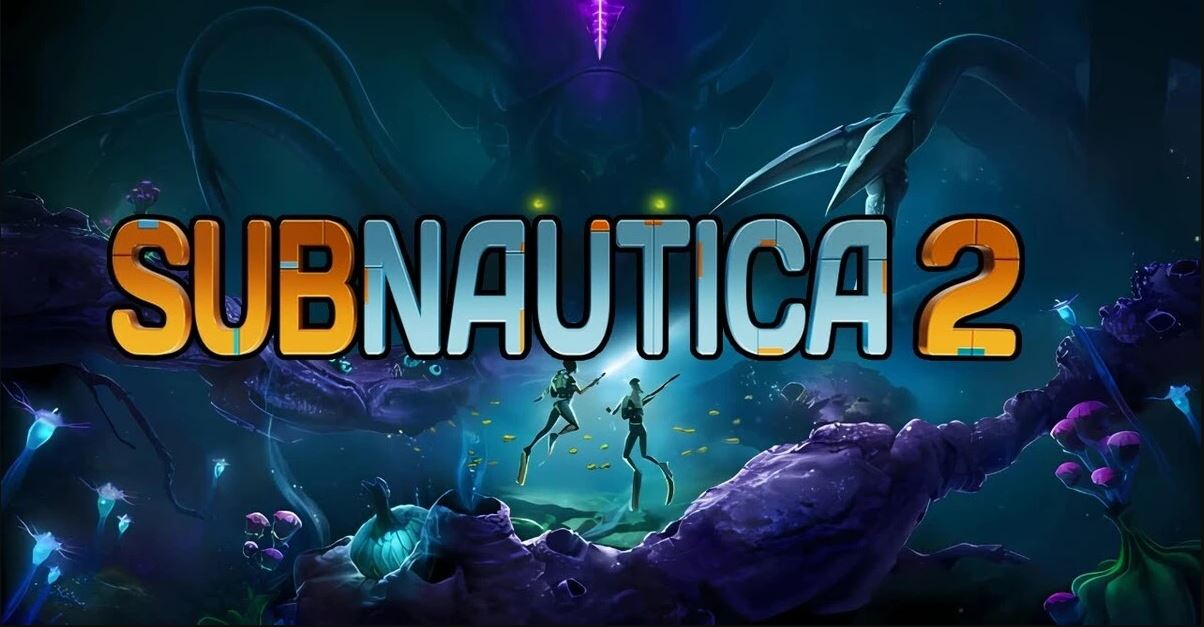
There’s a certain kind of fear that only underwater games can create. Not loud horror. Not jump-scare chaos. More like that slow, uncomfortable feeling of looking into deep, dark water and realizing you have absolutely no idea what’s down there.
That’s exactly why the original Subnautica became unforgettable for so many players.
Now, with growing excitement surrounding Subnautica 2, fans are once again preparing to dive into alien oceans, mysterious ecosystems, survival mechanics, and probably several moments of pure panic at 2 a.m. while hearing strange noises in the distance. Honestly, if a game can make players terrified of water they can’t even physically touch, it’s doing something right.
The anticipation around Subnautica 2 isn’t just hype for another survival game. It’s excitement for exploration, atmosphere, storytelling, and that unique emotional mix of wonder and fear the series somehow delivers better than almost anyone else.
This article takes a deep look at what makes Subnautica 2 so important, why fans care so much about it, how its gameplay concepts work, and what players can realistically expect from the next chapter of this underwater sci-fi world.
Understanding Subnautica 2
To understand why Subnautica 2 has generated so much interest, it helps to look at what made the original games special in the first place.
Subnautica is an open-world survival adventure series focused on underwater exploration. Players are placed on an alien planet filled with oceans, strange creatures, hidden caves, dangerous predators, and advanced technology. Unlike many survival games that focus mainly on combat, Subnautica emphasizes discovery, environmental storytelling, crafting, and survival tension.
That balance is important.
The game isn’t trying to overwhelm players with nonstop action. Instead, it creates emotional immersion through atmosphere. Sometimes the scariest moments happen when nothing attacks you at all. You’re just alone, deep underwater, hearing distant sounds you can’t identify. Weirdly terrifying.
Subnautica 2 is expected to continue and expand these ideas while introducing larger environments, deeper mechanics, improved graphics, and potentially cooperative gameplay features. Fans are especially excited because the series already has a reputation for creating incredibly immersive worlds.
And honestly, very few games capture loneliness and curiosity quite like Subnautica does.

How It Works / Key Concepts
The gameplay systems behind Subnautica 2 are built around exploration, resource management, and survival.
Exploration-Based Gameplay
At its core, the game rewards curiosity.
Players explore oceans, caves, wrecks, alien ruins, and underwater biomes while searching for resources, blueprints, and story clues. Progress usually comes from venturing deeper into unknown areas.
Naturally, that also means greater danger.
Survival Mechanics
Like earlier entries, Subnautica 2 will likely focus heavily on survival systems such as:
- Oxygen management
- Hunger and thirst
- Health
- Temperature or environmental hazards
- Resource gathering
These mechanics create tension without making the game feel excessively punishing.
You constantly balance curiosity against risk.
Crafting and Base Building
Crafting remains one of the most satisfying aspects of the series.
Players gather materials to create tools, vehicles, habitats, upgrades, and survival equipment. Over time, a tiny survival pod gradually transforms into a fully operational underwater base.
There’s something oddly relaxing about building glass corridors in the middle of an alien ocean while terrifying sea creatures swim nearby.
Vehicles and Technology
Vehicles play a massive role in progression.
Fans expect Subnautica 2 to introduce new submarines, traversal systems, scanning tools, and advanced technologies. These mechanics allow players to explore increasingly dangerous zones safely — or at least slightly less dangerously.
Environmental Storytelling
Subnautica games rarely force exposition directly onto players.
Instead, the world itself tells the story through abandoned structures, logs, ecosystems, ruins, and hidden discoveries. Players uncover lore naturally while exploring.
That subtle storytelling style feels much more immersive than constant cutscenes.
Benefits / Importance / Why It Matters
The excitement around Subnautica 2 exists for good reason. The series offers experiences that feel genuinely different from many modern games.
Encouraging Exploration
A lot of games tell players exactly where to go every second.
Subnautica trusts players more. It rewards curiosity instead of constantly directing attention through markers and tutorials.
That freedom makes discoveries feel personal.
Creating Emotional Atmosphere
Very few survival games create emotional immersion this effectively.
The ocean setting naturally triggers fear, wonder, and isolation. Combined with sound design and environmental detail, the result feels unforgettable.
Some players describe Subnautica as relaxing. Others describe it as terrifying. Strangely, both are correct.
Blending Survival With Storytelling
Many survival games struggle with narrative depth.
Subnautica manages to combine meaningful storytelling with survival gameplay without making either side feel forced. That balance is rare.
Expanding the Survival Genre
The series helped redefine what survival games could look like.
Instead of focusing heavily on combat or multiplayer competition, it emphasized atmosphere, environmental exploration, and emotional immersion.
That influence can now be seen across many newer games.
Practical Uses, Examples, or Applications
Although Subnautica 2 is obviously designed for entertainment, the game also demonstrates broader ideas relevant to gaming design and player psychology.
Learning Through Exploration
The game encourages experimentation and self-guided learning.
Players naturally develop problem-solving skills while figuring out crafting systems, navigation routes, survival priorities, and environmental dangers.
Fear and Curiosity Design
Subnautica is often studied as an example of psychological tension design.
Instead of relying on traditional horror mechanics, it creates fear through uncertainty, sound, darkness, and environmental scale.
Honestly, hearing an unknown creature roar somewhere below you is often scarier than actually seeing it.
Creative Base Building
Players use creativity while designing underwater habitats and organizing resources.
Some players build compact survival stations. Others create massive underwater research facilities that look like futuristic cities.
Community Engagement
The Subnautica community remains highly active with theories, guides, fan art, mods, and gameplay discussions.
Games with strong exploratory worlds tend to inspire long-term fan engagement naturally.
Tips, Strategies, or Best Practices
New players entering Subnautica 2 will probably benefit from a few important survival habits.
Explore Carefully
Rushing into deep zones too early usually ends badly.
Take time upgrading equipment before exploring dangerous regions. Curiosity is important, but preparation matters too.
Listen to Audio Cues
Sound design in the series is incredibly important.
Creature noises often provide warnings about nearby threats. Ignoring audio cues is usually a mistake.
And yes, some sounds will absolutely make you freeze in panic for a second.
Build Multiple Bases
Creating smaller outposts across different regions improves survival flexibility.
Strategic base placement reduces travel stress and helps manage resources more efficiently.
Scan Everything
Scanning creatures, objects, and technologies unlocks valuable information and blueprints.
Many players underestimate how useful scanning becomes over time.
Don’t Panic
This sounds simple, but panic causes most survival mistakes.
When oxygen runs low or creatures appear suddenly, staying calm usually improves survival chances dramatically.
Usually.
Common Mistakes or Misconceptions
There are several misconceptions surrounding Subnautica 2 and the series overall.
Assuming It’s Only a Horror Game
While the game contains terrifying moments, it’s not purely horror-focused.
Exploration, creativity, beauty, and discovery are equally important parts of the experience.
Treating It Like a Combat Game
Combat exists, but fighting isn’t the main focus.
Players who approach the game expecting constant action may initially misunderstand its slower, atmospheric pacing.
Ignoring Exploration
Some players stay too close to safe areas.
Progress requires exploring deeper and taking calculated risks. Fear is part of the intended experience.
Underestimating Resource Management
Efficient inventory and crafting decisions become increasingly important later in the game.
Poor preparation can create major survival problems unexpectedly.
Interesting Facts or Insights
Here are several fascinating insights related to Subnautica 2 and the franchise:
- The original Subnautica became especially popular through streaming and reaction content.
- Many players experience genuine fear while exploring deep underwater zones.
- Sound design plays a huge role in emotional immersion throughout the series.
- The franchise combines science fiction with survival mechanics unusually well.
- Base-building creativity varies dramatically between players.
- Ocean environments naturally trigger psychological discomfort in many people.
- Subnautica’s success proved survival games don’t need heavy combat to stay engaging.
FAQs
What is Subnautica 2 about?
Subnautica 2 is the next major installment in the underwater survival adventure franchise. It is expected to feature exploration, crafting, survival mechanics, alien ecosystems, and expanded gameplay systems.
Will Subnautica 2 have multiplayer?
Many fans hope for cooperative multiplayer features, though gameplay details may vary depending on development direction and official announcements.
Is Subnautica 2 a horror game?
Not exactly. While it contains intense and frightening moments, the game focuses more on survival, exploration, atmosphere, and discovery than traditional horror gameplay.
Why do players love Subnautica so much?
Players appreciate the immersive world design, emotional atmosphere, exploration systems, environmental storytelling, and unique underwater setting.
Do you need to play previous Subnautica games first?
Not necessarily, though playing earlier entries can help players better understand the lore, gameplay mechanics, and world-building elements.
Conclusion
The excitement surrounding Subnautica 2 feels bigger than ordinary sequel hype. Fans aren’t just waiting for another survival game — they’re waiting to experience that rare feeling of discovery again. The nervous excitement of diving deeper than you probably should. The silence of an alien ocean. The sudden realization that something massive is moving beneath you.
Very few games create emotional immersion the way Subnautica does.
That’s why the franchise continues standing out in a crowded gaming industry. It understands that exploration isn’t only about maps or objectives. It’s about emotion. Curiosity. Fear. Isolation. Wonder. Sometimes all at once.
And honestly, that combination stays with players long after they stop playing.
Whether Subnautica 2 introduces larger worlds, new creatures, multiplayer systems, or deeper storytelling, one thing feels certain already: players will once again find themselves staring into dark underwater depths thinking, “I really don’t want to go down there…”
Also read :New lego batman game: Everything Fans Are Hoping to See in Gotham’s Next Brick-Built Adventure