

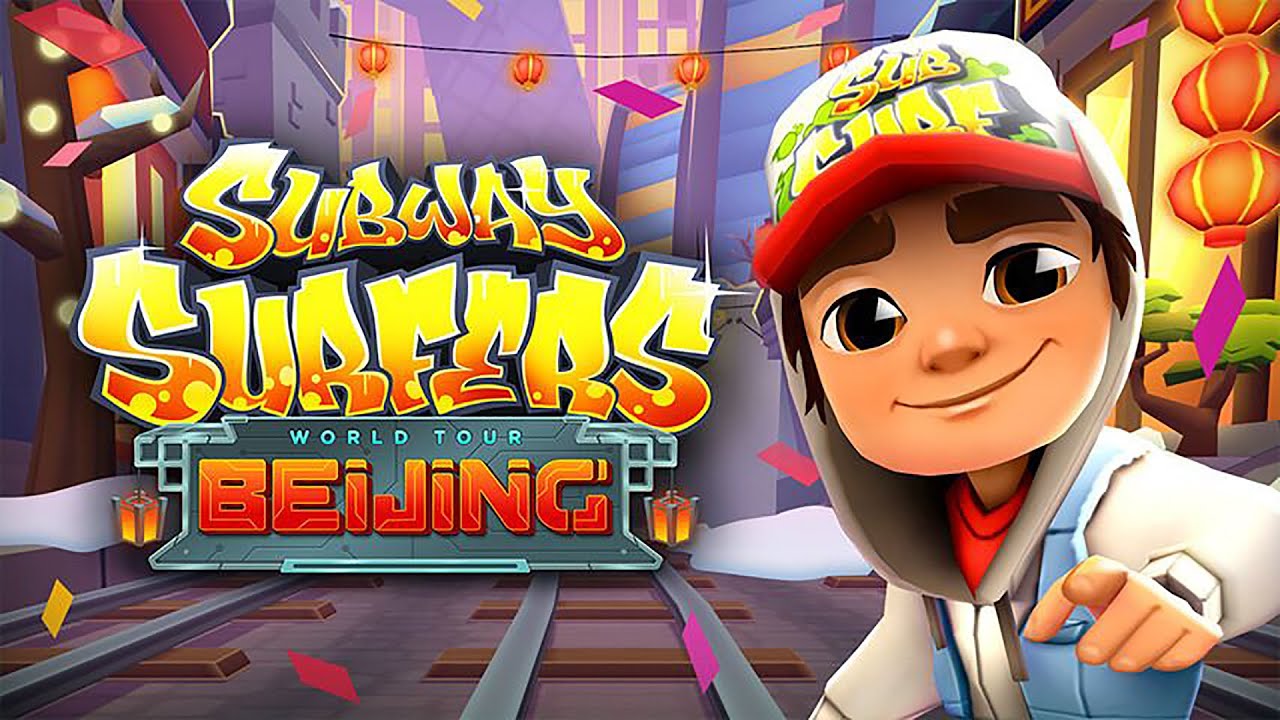
Few mobile games have captured global attention quite like Subway Surfers. Launched in 2012 by Kiloo and SYBO Games, this endless runner quickly became a household name, entertaining millions of players worldwide with its fast-paced action, colorful graphics, and addictive gameplay. But while most people experience Subway Surfers only through their smartphones, another world exists behind the scenes—one where developers, hobbyists, and coding enthusiasts gather to discuss, share, and sometimes replicate aspects of the game. This world often comes alive through platforms like GitHub, sparking curiosity around the term Subway Surfers GitHub.
In this article, we’ll dive into what this phrase means, the culture surrounding open-source game projects, and why developers are fascinated with the inner workings of one of the most popular mobile games in history.
The Rise of Subway Surfers
To truly understand the buzz around Subway Surfers GitHub, it helps to revisit the roots of the game itself. When Subway Surfers debuted in May 2012, it seemed like just another entry in the crowded mobile gaming space. Yet, within weeks, it began to outshine competitors thanks to its unique blend of features:
- Smooth controls: Players could swipe left, right, up, or down with fluidity that felt intuitive and seamless.
- Vibrant visuals: The game’s bright, graffiti-inspired art style created a fresh, urban aesthetic that stood out.
- Global updates: With its “World Tour” feature, the game frequently introduced new cities, keeping the experience exciting and relevant.
By 2017, Subway Surfers had become the first mobile game to surpass one billion downloads on the Google Play Store. Its blend of accessibility and challenge made it a staple on countless devices, appealing to children, teenagers, and adults alike.
Why Developers Are Drawn to Subway Surfers
The fascination with Subway Surfers goes beyond casual play. For developers, the game represents a masterclass in mobile design. Some key reasons why coders and enthusiasts turn their attention to projects like Subway Surfers GitHub include:
- Learning from success: By studying game mechanics, developers can understand what makes a mobile title universally engaging.
- Experimentation: Many use clones or re-creations as practice projects to sharpen coding skills in languages like Java, C#, or Unity.
- Open-source culture: Developers often collaborate to create simplified versions of famous games, which can then be shared publicly for educational purposes.
GitHub serves as the perfect platform for these pursuits, providing a space where coders can upload projects, share code, and refine their skills with feedback from the global programming community.

Understanding Subway Surfers GitHub
What Does It Really Mean?
The phrase Subway Surfers GitHub doesn’t refer to the official game’s codebase. SYBO and Kiloo have never released the original source code to the public. Instead, what you’ll often find are unofficial recreations, clones, or inspired projects uploaded by independent developers.
These repositories might contain:
- Simplified versions of the game mechanics built in Unity, Godot, or other engines.
- Tutorial projects that show beginners how to code an endless runner.
- Experimental features where developers test new mechanics that are similar to those in Subway Surfers.
It’s important to note that these projects are usually made for educational purposes, not for commercial release. They allow developers to showcase their skills, learn from each other, and explore what goes into creating a game as popular as Subway Surfers.
Open-Source Gaming Culture
Open-source projects have become a lifeline for aspiring developers. Platforms like GitHub make it possible to peek under the hood of countless experiments, from small indie prototypes to ambitious clones of blockbuster titles. With Subway Surfers GitHub-inspired projects, we see a fascinating mix of motivations:
- Curiosity: Many coders want to understand how an endless runner manages player input, collision detection, and object spawning.
- Creativity: Developers sometimes use the framework of Subway Surfers to build entirely new themes or characters.
- Community learning: Discussions around such projects often lead to tutorials, videos, or step-by-step coding breakdowns.
The collaborative environment is what makes GitHub so powerful. A beginner might upload a rough game demo, only to see it evolve through contributions from experienced developers.
Challenges in Recreating Subway Surfers
While educational projects around Subway Surfers GitHub can be exciting, they also come with hurdles. Replicating a polished game is no simple task. Developers often grapple with challenges like:
- Graphics and animations: Creating smooth, visually appealing character movement takes significant effort.
- Performance optimization: Endless runners must handle endless obstacles without lagging, which requires efficient coding.
- Legal boundaries: Developers need to avoid using copyrighted assets like original characters, logos, or music. Instead, they create unique substitutes while mimicking the mechanics.
These challenges explain why most GitHub versions remain simplified compared to the real Subway Surfers. They are more like learning exercises than fully playable alternatives.
Why Subway Surfers Stands the Test of Time
Part of the reason developers remain interested in Subway Surfers GitHub projects is the enduring popularity of the original game. More than a decade after its release, Subway Surfers still sits comfortably among the top mobile titles. What’s the secret?
- Frequent updates: The World Tour events keep the game fresh, introducing new environments and characters.
- Universal appeal: The gameplay is easy to pick up but difficult to master, catering to a wide audience.
- Cultural relevance: The graffiti, skateboards, and youthful vibe resonate with modern players.
- Technical excellence: Despite its age, the game runs smoothly on a wide range of devices.
These qualities inspire developers who hope to capture even a fraction of that magic in their own projects.
Subway Surfers GitHub as a Learning Tool
For Beginners
For those just starting out in coding, attempting a small endless runner inspired by Subway Surfers can be a fantastic project. It introduces essential programming concepts like:
- Character control: Handling input for movement and jumps.
- Obstacle generation: Randomly spawning trains, barriers, or coins.
- Collision detection: Determining when the player interacts with objects.
For Experienced Developers
Seasoned programmers often take these projects a step further by experimenting with:
- AI-driven challenges: Adding smarter obstacles or enemies.
- Custom physics: Introducing unique jump mechanics or hoverboard-like features.
- Multiplayer modes: Testing how endless runners might work with real-time competition.
By treating Subway Surfers GitHub as a sandbox, developers can sharpen their skills and even inspire new game ideas.
Ethical Considerations
While these projects are excellent for learning, there’s always a line developers must respect. The official Subway Surfers intellectual property is protected, and copying assets directly could lead to copyright issues. That’s why most GitHub projects avoid using official characters like Jake, Tricky, or Fresh, instead substituting original ones.
The healthiest approach is to treat these projects as educational exercises, not commercial ventures. In doing so, coders honor the spirit of open-source collaboration while respecting the work of the original creators.
The Future of Open-Source Game Development
As technology advances, open-source gaming is only set to grow. Engines like Unity, Unreal, and Godot are lowering barriers to entry, allowing more developers to create and share projects. In this environment, Subway Surfers GitHub projects will likely continue to pop up—not as threats to the original game, but as tributes and learning opportunities.
These experiments not only train the next generation of developers but also keep the culture of curiosity and collaboration alive. Who knows? A simple Subway Surfers-inspired GitHub project could spark the career of the next great game developer.
Conclusion
When you hear the phrase Subway Surfers GitHub, it’s not about finding a free copy of the hit game. Instead, it represents a window into the world of open-source development, where passionate coders dissect, reimagine, and learn from one of the most iconic mobile games ever created.
Subway Surfers continues to entertain millions of players, but its influence extends far beyond the screen. On GitHub, it lives a second life—as inspiration, as a teaching tool, and as a symbol of how creativity and community can thrive together.
In the end, Subway Surfers GitHub is less about cloning the game and more about celebrating its legacy. It reminds us that behind every popular app lies a community eager to learn, experiment, and build something new. That spirit of innovation is what keeps the gaming world running forward—endlessly, just like the runner at the heart of the game.
Also read :Red Dead Redemption 2 PS5: A Cinematic Western Reimagined